Protecting the world’s largest armadillo means defending life itself!
The Giant Armadillo Conservation Program was founded in the Pantanal in 2010 and now also operates in the Cerrado and Atlantic Forest, using technologies such as camera traps and GPS tracking to uncover the ecology and habits of this rare and vulnerable species.
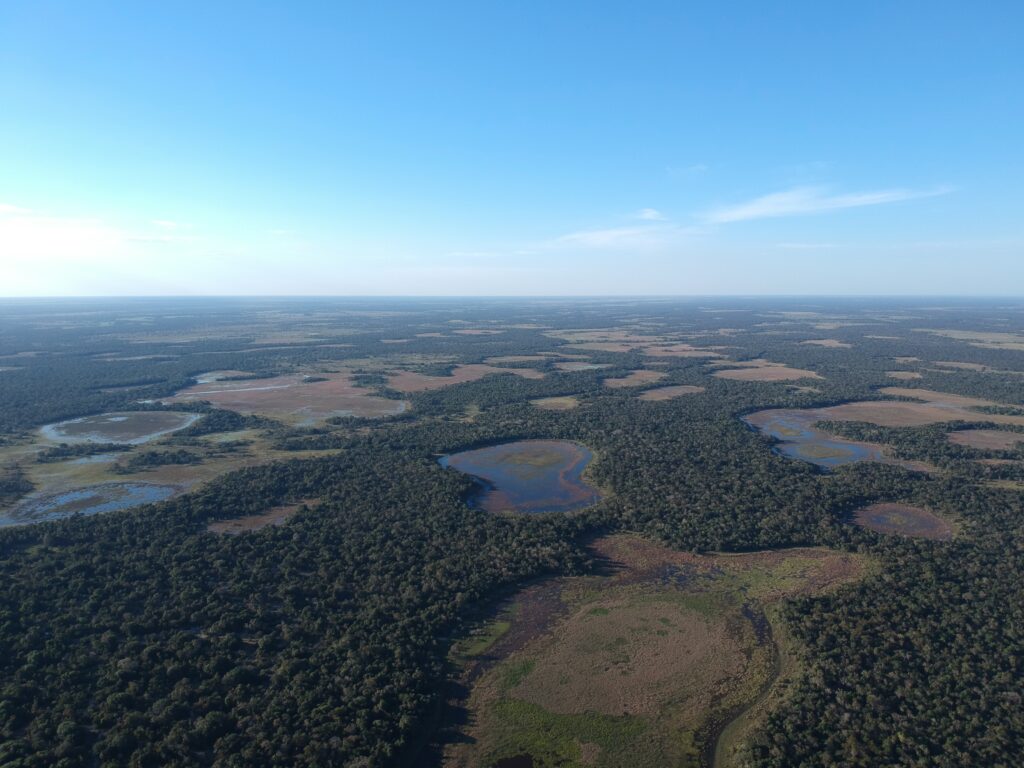
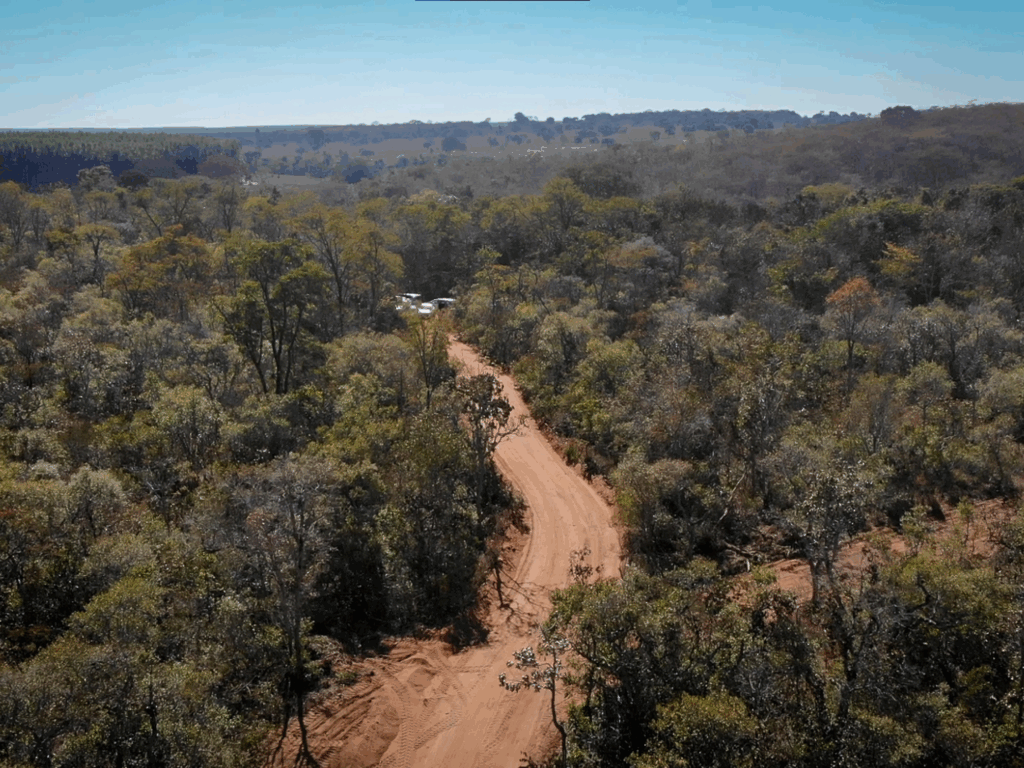
Aerial view of the Nhecolândia Pantanal: study area of the Giant Armadillo Project.
Activities in the Pantanal
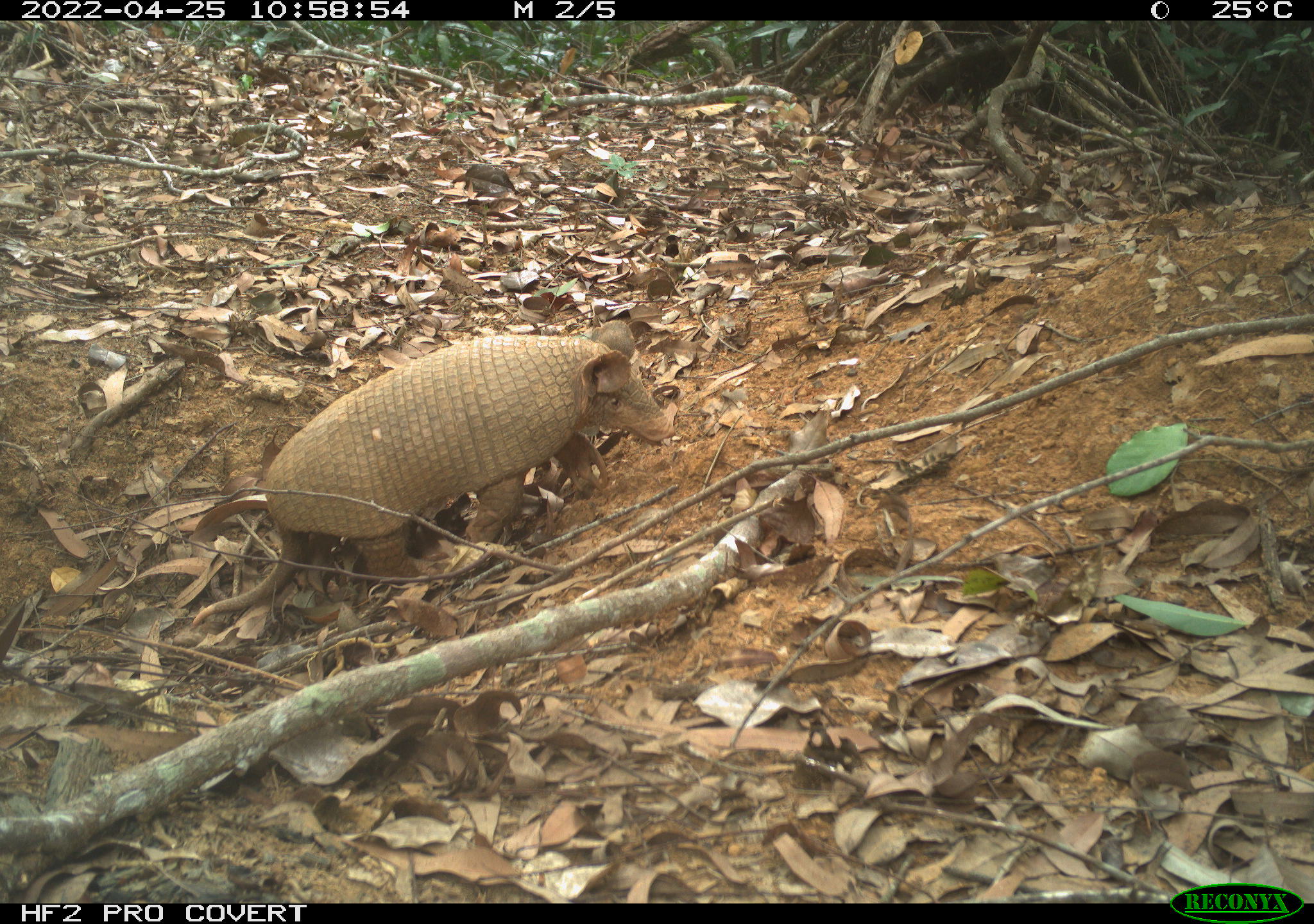
The Giant Armadillo Project in the Pantanal began in 2010 at Fazenda Baía das Pedras (Baía das Pedras Ranch), located in the Nhecolândia subregion of Mato Grosso do Sul (MS, Brazil). The goal was to unravel essential aspects of the ecology, biology, health, genetics, and natural history of the world’s largest armadillo, a rare and previously little-studied species. To this end, the team used and continues to use camera traps and radio transmitters, along with collecting biological material—fundamental methods for understanding the habits, behavior, and health of this unique animal, currently classified as vulnerable on the IUCN (International Union for Conservation of Nature) Red List.
After more than a decade of work, the project has already monitored 44 individuals in the Pantanal, an impressive result for a species as rare as the giant armadillo (Priodontes maximus). Their low population density—estimated at only 7 to 8 individuals per 100 km²—is directly related to their slow reproductive cycle, since females only have one offspring every three to four years.
Each monitored armadillo represents a valuable opportunity to gather information that helps fill important gaps in knowledge about the species’ biology and conservation. This data is crucial not only for protecting the giant armadillo but also for understanding the functioning of the Pantanal ecosystem, where all animals—including humans—play essential roles in the survival of biodiversity. The giant armadillo is one of these protagonists, considered a true ecosystem engineer, digging large burrows that serve as shelter for numerous other species.
In addition to research, the project invests heavily in the development of new professionals, having trained more than 100 interns and volunteers in field techniques, as well as wildlife management and conservation. Another significant milestone was the creation of a community fire brigade in 2021, resulting from a partnership with LTCI-IPÊ and Fazenda Baía das Pedras. This initiative currently integrates 25 rural properties and protects 160,000 hectares of the Pantanal, conducting annual training to address the challenges of the dry season. Protecting the giant armadillo in the Pantanal also means conserving the biome, combining the efforts of communities, rural landowners, the government, and partner institutions.
Activities in the Cerrado
In 2015, the then Giant Armadillo Project became the Giant Armadillo Conservation Program and expanded its activities to the Cerrado of Mato Grosso do Sul. In this region, armadillos had begun to search for food in beehives, mostly due to changes in the environment caused by deforestation and biome fragmentation. This, in turn, led to challenges for beekeepers. As a way to mitigate this impact, the Armadillos and Honey Project was created, evaluating management practices already used by beekeepers and consolidating these strategies into a Best Practices Guide to promote harmonious coexistence with the species.
Since 2022, the program has also been developing initiatives in the Parque Natural Municipal do Pombo (Pombo Municipal Natural Park) in Três Lagoas, Mato Grosso do Sul, in partnership with the Secretaria Municipal de Meio Ambiente e Agronegócio (Municipal Secretariat of Environment and Agribusiness). At the site, 80 camera traps with motion sensors and GPS devices are used to monitor the only known population of giant armadillos under protection in a conservation unit in the region. With over 80 km² of preserved native forest, the park represents an important refuge for Cerrado fauna and offers ideal conditions for the program’s studies.
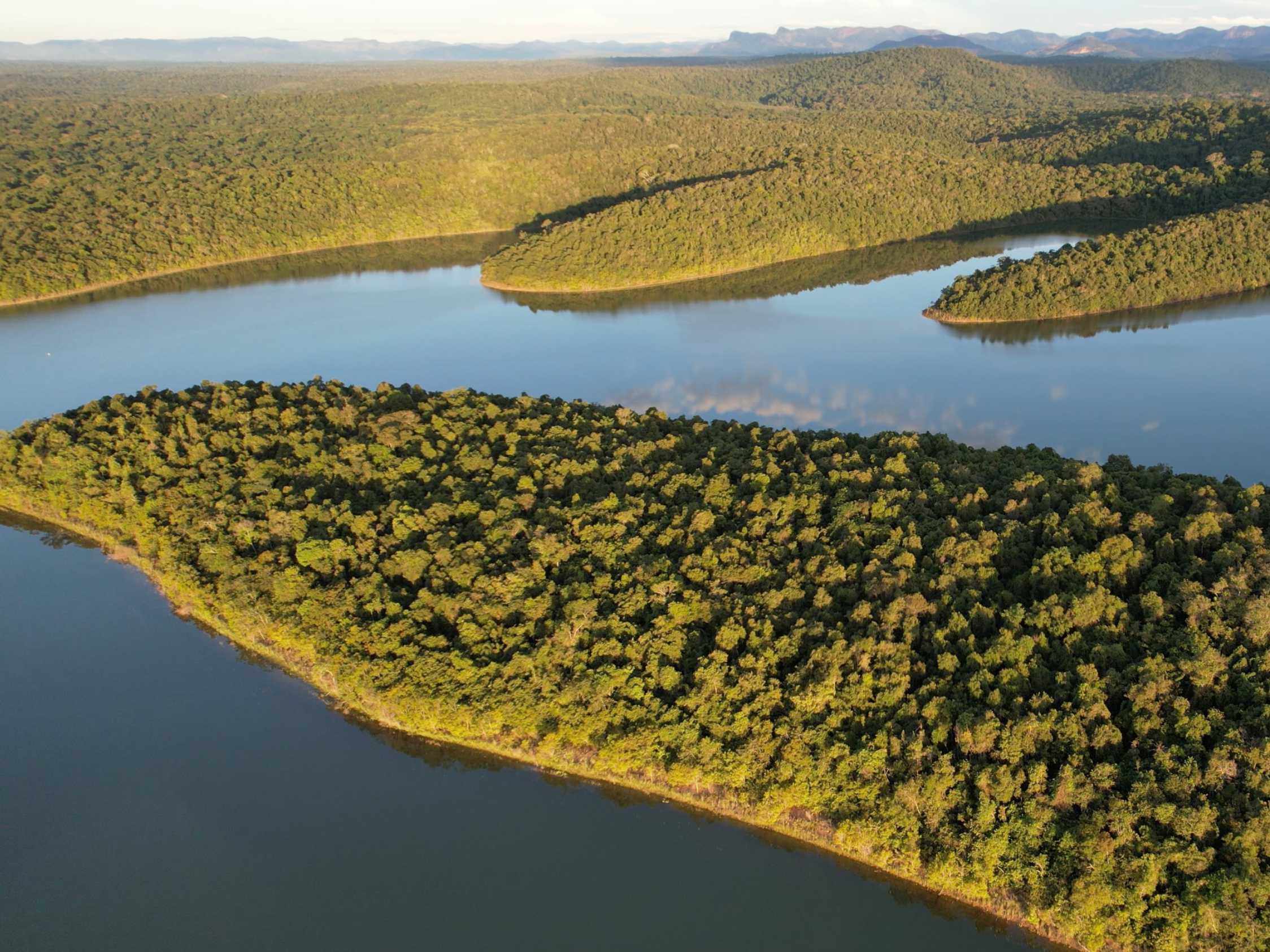
Aerial view of the Pombo Municipal Nature Park, in the Cerrado of Mato Grosso do Sul.
Some armadillos have already been captured in the area and, since then, have been monitored using GPS technology, in addition to continuous recordings obtained through camera traps. This monitoring provides valuable information on the species’ movements and habits, as well as the areas it uses, which is essential for outlining conservation strategies. The program’s partnership with the Prefeitura de Três Lagoas (Três Lagoas City Hall) and park administration strengthens local environmental policies, helps identify priority areas for the creation of wildlife corridors, and reinforces that conserving the giant armadillo in the Cerrado also means protecting all the natural wealth that sustains this biome.
The Rio Doce State Park has more than 40 lakes within its territory.
Activities in the Atlantic Forest
In the Atlantic Forest, the Giant Armadillo Conservation Program team focuses its efforts on Rio Doce State Park (PERD), the largest continuous area of native forest in Minas Gerais, Brazil, covering almost 36,000 hectares. Since 2020, more than 700 images of the species have been recorded by camera traps throughout the park, allowing the identification of 40 individuals to date. PERD is considered strategic because it shelters what may be the last viable population of the giant armadillo in the biome, reinforcing its importance as a refuge for this and other endangered species.
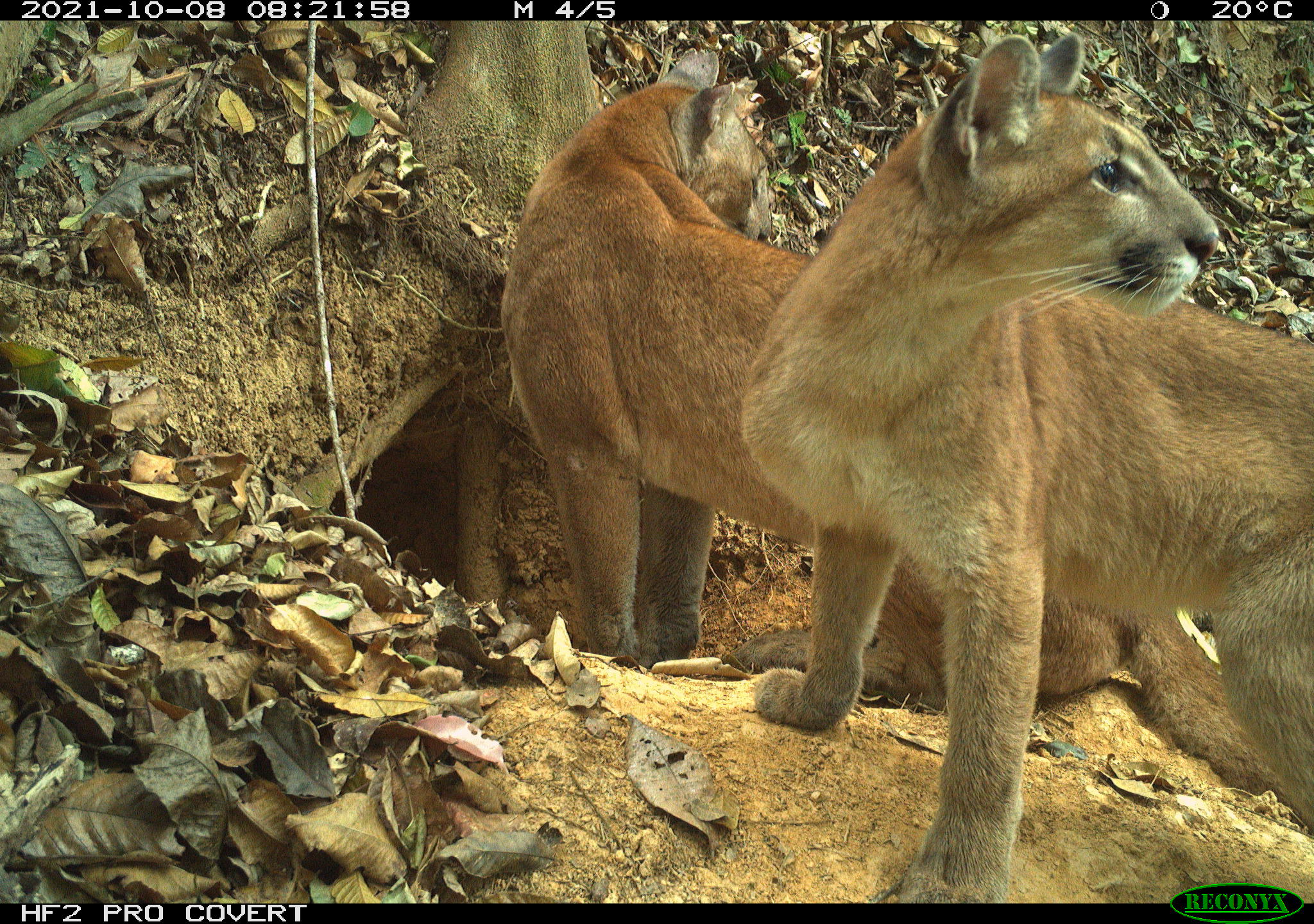
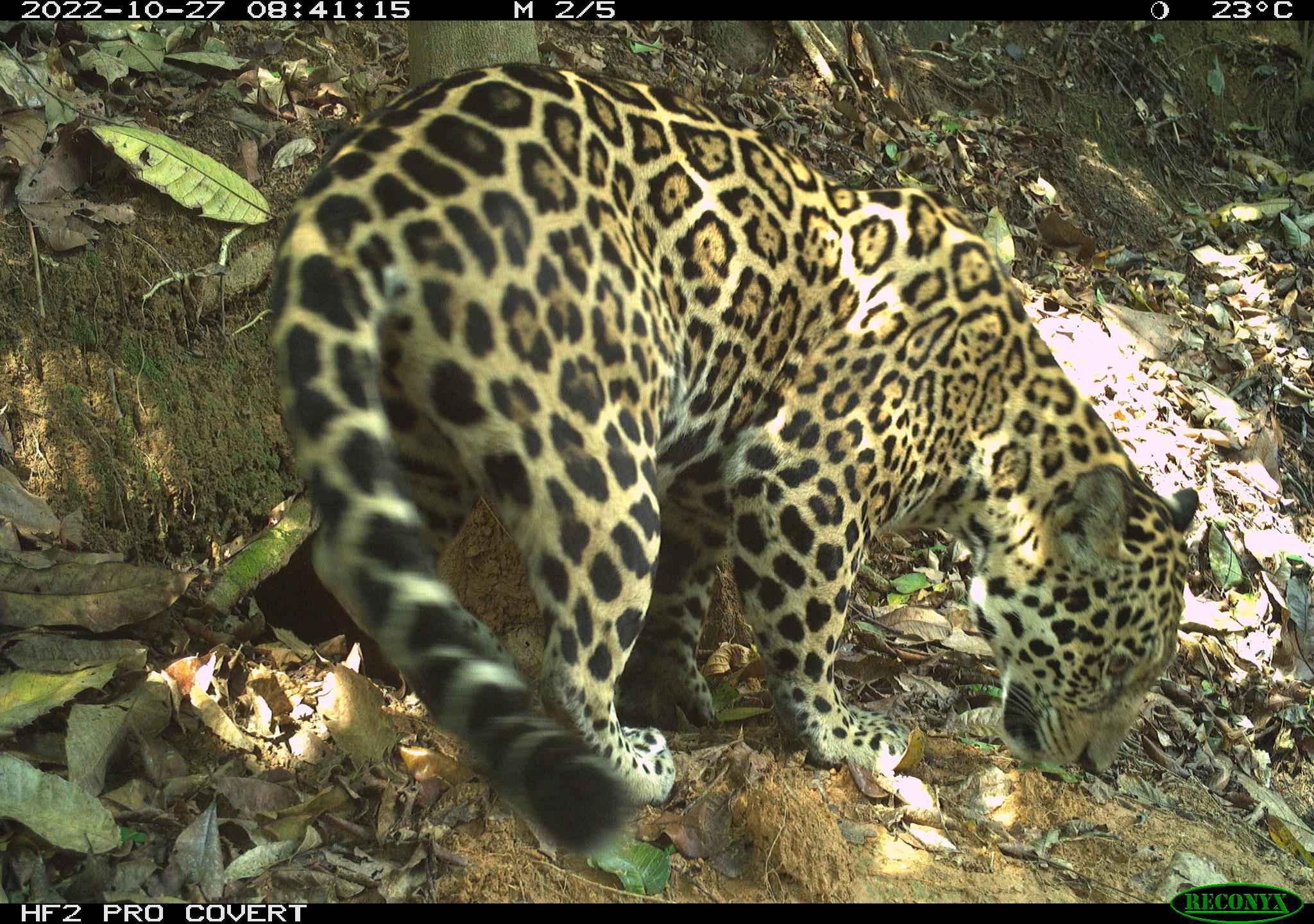
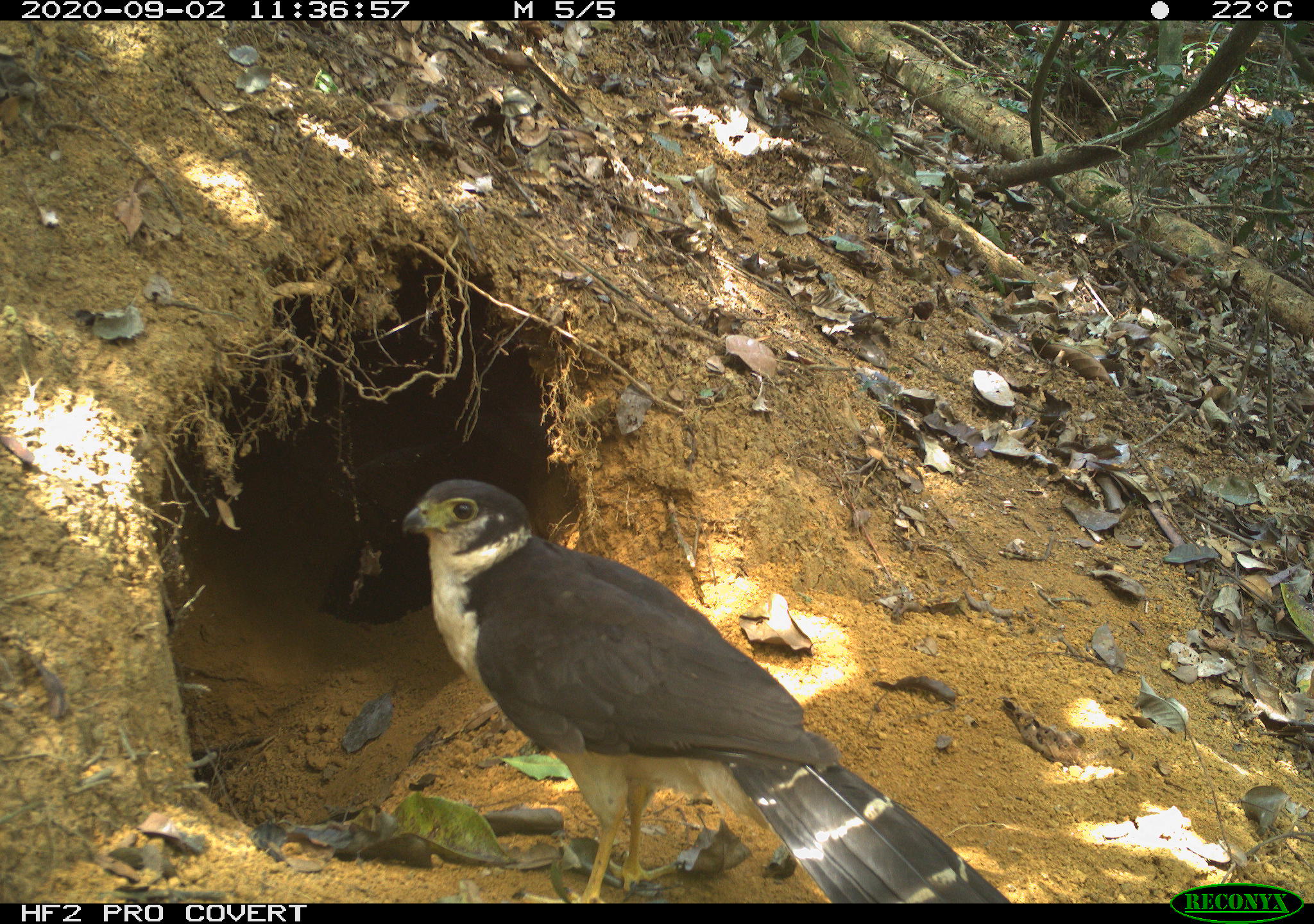
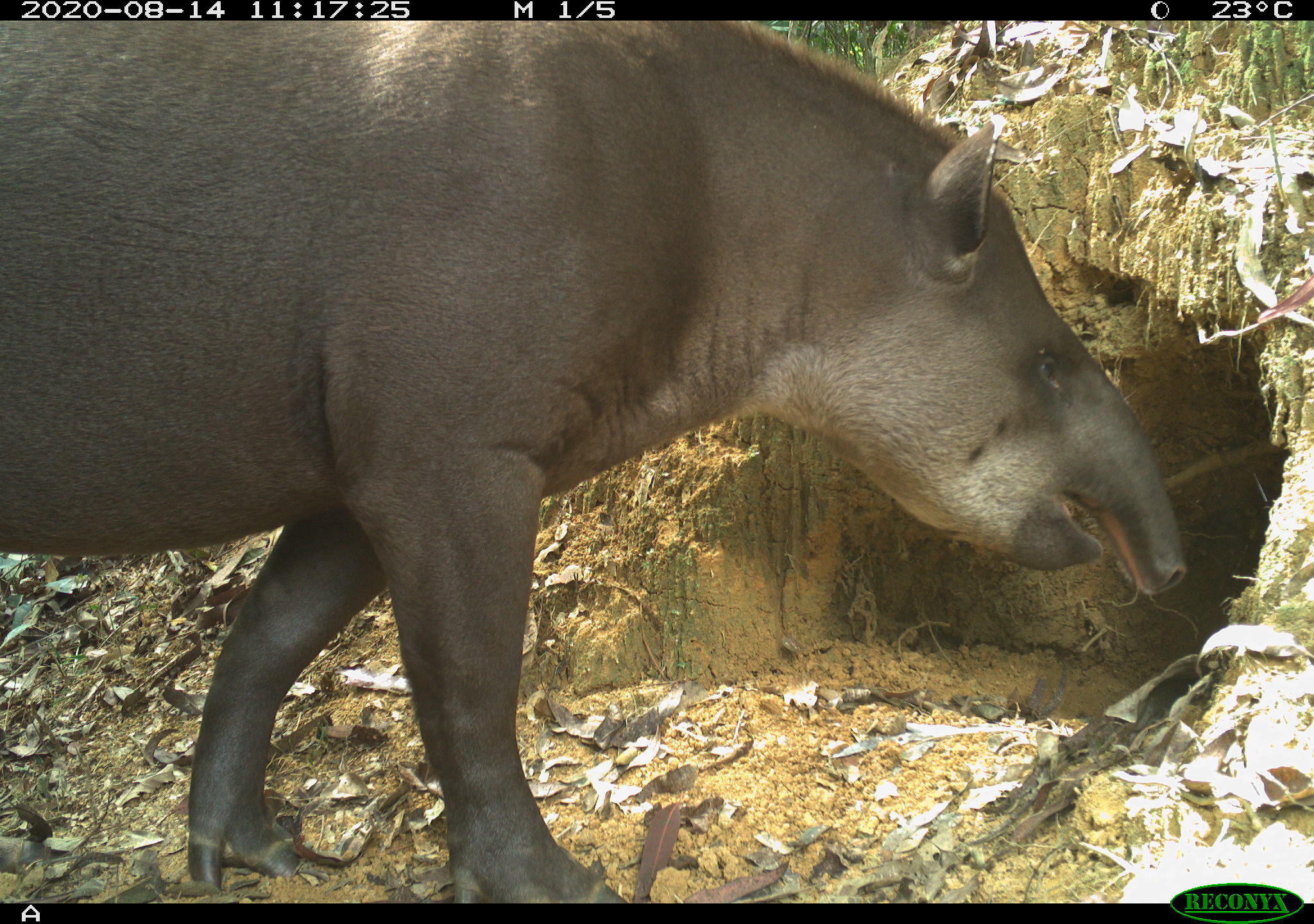
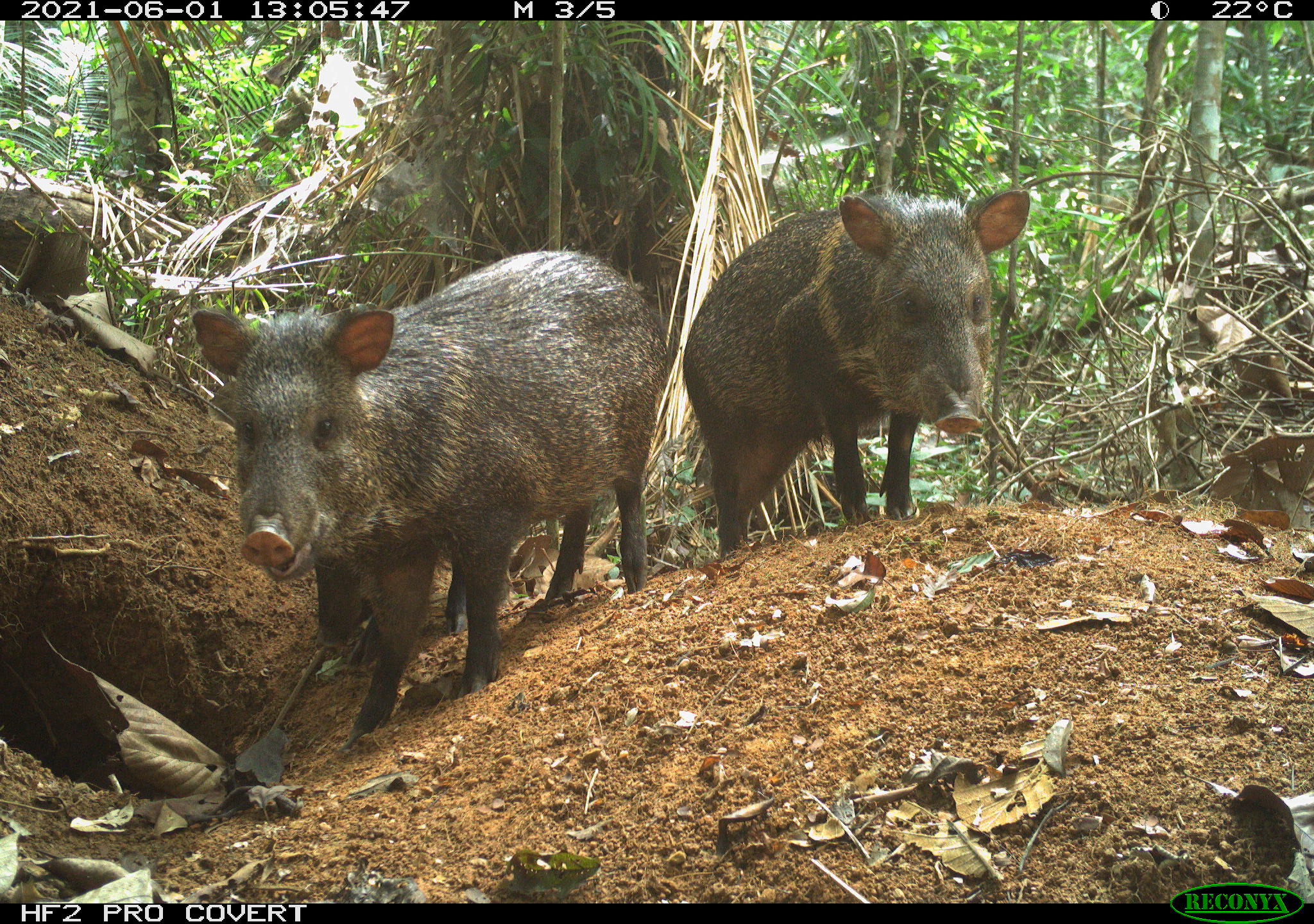
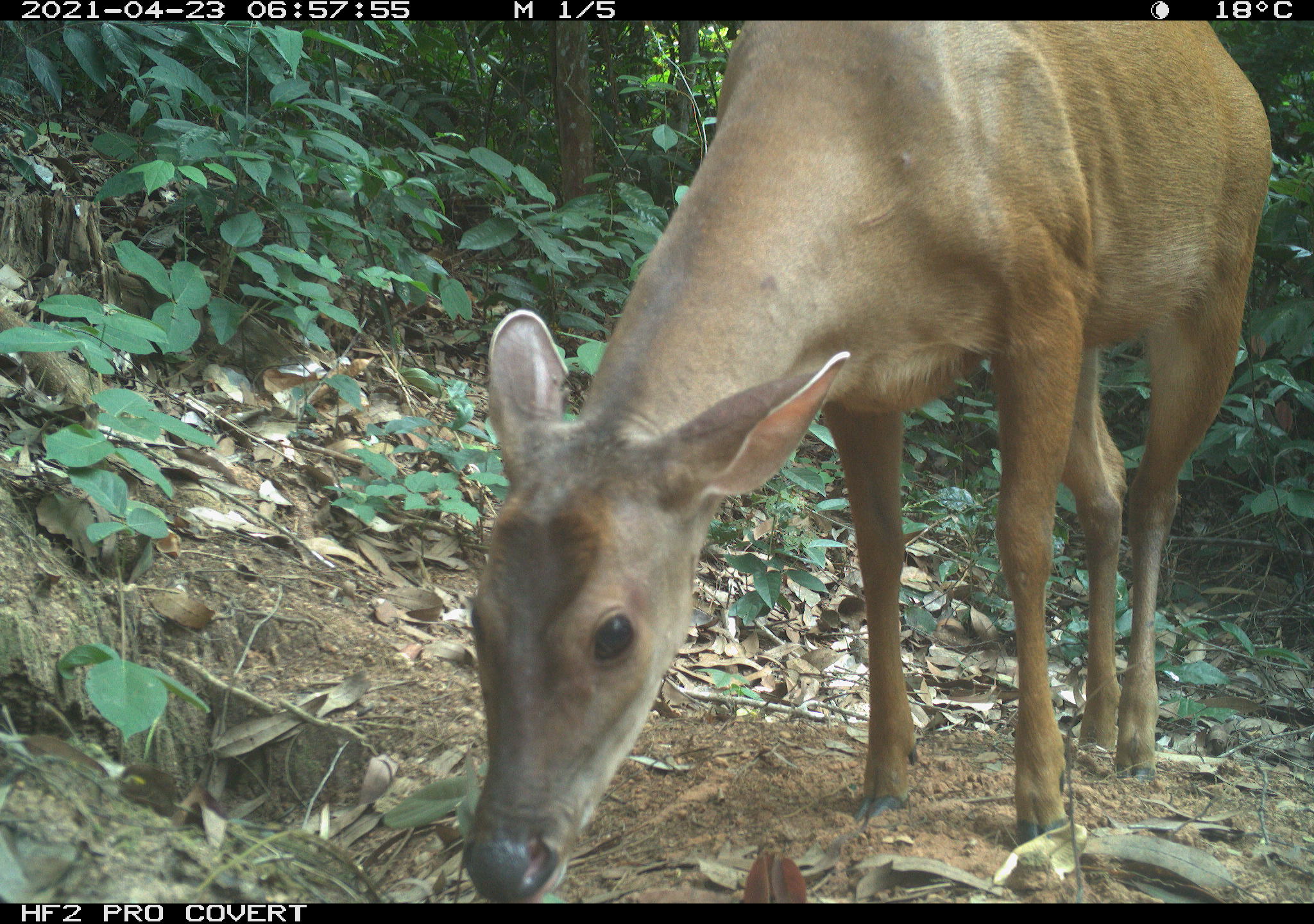
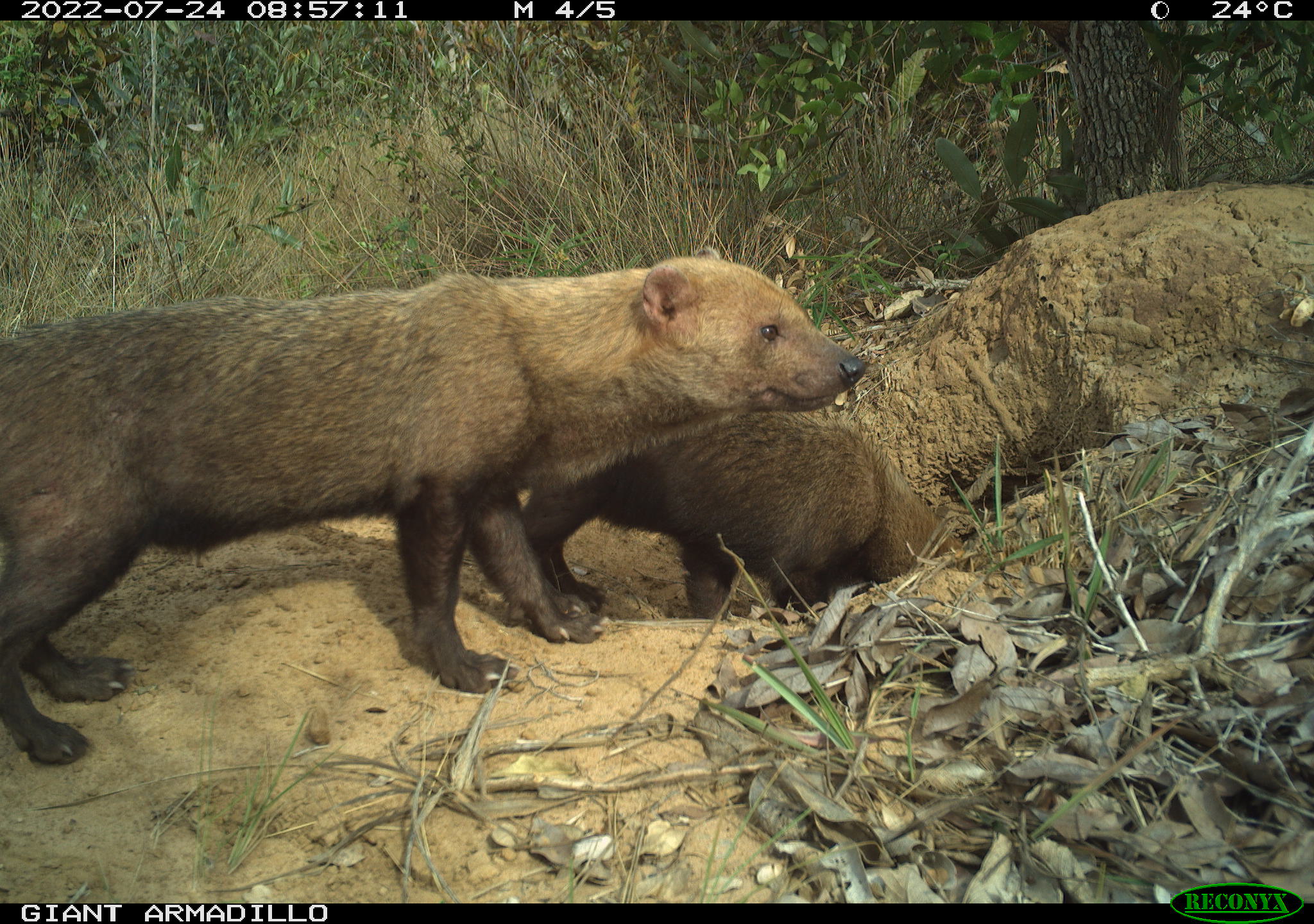
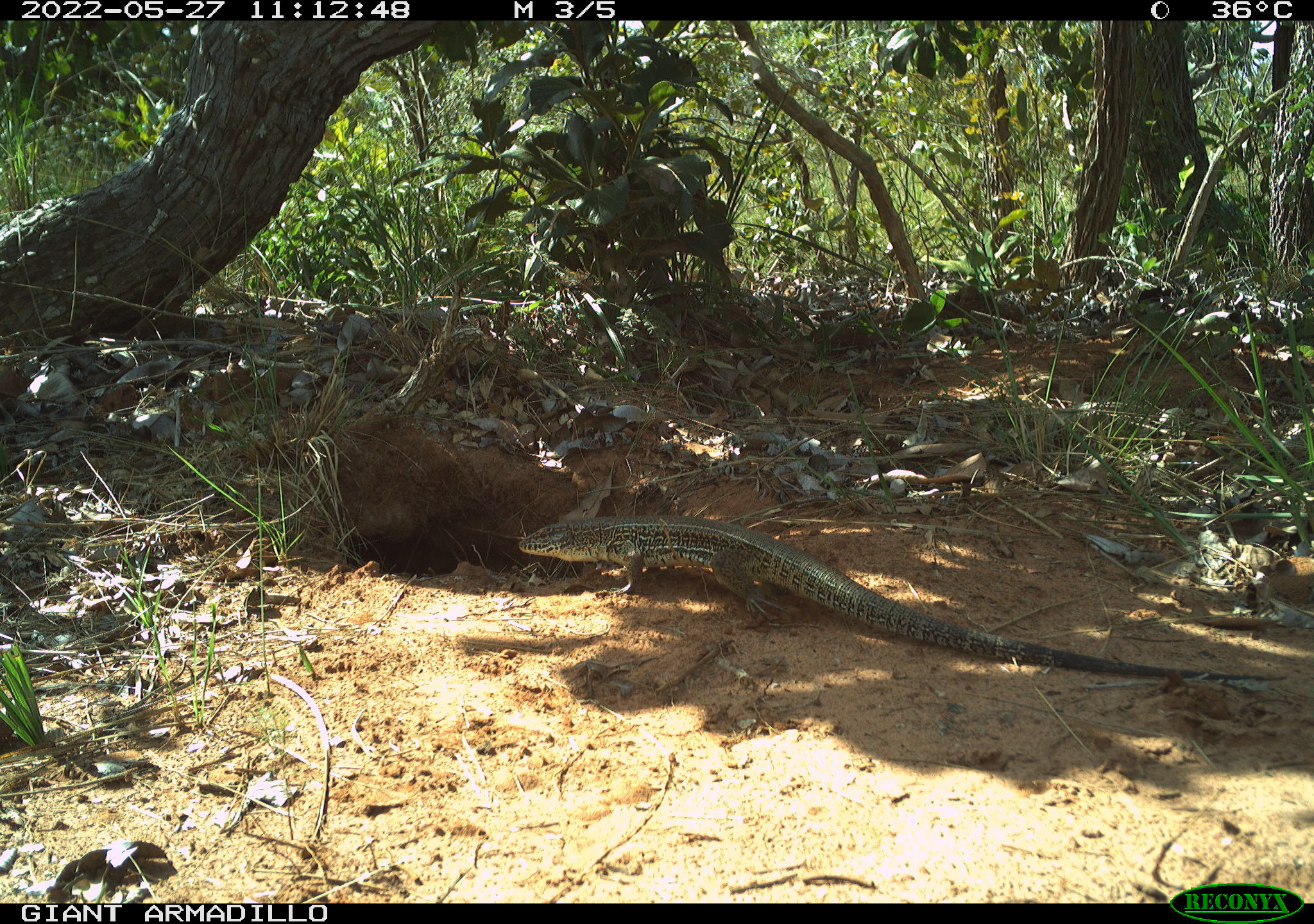
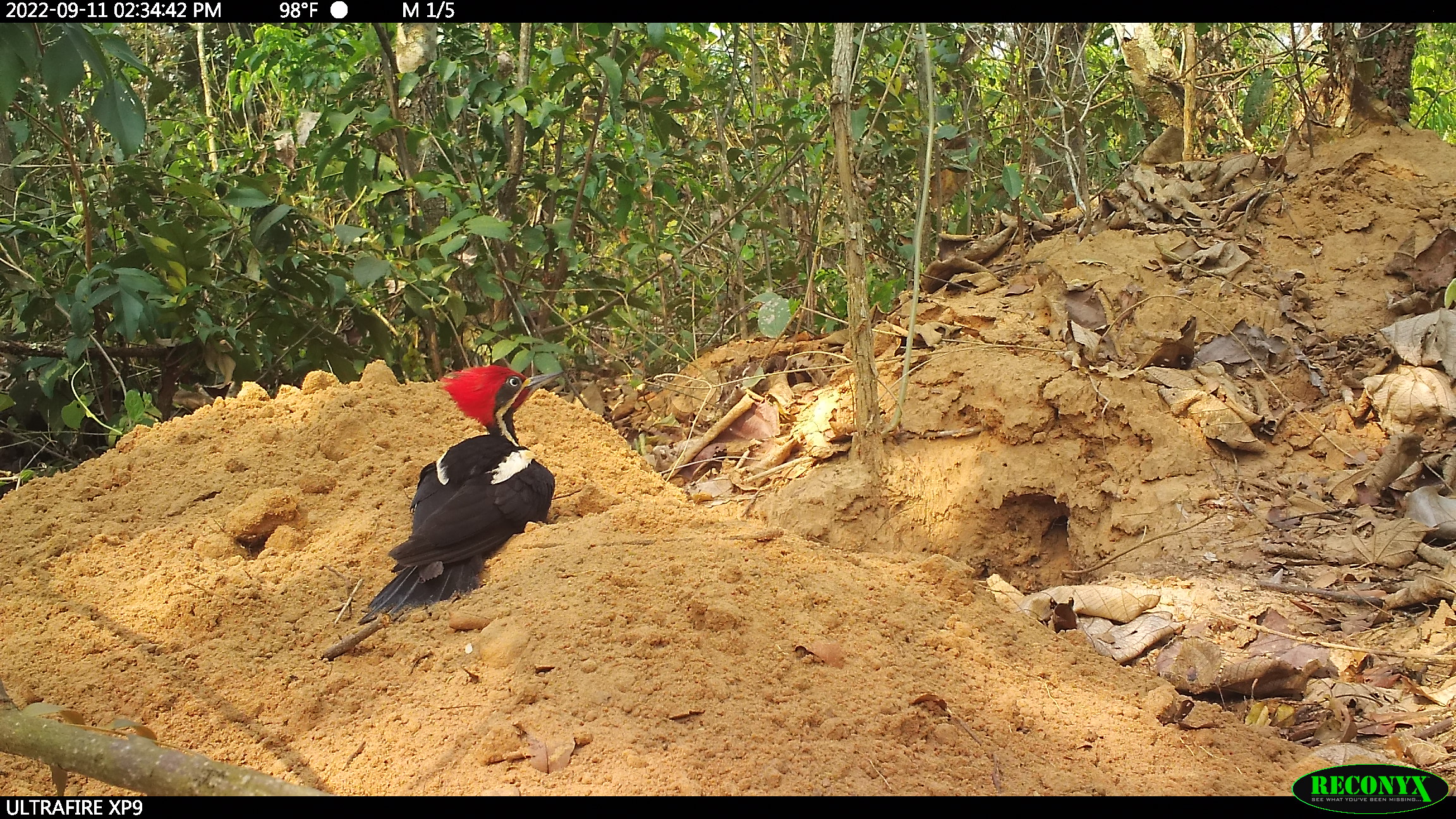
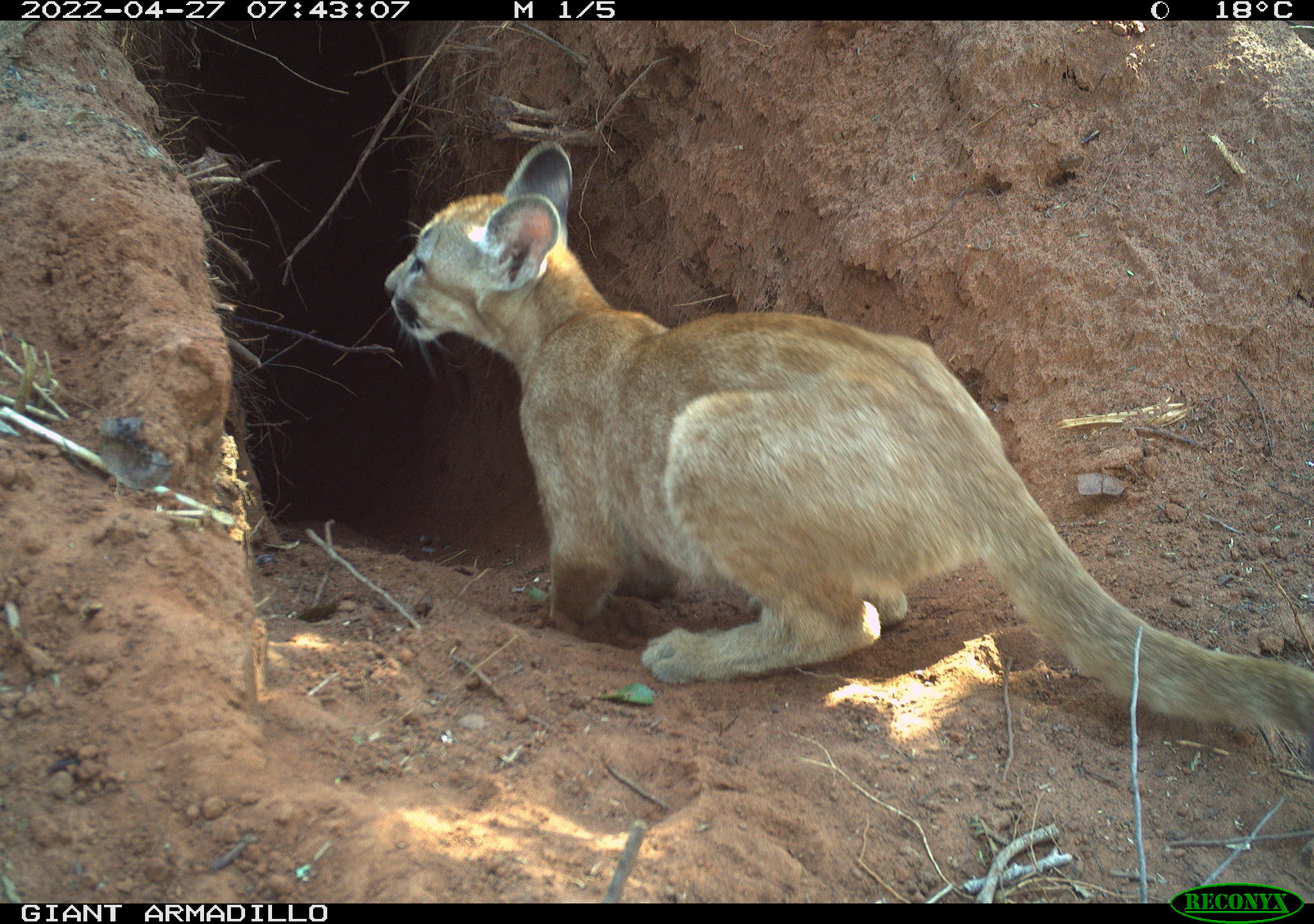
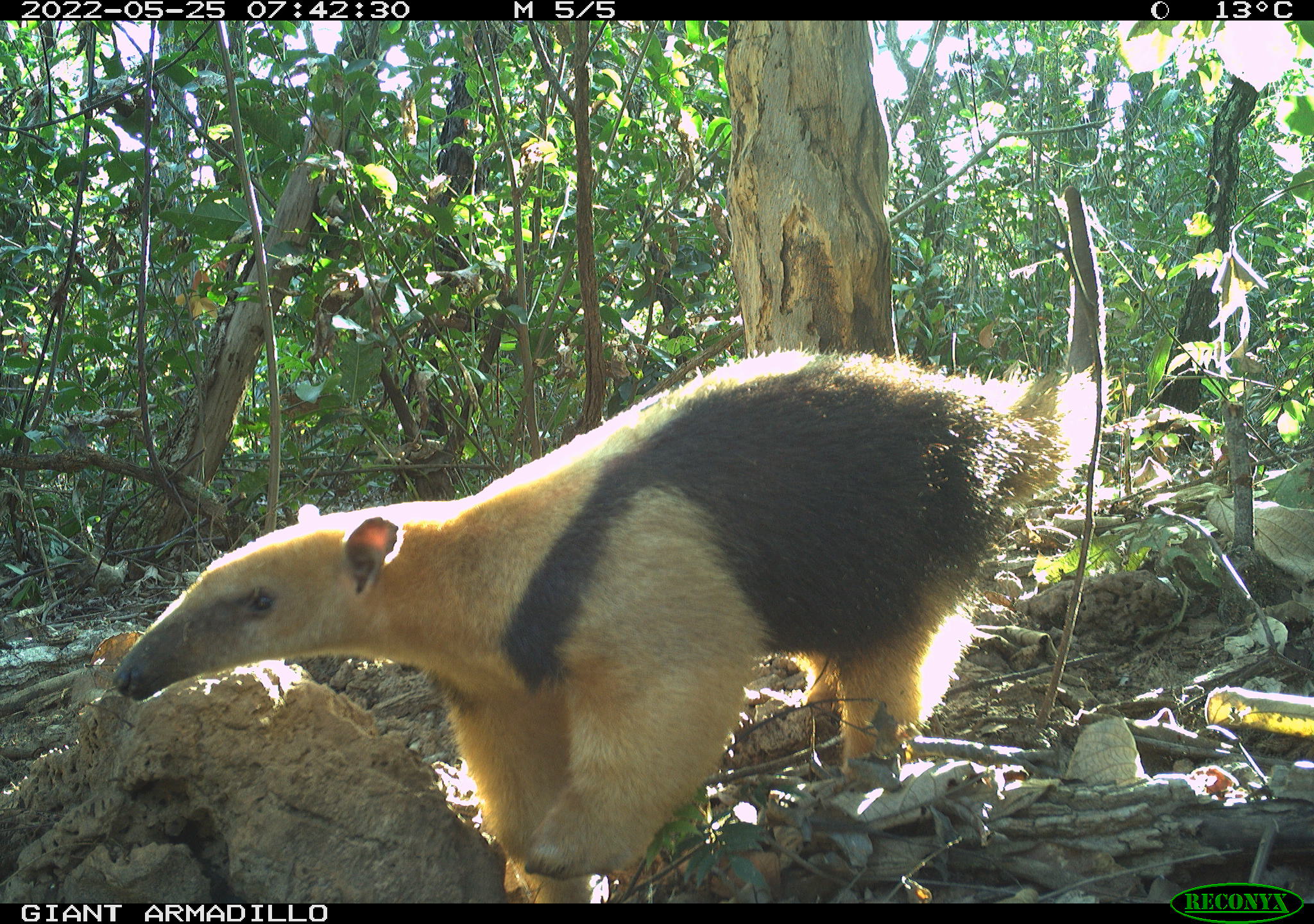
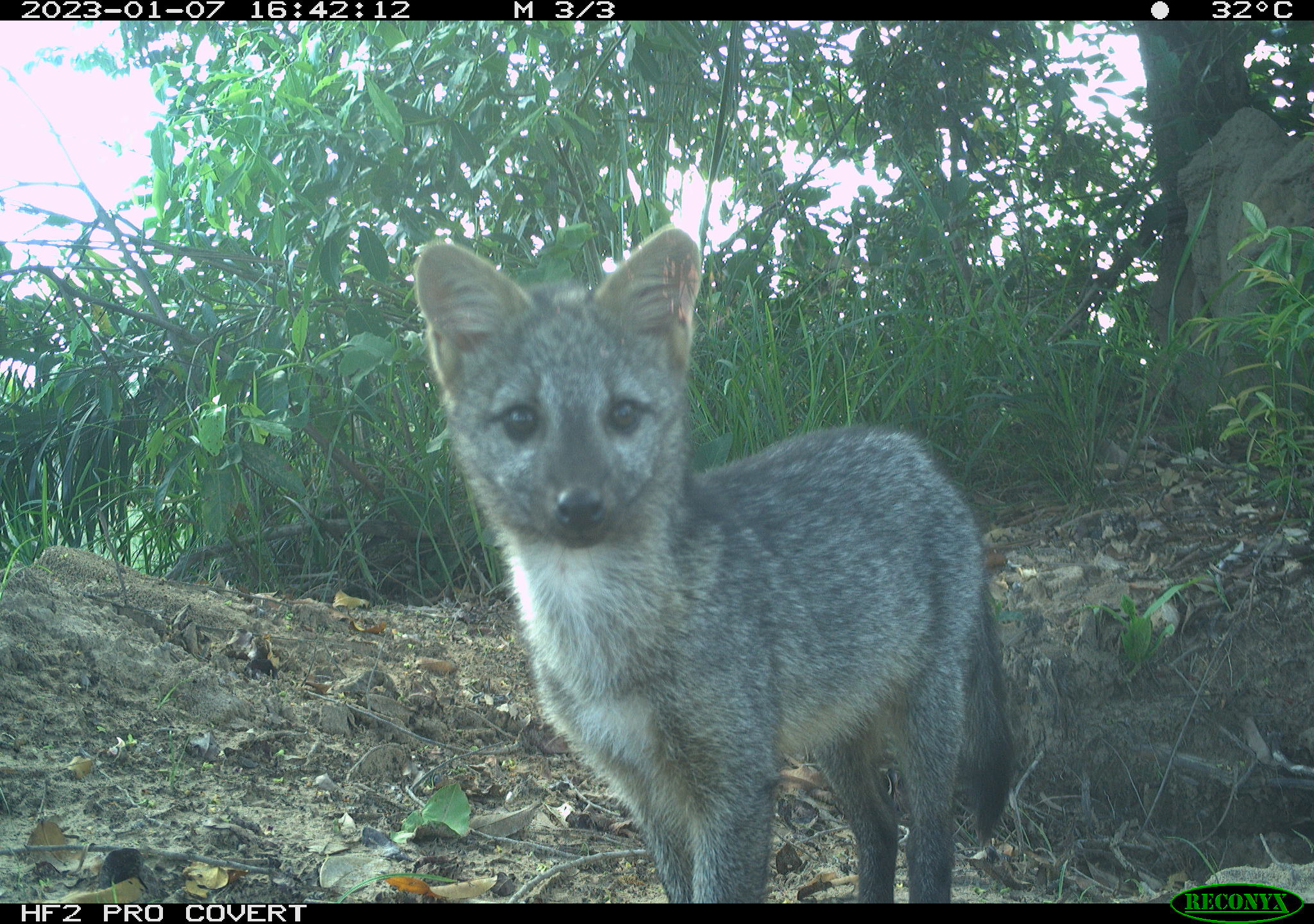
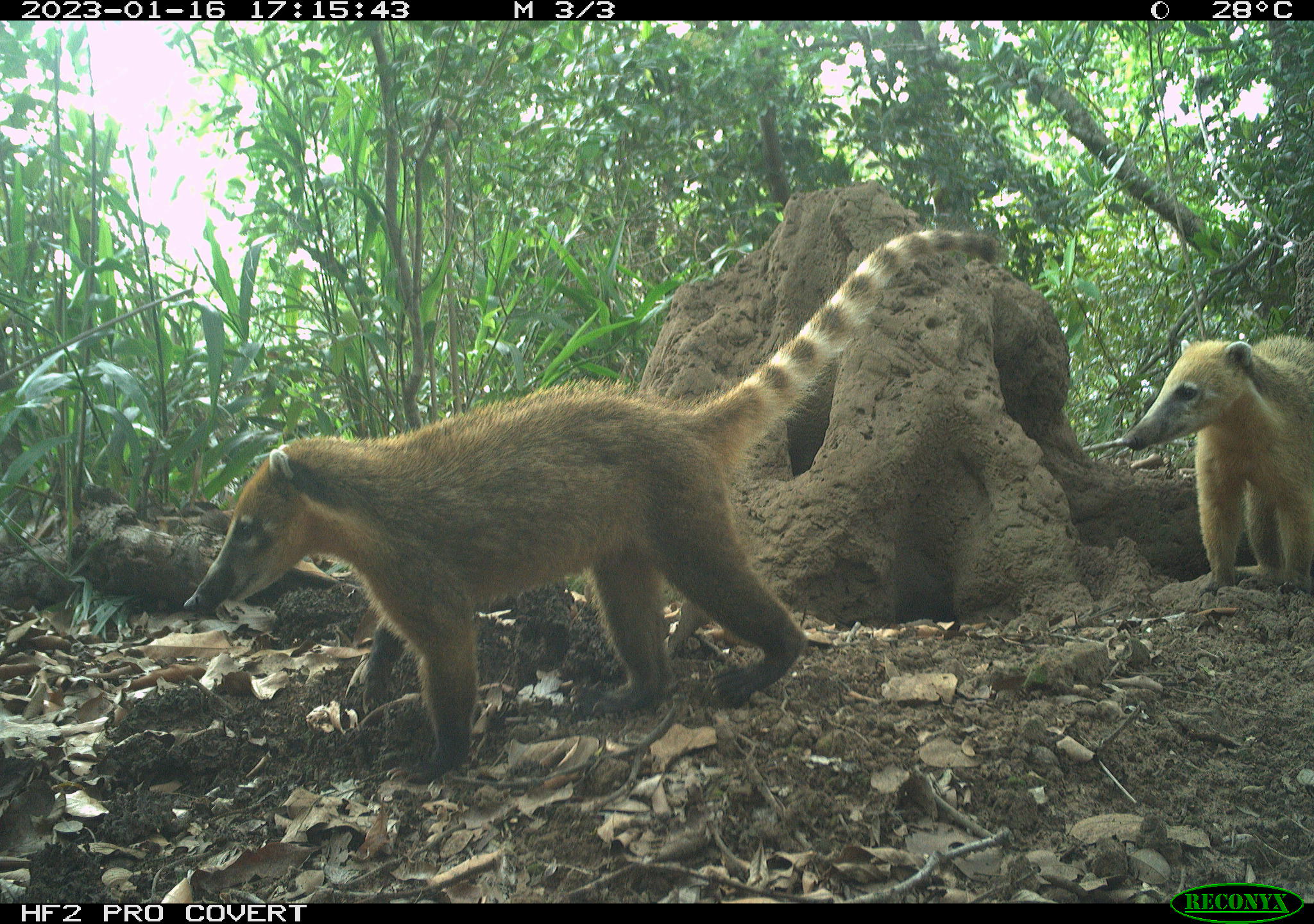
Monitoring includes biweekly visits and the use of 80 camera traps triggered by motion sensors, allowing detailed monitoring of fauna. In addition to the giant armadillo, approximately 80 other species have been recorded interacting with the armadillo’s burrows, reinforcing the animal’s role as an environmental engineer, a role it also plays in other biomes.
Studies at PERD help us understand the threats faced by the giant armadillo, threats which have already compromised populations of the species in areas of the state of Espírito Santo. Given this scenario, work in the park seeks to generate data that guide public policies and conservation actions to prevent potential population declines from becoming irreversible. The goal now is to extend research to forest fragments surrounding PERD to confirm the presence of the species and develop strategies that are even more effective. Conserving the giant armadillo in the Atlantic Forest means, above all, protecting the biodiversity of one of Brazil’s most threatened biomes.
ARMADILLOS AND HONEY PROJECT
Promoting coexistence between beekeepers and giant armadillos
The Armadillos and Honey Project began in 2015, initially as a complement to research mapping the occurrence of the giant armadillo in the Cerrado region of Mato Grosso do Sul. During fieldwork, wildlife specialists interacted with over a thousand rural producers to gain access to private lands. In the process, they identified an unexpected conflict: giant armadillos, an endangered species, had begun knocking down hives in search of bee larvae.
The giant armadillo feeds most frequently on termites and ants, but may resort to bee larvae when readily available, especially when their natural food supply is scarce in Cerrado fragments. A problem arises then because beekeepers install their hives precisely in areas of native vegetation, which are also essential habitat for giant armadillos. With the advance of deforestation and the reduction of the natural food supply, the giant armadillo has been resorting to beehives, causing significant losses in the production of honey and honey-derived products.
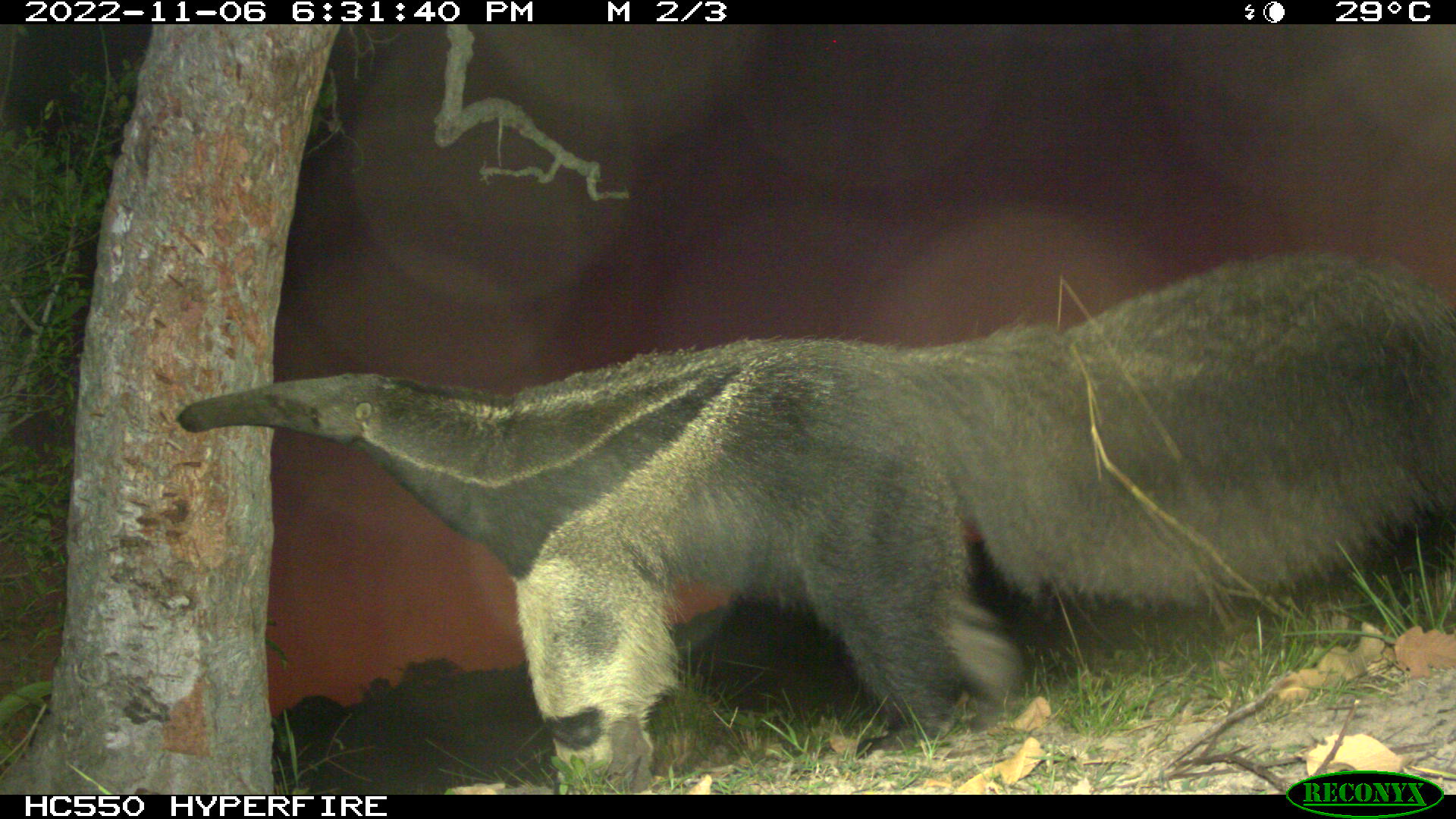
The giant armadillo (Priodontes maximus) is unique to South America and can be found in the Pantanal, Amazon, and Cerrado biomes, as well as in remaining areas of the Atlantic Forest. The species measures approximately 1.5 meters in length and can weigh up to 50 kilograms. Discreet and nocturnal, it spends much of its time digging deep burrows, which can reach 5 meters in length and 1.5 meters in depth.
The giant armadillo reproduces extremely slowly: the animal only reaches sexual maturity between 7 and 9 years of age. From then on, the female has a gestation period of approximately five months, producing just one offspring every three to four years. This rather long reproductive cycle makes the species especially vulnerable to environmental pressures. Additionally, the burrows abandoned by the giant armadillo become veritable refuges, used by more than 100 species of vertebrates and approximately 300 species of invertebrates, playing a crucial role in the balance of ecosystems.
Despite its ecological significance, the giant armadillo is threatened with extinction, primarily due to the loss and fragmentation of its habitats. Conservation of the species is therefore essential not only for its own survival but also for maintaining the complexity and diversity of the environments where it lives.