
The ICAS — Wild Animal Conservation Institute — is a non-governmental organization (NGO) dedicated to biodiversity conservation. It seeks to generate science-based knowledge to foster dialogue, influence decisions, and develop solutions and strategies that promote harmonious coexistence between humans and wildlife.
Human Dimensions and Coexistence constitute one of the essential pillars of the Wild Animal Conservation Institute (ICAS), recognizing that biodiversity conservation goes far beyond simply protecting species and their habitats. The success of conservation efforts fundamentally depends on the understanding and involvement of the people who share the land with wildlife. That is why ICAS invests in studies and strategies that explore the complex interactions between humans and wildlife, aiming to reduce conflicts, promote more sustainable behaviors, and foster harmonious coexistence.
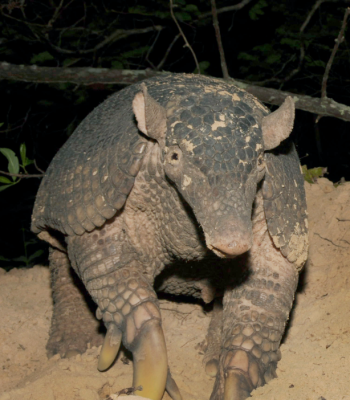
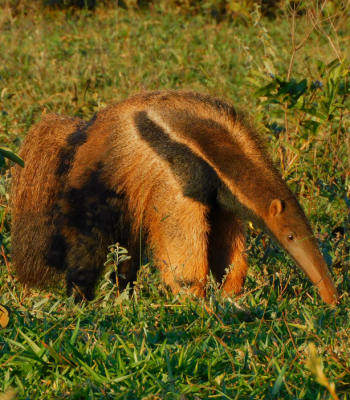
Under the leadership of biologist and researcher Mariana Catapani, a specialist in the Human Dimensions of Conservation, ICAS adopts a holistic approach that connects a variety of disciplines and types of knowledge. Combining robust scientific knowledge with human narratives, the institute integrates interdisciplinary perspectives to understand the social, cultural, and psychological roots of interactions between people, wildlife, and ecosystems. Furthermore, ICAS seeks to include diverse social stakeholders in its initiatives, ensuring representation, engagement, and influence in the conservation decision-making process. This inclusive stance strengthens the creation of innovative solutions that aim to reduce the negative impacts of interactions, promoting real benefits for communities and endangered species, such as the giant anteater and the giant armadillo.
Within this perspective, ICAS pays special attention to the interplay between road infrastructure, people, and wildlife through the Anteaters and Highways Project. This initiative applies a Human Dimensions and Coexistence approach to understand and mitigate collisions between vehicles and animals, promoting safer roads for all. The project has already investigated psychological factors that influence drivers’ decision-making when encountering animals on the road and improved wildlife crossing signage through a transdisciplinary methodology that includes research, the co-design of solutions, and collective participation. Additionally, the project mapped the different actors involved in mitigating these accidents, identifying barriers and opportunities, as well as establishing a participatory network between civil society and local authorities to monitor and demand the implementation of effective measures.
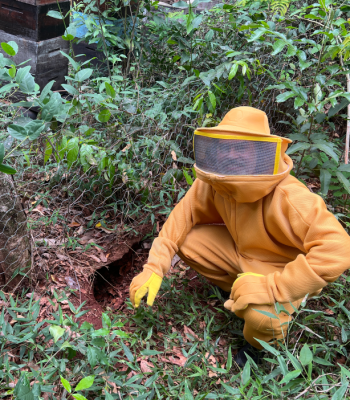
Another significant ICAS initiative in the field of Human Dimensions and Coexistence is the Armadillos and HoneyProject, developed in partnership with beekeepers who experience losses when giant armadillos invade their apiaries in search of food. ICAS works with these producers to implement practical solutions, such as fencing or installing beehives on elevated structures, protecting both honey production and wildlife, as well as fostering practices that promote better coexistence. These actions are part of an integrated and innovative approach that seeks to solve concrete problems, ensuring that conservation strategies are ecologically effective and socially just.
This approach, which integrates different types of knowledge, listens to diverse voices, and seeks shared solutions, is now present in all ICAS initiatives, consolidating Human Dimensions as the ethical basis for biodiversity conservation.
One Health is one of the pillars of the Wild Animal Conservation Institute (ICAS), operating under the premise that the health of wildlife, domestic animals, and human communities is interconnected. The initiative promotes an integrated health approach, combining science, conservation, and the well-being of people and communities living in the Institute’s research areas.
Led by veterinarian and researcher Danilo Kluyber, this initiative expands the scope of ICAS’s actions—traditionally focused on conserving the giant armadillo and the giant anteater—to also include the monitoring of the health of domestic animals and human populations that share the same territory. The goal is to build a detailed picture of health conditions in the regions where ICAS operates, identify priorities, and plan effective interventions, such as creating a unified vaccination calendar in partnership with municipalities, private organizations, and non-governmental institutions.
An innovative aspect of this work is the giant armadillo’s role as an ecosystem health indicator. ICAS studies have revealed that more than 100 species directly or indirectly use the burrows dug by this animal, making it an important source of data on local biodiversity. By monitoring the health of giant armadillos, researchers can obtain valuable information about other species sharing their habitat, offering a comprehensive view of environmental conditions.
To date, biological samples have been collected from giant armadillos in the Cerrado and Pantanal, as well as from dogs and humans living in the same regions. Teams composed of doctors and nurses conduct clinical examinations and apply questionnaires to identify possible diseases or health conditions among local communities. The initiative relies on key support from partners such as the municipalities of Aquidauana and Três Lagoas, which collaborate on public health efforts including vaccination and rapid testing. Rural properties such as Fazenda Primavera and Baía das Pedrasalso provide logistical support for the field activities scheduled for the second half of August.
The One Health concept, which integrates multiple fields of knowledge to promote ecosystem-wide health, guides all project actions. The information generated contributes to setting priorities in public health and conservation, creating benefits both for biodiversity and for the human communities living in these regions. The success of the initiative results from the joint work of public institutions, rural landowners, and local communities, reinforcing ICAS’s commitment to an integrated and sustainable approach to protecting wildlife and human well-being.
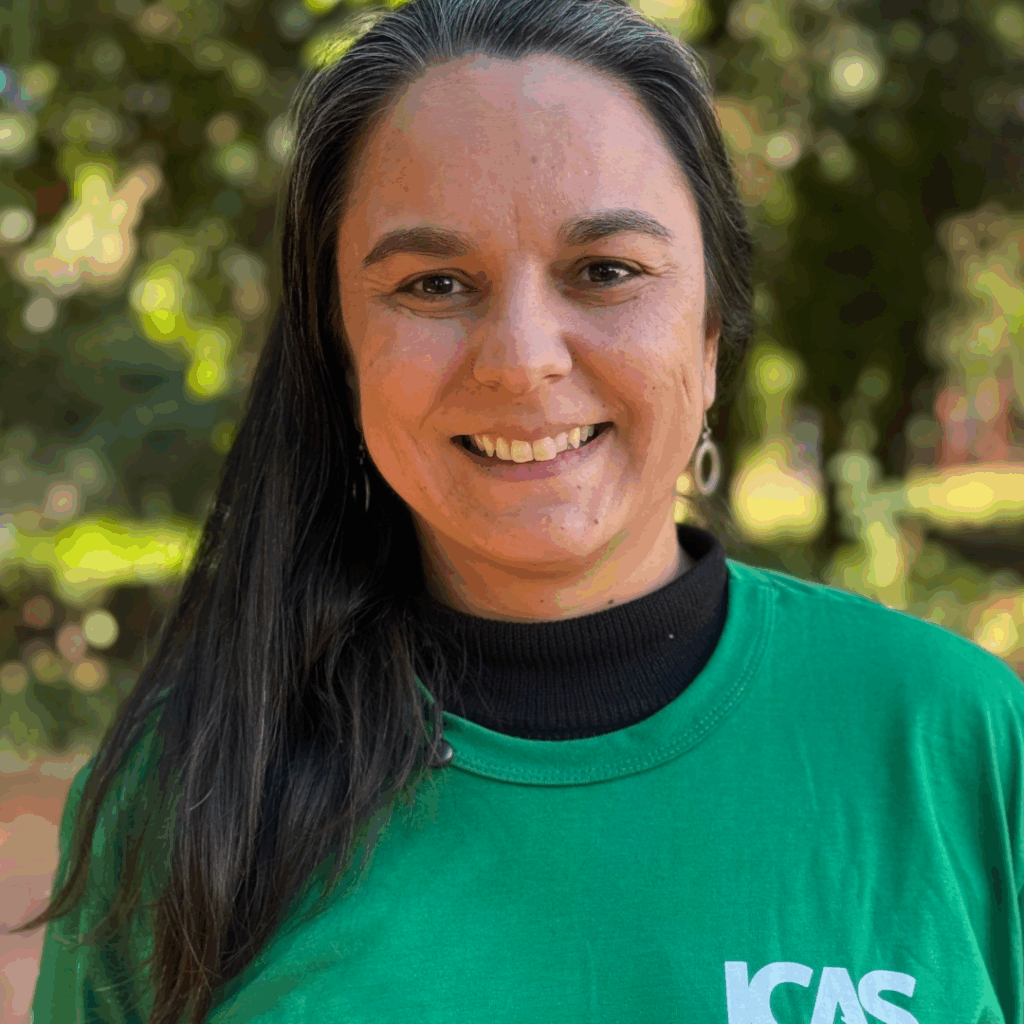
Biologist with a Master’s degree in Ecology and Conservation (UFMS, 2010) and a Ph.D. in Animal Biology (UNESP, 2018). She works as a researcher at the Laboratory of Image Processing and Geoprocessing (LAPIG/UFG) within the Pasture Research Program. She coordinates the Babies Project, developed in partnership with the Bandeiras e Rodovias Project of ICAS – Wild Animal Conservation Institute, which investigates roadkill occurrences and the impact of parental loss on orphaned giant anteater pups, focusing on the conservation and management of the species. Since 2019, she has contributed to the National Action Plan for the Giant Anteater, Giant Armadillo, and Three-banded Armadillo (ICMBio). She is a collaborating professor in the Graduate Program in Ecology and Evolution at UFG and has experience in research, teaching, and ecotourism. Her main interests include biodiversity conservation and monitoring, ecology, and animal behavior.
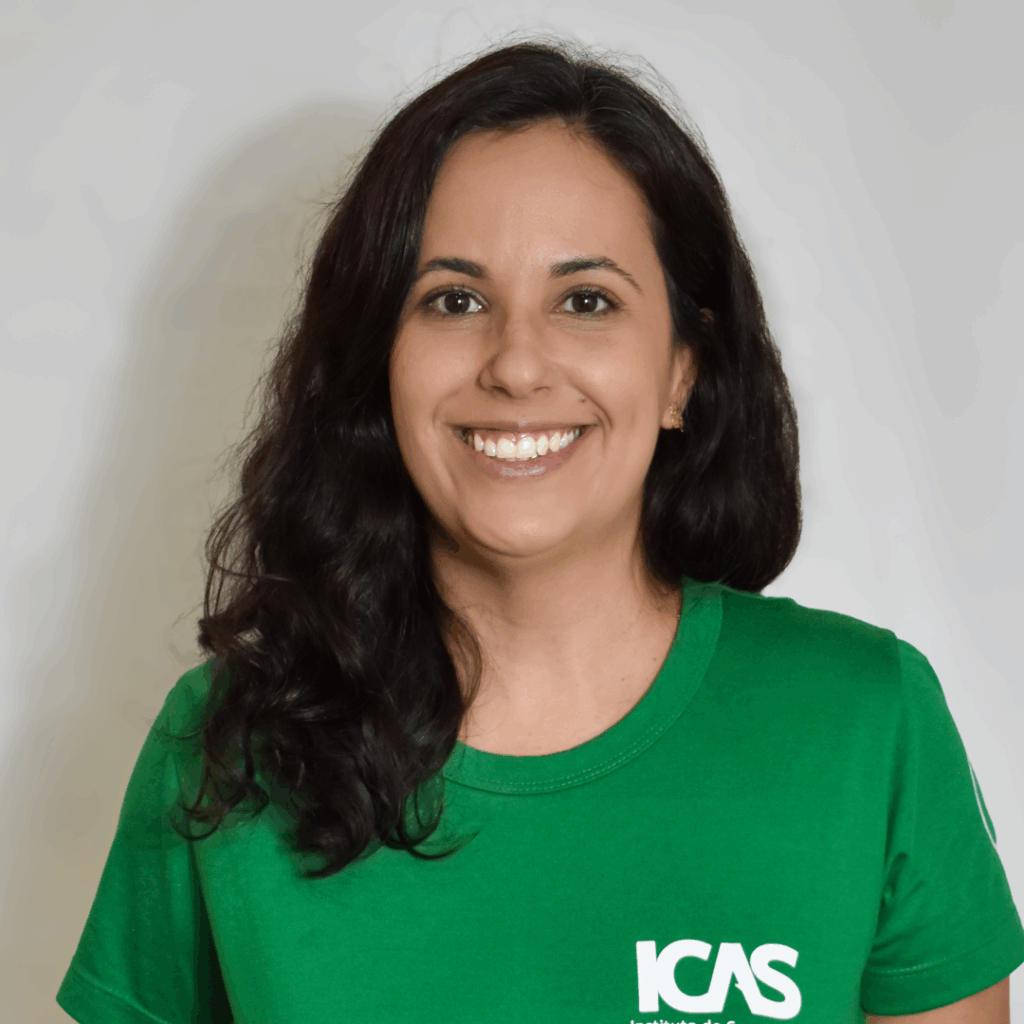
Holds a degree in Biological Sciences (Teaching License) from the Federal University of São Carlos (UFSCar). She earned both her Master’s in Ecology and Natural Resources and her Ph.D. in Sciences from UFSCar’s Graduate Program in Ecology and Natural Resources (PPG-ERN), with a focus on Environmental Education.
Professional experience: Since 2009, she has worked as an educator and coordinator of environmental education projects and training courses at Escola da Floresta, located at Sítio São João (São Carlos/SP). She is also a co-founder and educator at Fubá Educação Ambiental e Criatividade since 2015. Since 2018, she has been the educator responsible for implementing the Education and Communication Action Plan at the Wild Animal Conservation Institute (ICAS).
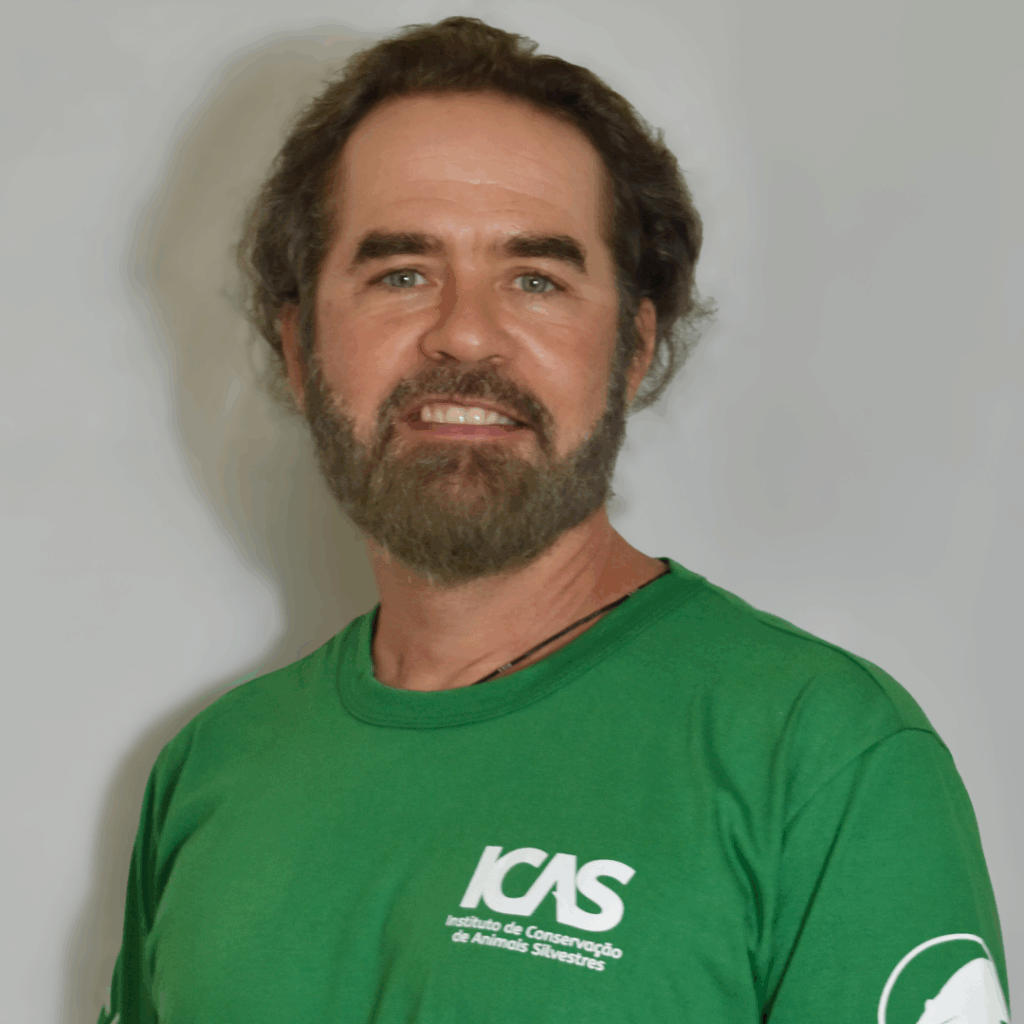
He works in the fields of Conservation Biology, species research and ecology, and the use of natural resources. He has lived and worked in Belize, Argentina, Bolivia, and Nepal, and has been based in Brazil for the past 20 years. In 2002, he moved to Mato Grosso do Sul, where he founded the NGO ICAS to provide administrative support for the two projects he coordinates: the Giant Armadillo Conservation Program and the Bandeiras e Rodovias Project. His work has been featured by National Geographic, BBC Nature, and PBS (Public Broadcasting Service). Arnaud is recognized as a leading figure in global conservation and was awarded the Whitley Award in 2015 — often referred to as the “Green Oscar” of conservation!
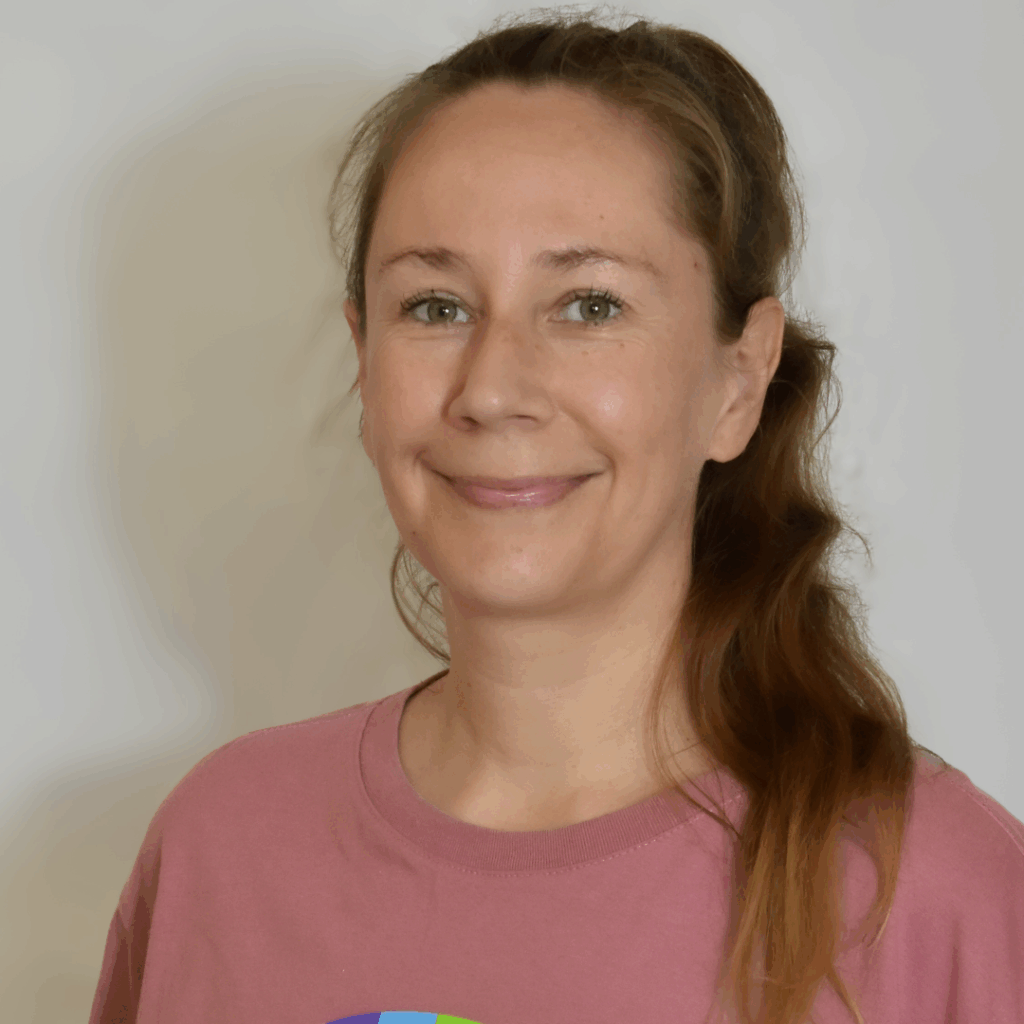
Holds a degree in Economics from the University of Paris X and an MBA in Marketing & Management from Reims Business School.
She worked for 15 years as a Project and Communication Coordinator at Universal Music. Currently, she develops communication strategies and content for various communication channels, with a special focus on social media.
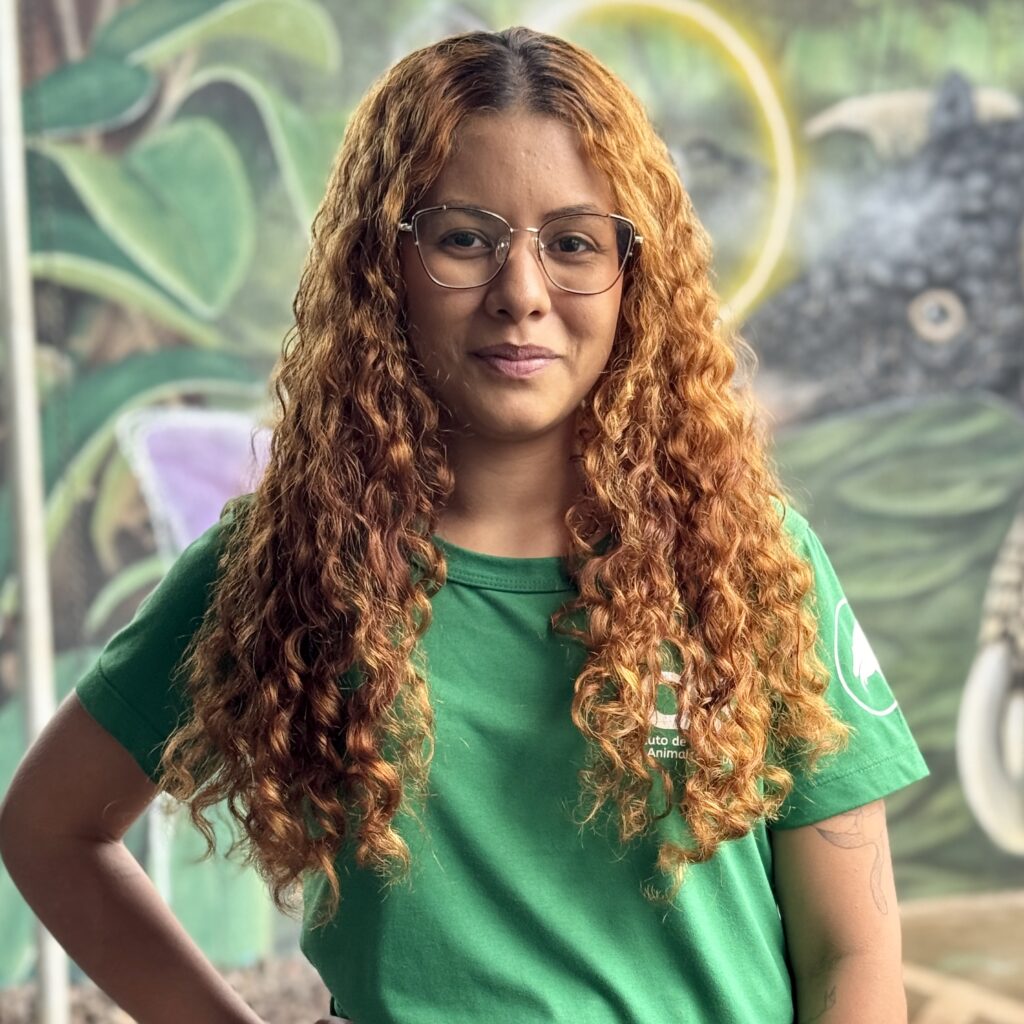
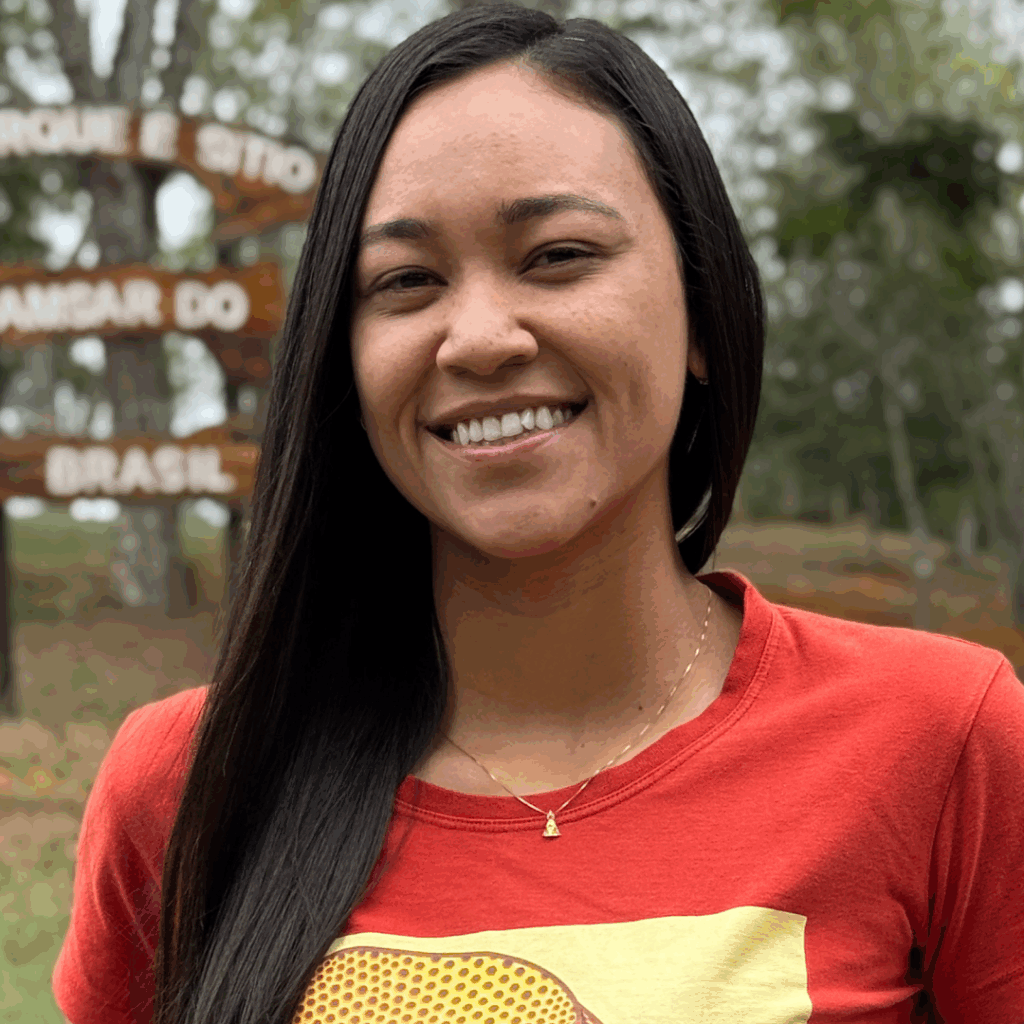
Field researcher for the Giant Armadillo Conservation Program – Atlantic Forest. She works with data verification and screening, environmental education, and community and park outreach.
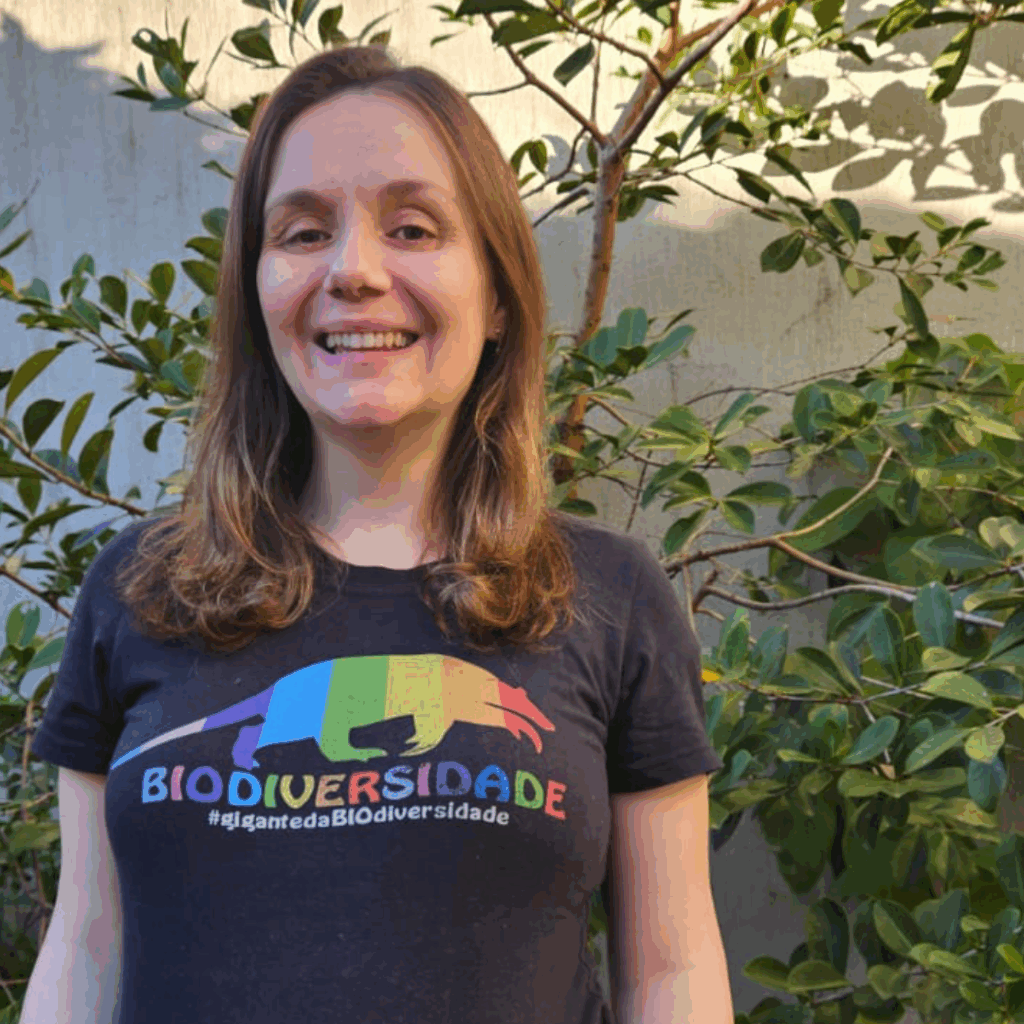
Holds a Bachelor's degree in Biological Sciences (2008) and a Teaching License (2009) from São Paulo State University (UNESP), as well as a Master’s degree in Ecology from the University of Campinas (UNICAMP). She earned her Ph.D. in Ecology, also from UNICAMP. Her experience lies in the field of Ecology, with a focus on mammals, primates, behavioral ecology, landscape ecology, and molecular ecology.
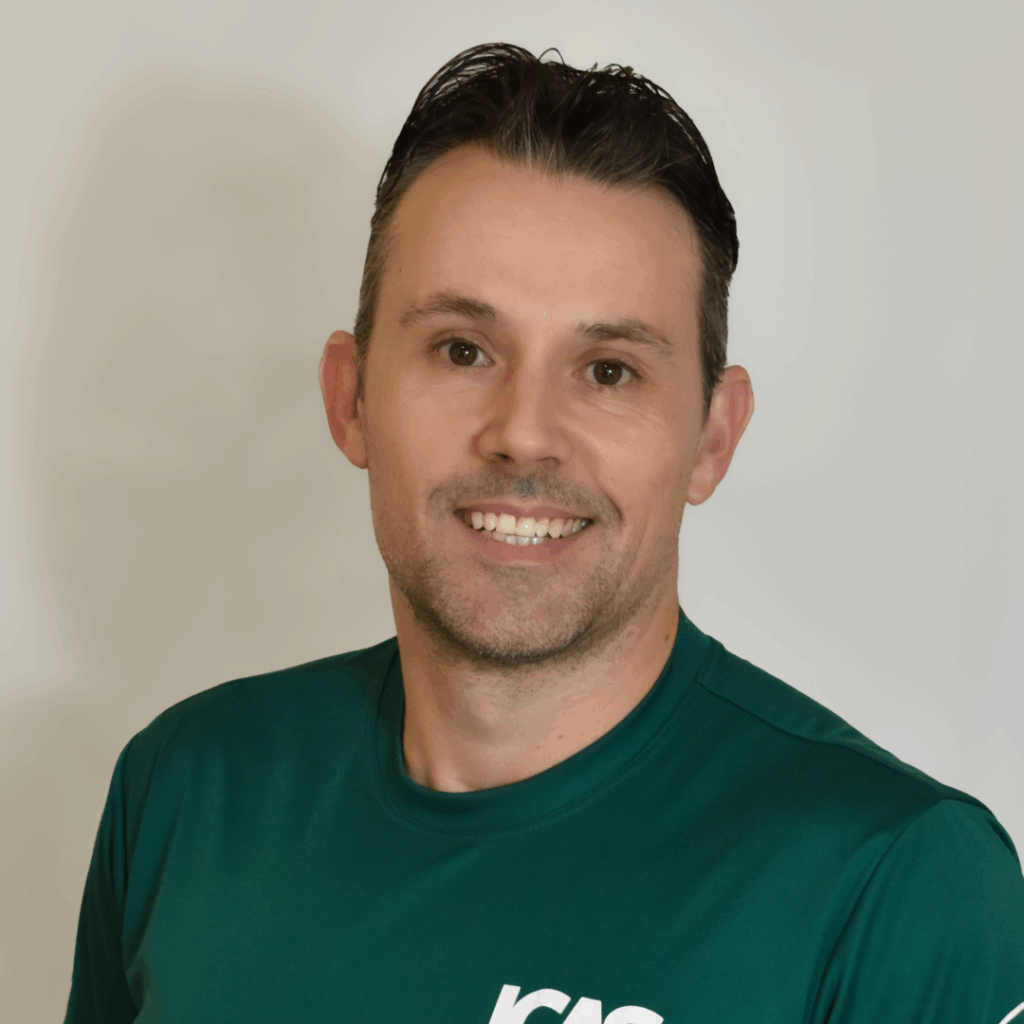
Holds a degree in Veterinary Medicine from Universidade Paulista (2003) and a postgraduate specialization (lato sensu) in Wildlife Clinical and Surgical Medicine from Instituto Qualittas. He is an associate researcher at the Wild Animal Conservation Institute (ICAS) and at Naples Zoo at Caribbean Gardens, Florida, USA. He serves as the coordinating veterinarian for ICAS’s One Health initiative. He holds a Master’s degree in Tropical Diseases and International Health from the Institute of Tropical Medicine at the University of São Paulo and is currently a Ph.D. (sandwich program) candidate at Mivegec/IRD – University of Montpellier, France, and the Faculty of Medicine, University of São Paulo (USP), Brazil (Mérieux Foundation Fellow, France).
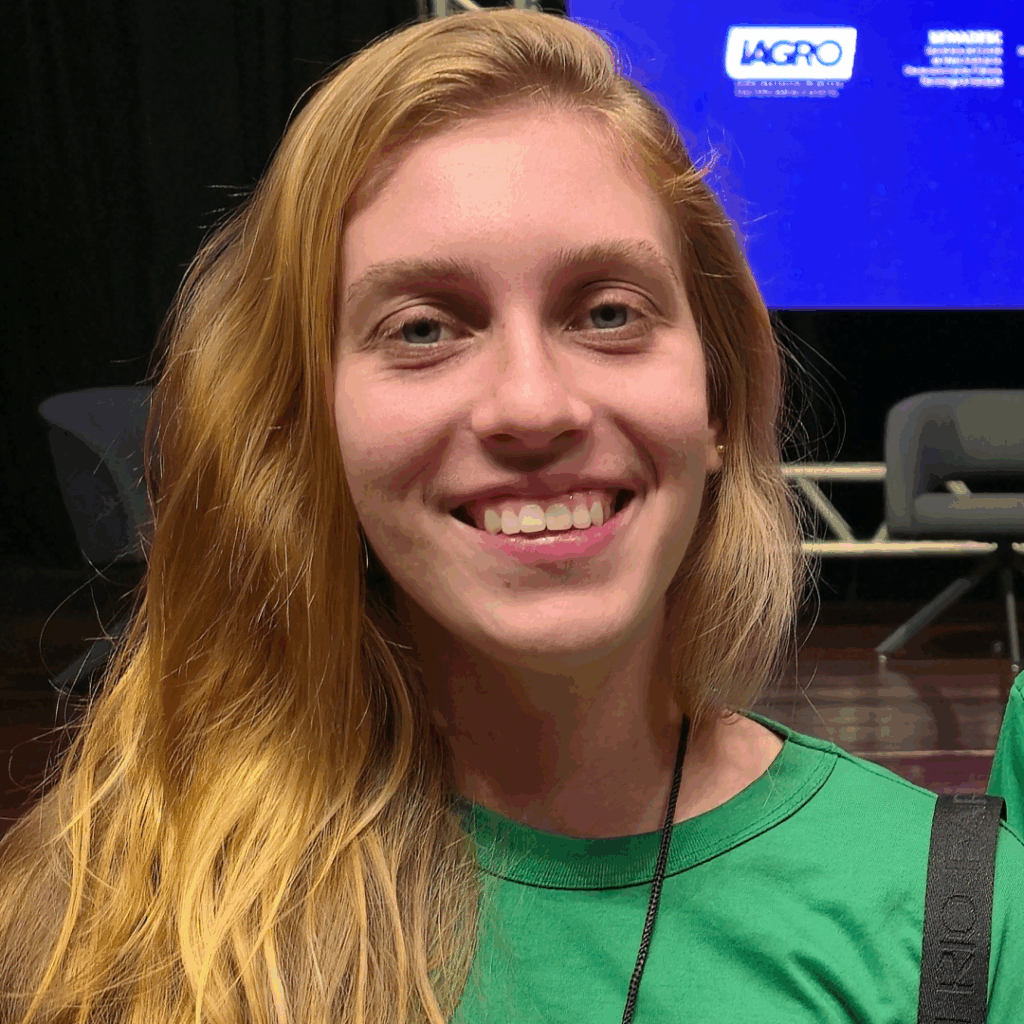
Veterinarian graduated from UNESP FCAV – Jaboticabal Campus (2024). She works as a trainee at the Wild Animal Conservation Institute (ICAS), participating in the Bandeiras e Rodovias Project and the Giant Armadillo Project, in the Cerrado and Pantanal biomes.
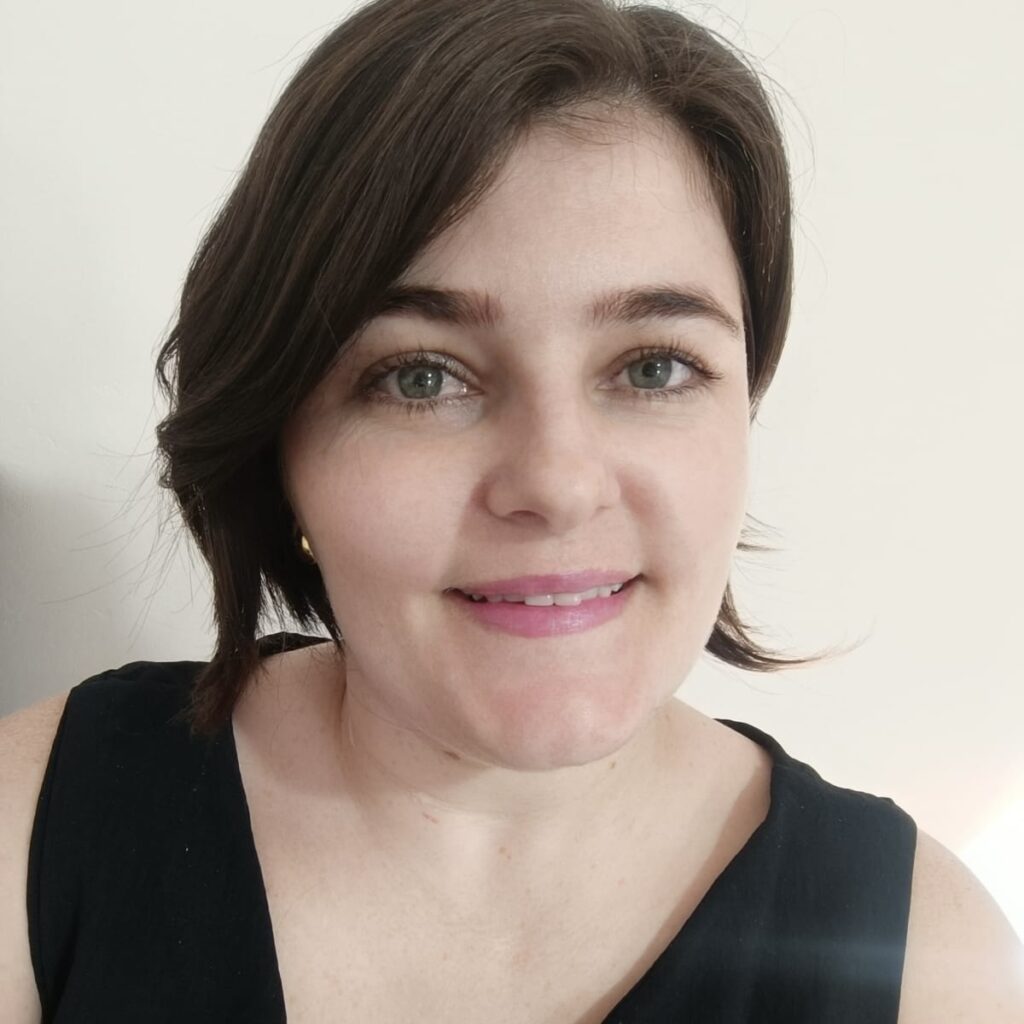
Holds a degree in Accounting from Faculdade do Mato Grosso do Sul – FACSUL (2017) and a postgraduate specialization in Controllership and Tax Management from Faculdade Novo Oeste (2019). She has been part of ICAS since 2019, working in the administrative and financial areas.
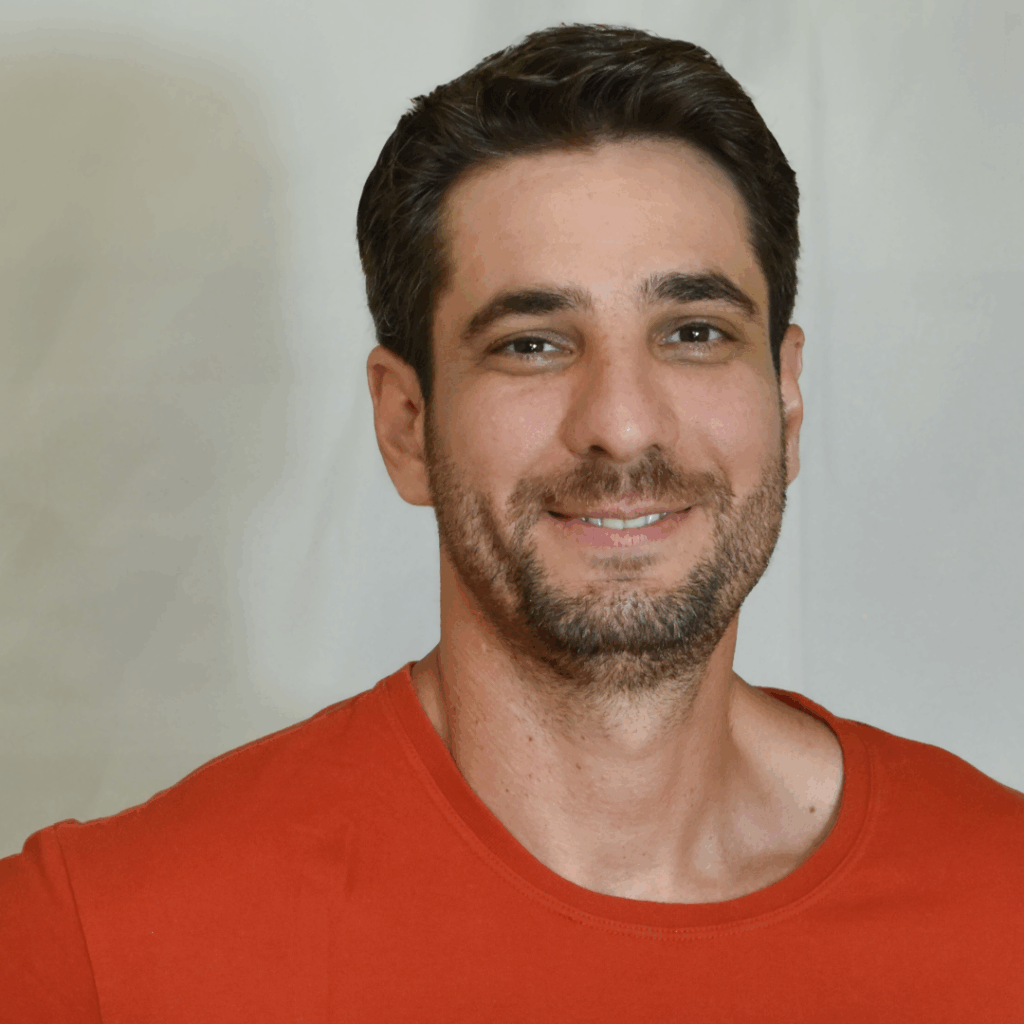
Biologist graduated from Universidade Federal da Grande Dourados (2009). He completed curricular and extracurricular internships in conservation projects, gaining experience in the capture, monitoring, and conservation of wild animals, with a focus on Xenarthrans.
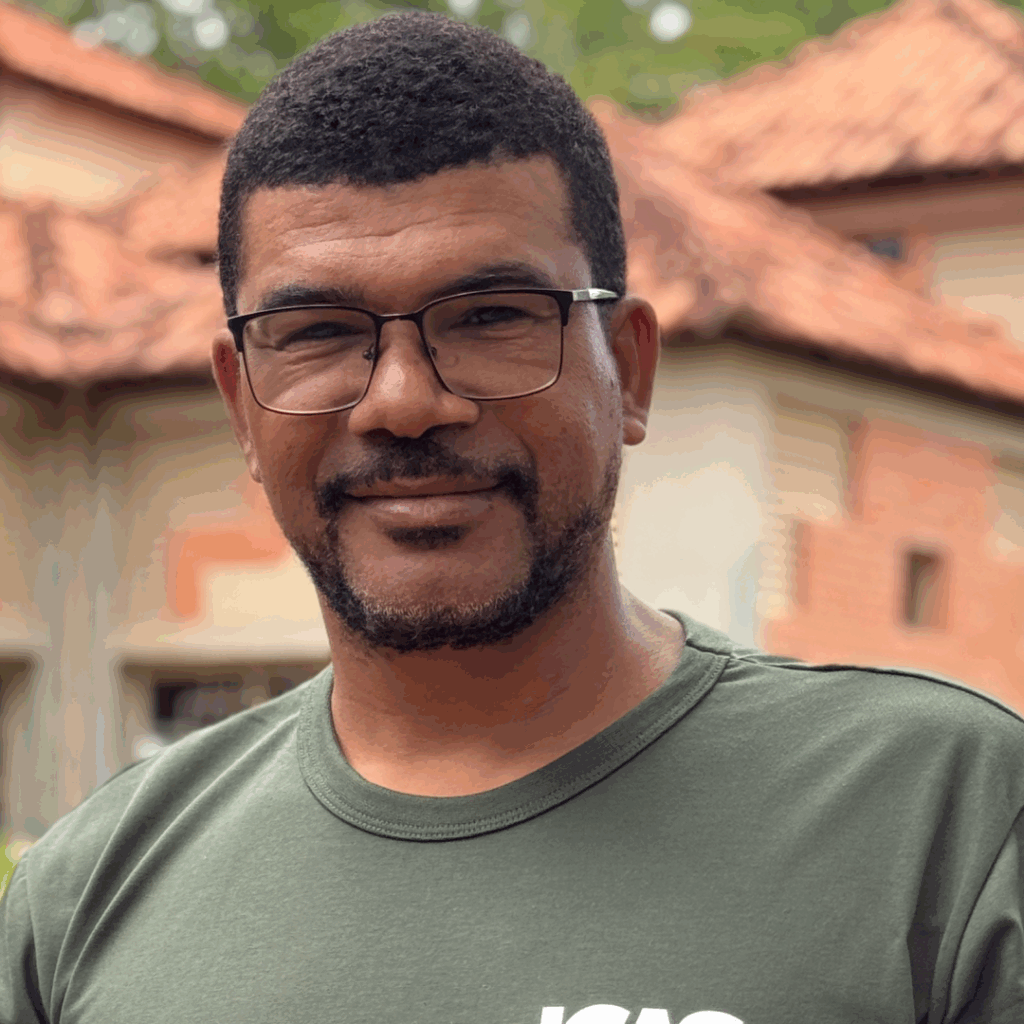
Field Assistant for the Giant Armadillo Conservation Program – Atlantic Forest. He works on equipment maintenance and verification, environmental education, and community and park engagement in the Conservation Unit where the project is carried out within this biome.
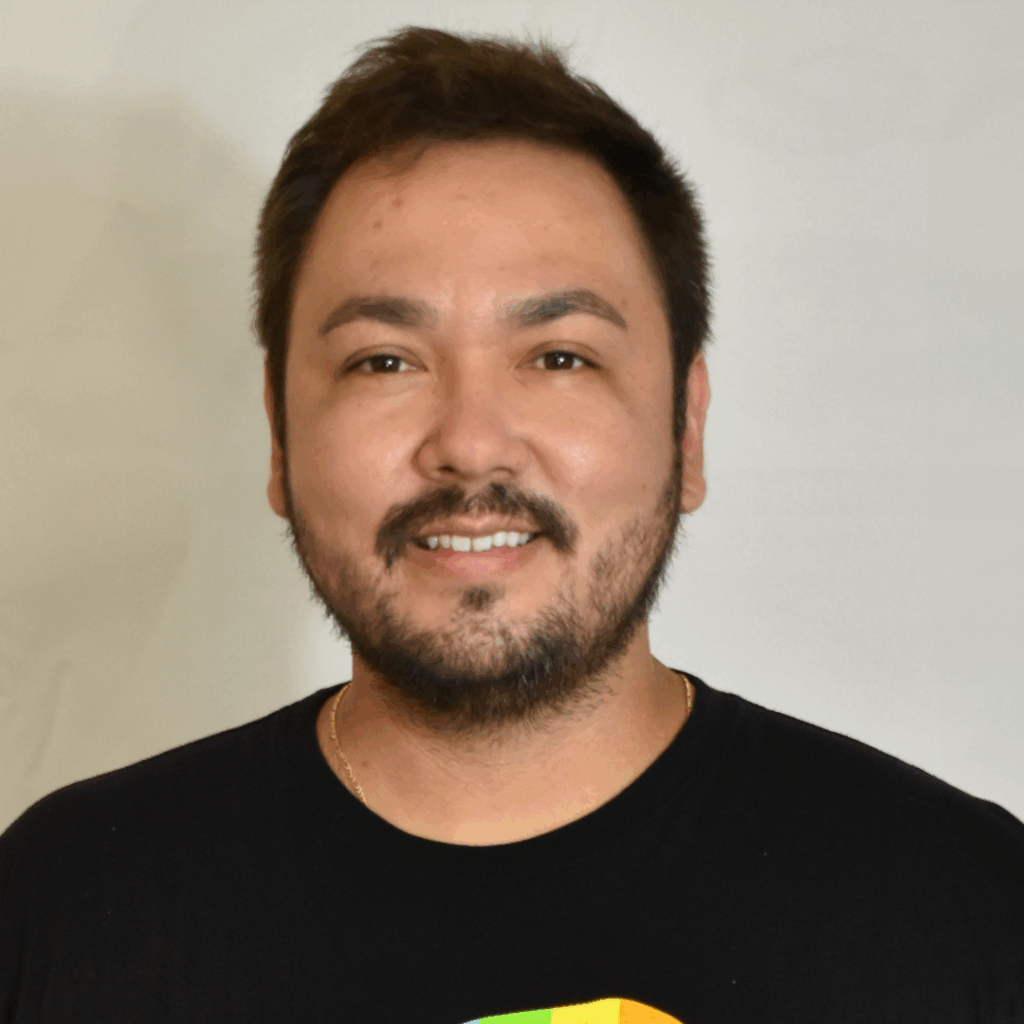
Born in the countryside of São Paulo, he is passionate about animals, photography, and filmmaking. He graduated in 2012 from Universidade Católica Dom Bosco (UCDB) and has been working in various areas of communication in the non-profit sector since 2010, when he first started as a volunteer.
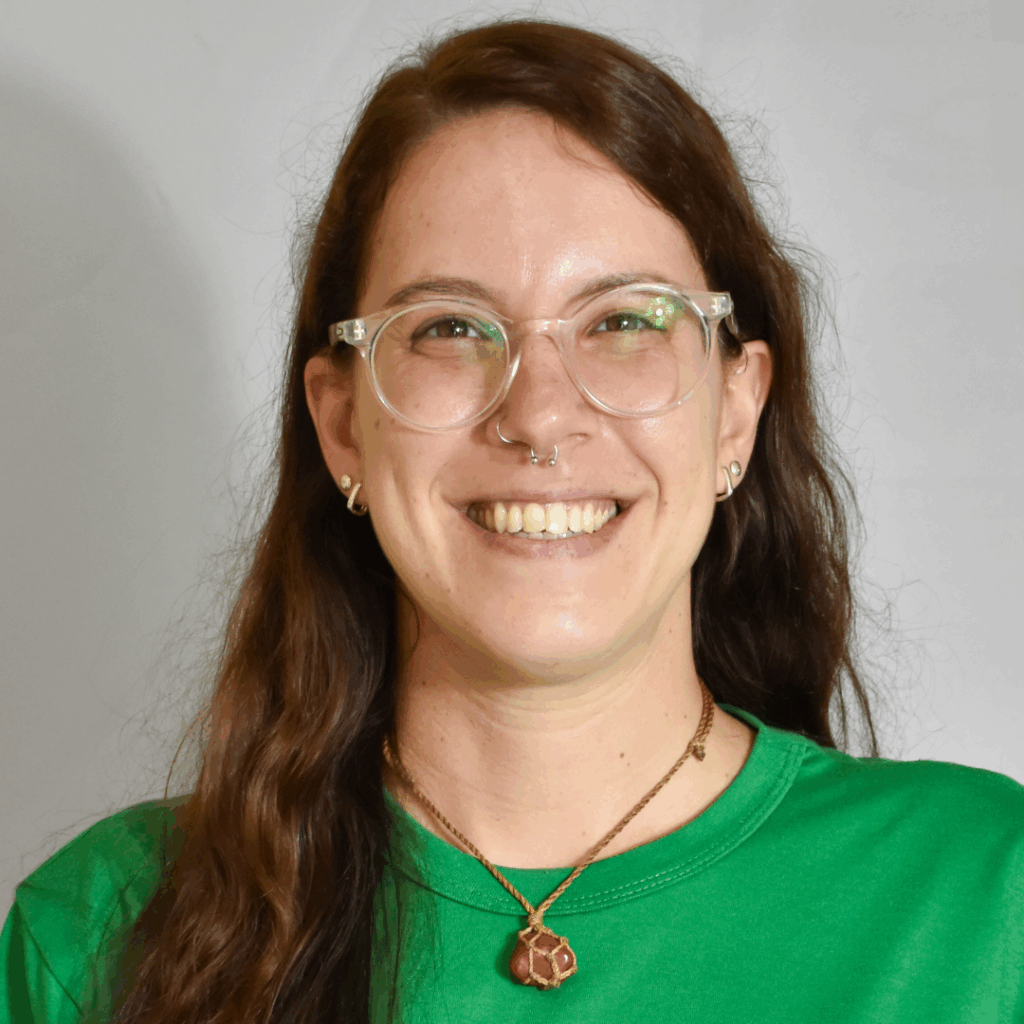
Holds a degree in Biological Sciences from Universidade Federal de Mato Grosso do Sul (UFMS), with experience in Zoology, Field Ornithology, and Environmental Education. She earned a Master’s degree in Education from the Institute of Biosciences (UNESP), focusing on Environmental Education. She worked as a Science teacher in the Municipal School Network of Florianópolis, SC, in 2018 and 2019. She holds a Ph.D. in Science Education, with a concentration in Environmental Education, from UFMS. She is a collaborator of the EArte Project (State of the Art of Environmental Education in Brazil) and a member of the Human-Wildlife Conflict and Coexistence Committee of the Brazilian Society of Mammalogy (SBMz). Currently, she works in the Human-Wildlife Coexistence area and coordinates the Canastras e Colmeias Project at the Wild Animal Conservation Institute (ICAS).

Holds a degree in Veterinary Medicine, a Master’s degree in Animal Science from Pontifícia Universidade Católica do Paraná, and a Ph.D. in Ecology and Conservation from Universidade Federal de Mato Grosso do Sul. She works across all fronts of the project, with an emphasis on the capture and monitoring activities of giant anteaters.
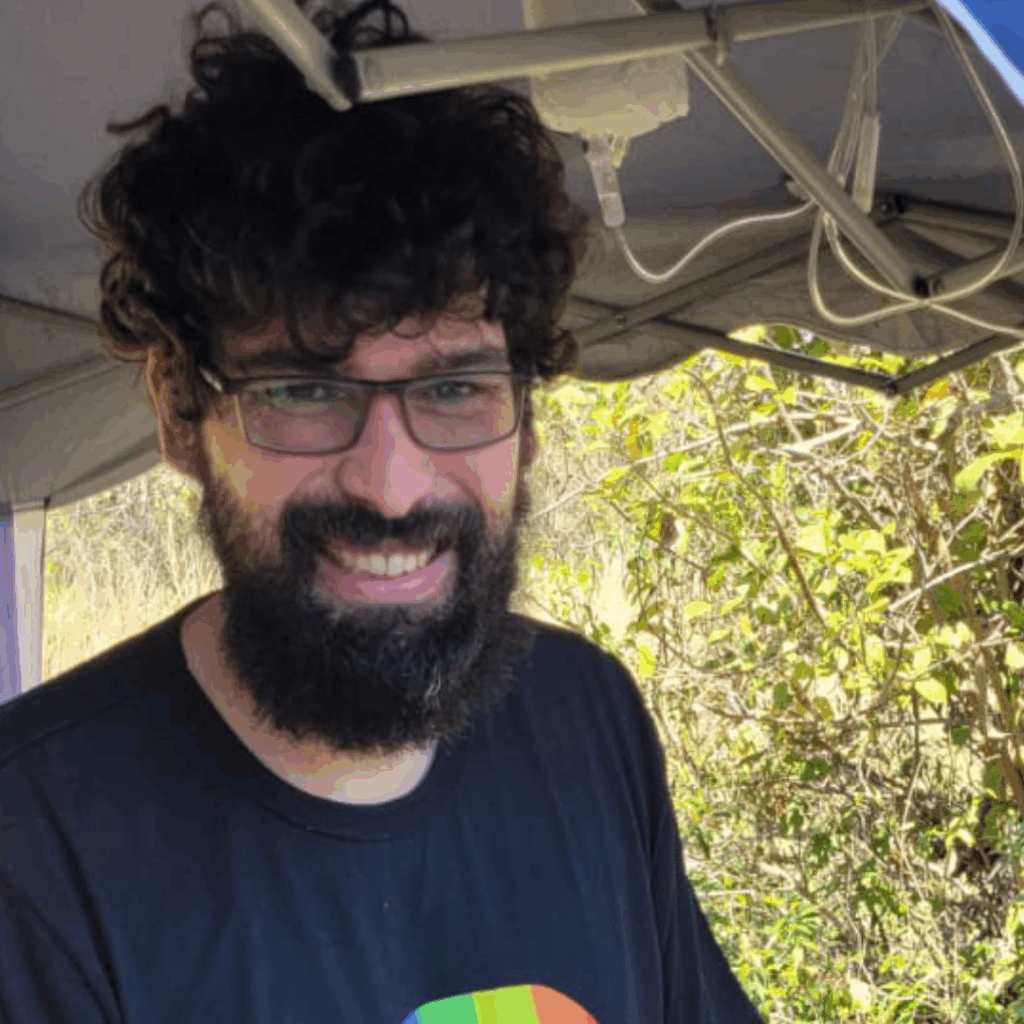
Holds a degree in Veterinary Medicine from Universidade Estadual Paulista (UNESP) “Júlio de Mesquita Filho” – Araçatuba Campus (2012). Completed a residency in Wildlife Medicine at Parque Zoológico Municipal “Quinzinho de Barros” in Sorocaba, SP, and at the Wildlife Medicine and Research Center (CEMPAS) of FMVZ – UNESP – Botucatu, SP (2015). Earned a Master’s degree in Conservation and Sustainable Use of Biodiversity from Pontificia Universidad Javeriana (PUJ) in Bogotá, Colombia (2022). He has served as Coordinator of the Animal Health Committee of ALPZA (Latin American Association of Parks, Zoos, and Aquariums) since 2024 and as an Inspector for ALPZA’s zoo and aquarium accreditation processes since 2019. Since 2025, he has worked as a veterinarian in the Giant Armadillo Conservation Project at the Wild Animal Conservation Institute (ICAS).
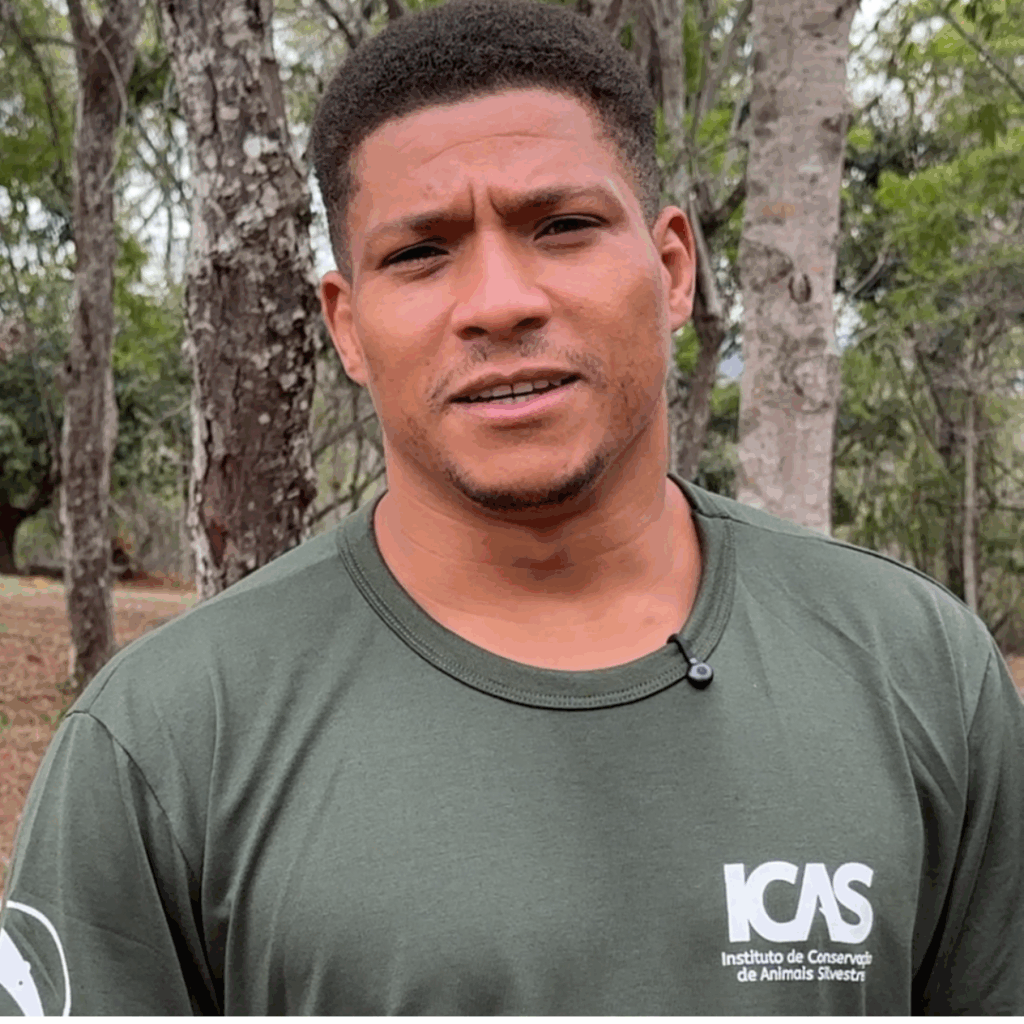
Biologist with a Master’s degree in Tropical Biodiversity from Universidade Federal do Espírito Santo (2017), a Bachelor’s degree in Biological Sciences (Teaching License) from the Center for Agricultural Sciences at Universidade Federal do Espírito Santo (2014), and a Technical degree in Agriculture with a specialization in Agroindustry from Escola Agrotécnica Federal de Santa Teresa (2005).
He has experience in road ecology, wildlife monitoring and rescue, and environmental education. Since 2013, he has worked on assessing the impacts of roads on biodiversity and on studies related to wildlife conservation. Since 2019, he has been employed by ICAS to coordinate the Giant Armadillo Project at Parque Estadual do Rio Doce (PERD), Minas Gerais.
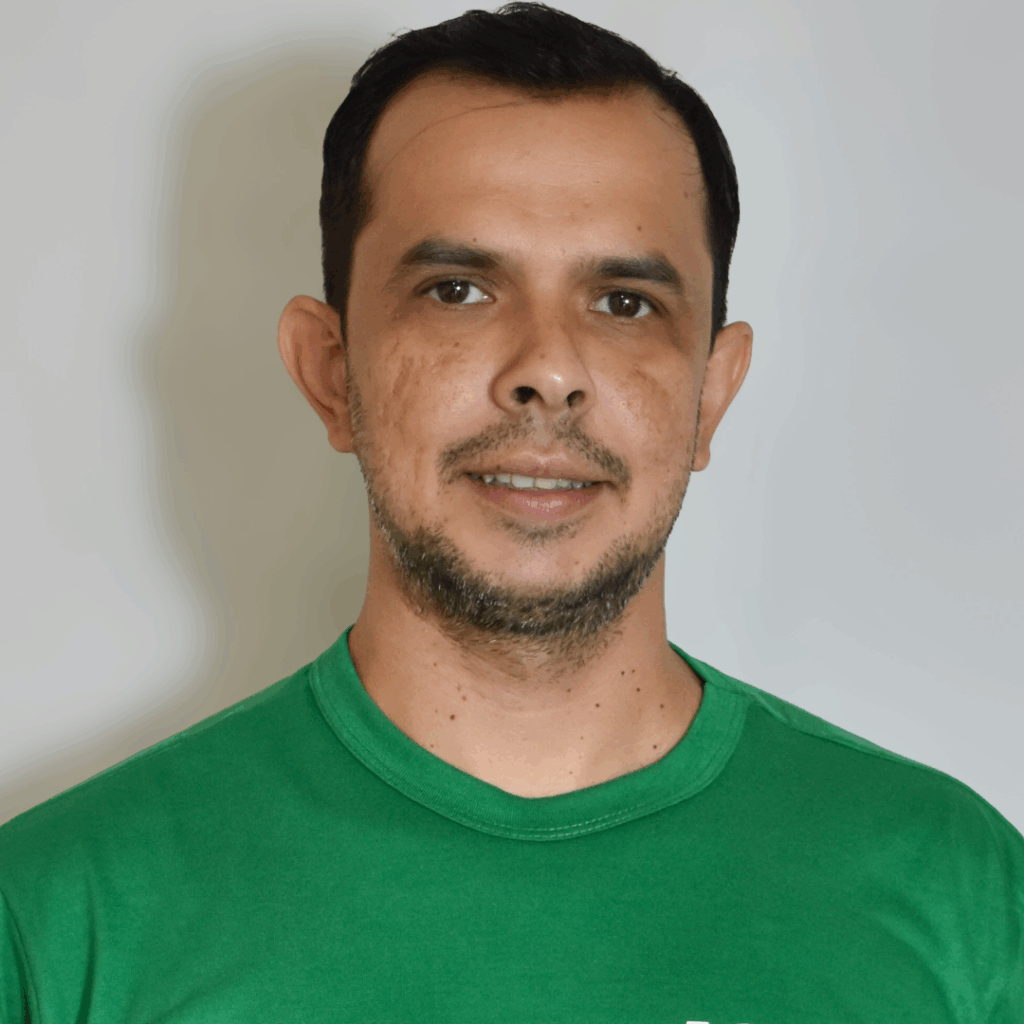
Born in Campo Grande (MS), he holds a Bachelor’s degree in Business Administration (2011) and is currently pursuing a postgraduate degree in Beekeeping and Meliponiculture at Universidade de Taubaté (SP). Since 2018, he has worked in honey production, providing consulting services to improve hive productivity and advising beekeepers on non-lethal mitigation measures to prevent hive predation by giant armadillos. He contributes to the project by strengthening small-scale producers through the production and distribution of queen bees to partner beekeepers.
He is currently part of the Canastras e Colmeias team as Contract and Certification Manager.
He also has extensive experience in road ecology, wildlife monitoring and rescue, and environmental education. Since 2013, he has been involved in assessing the impacts of roads on biodiversity and conducting studies on wildlife conservation. Since 2019, he has collaborated with ICAS, where he coordinates the Giant Armadillo Project at Parque Estadual do Rio Doce (PERD), Minas Gerais.
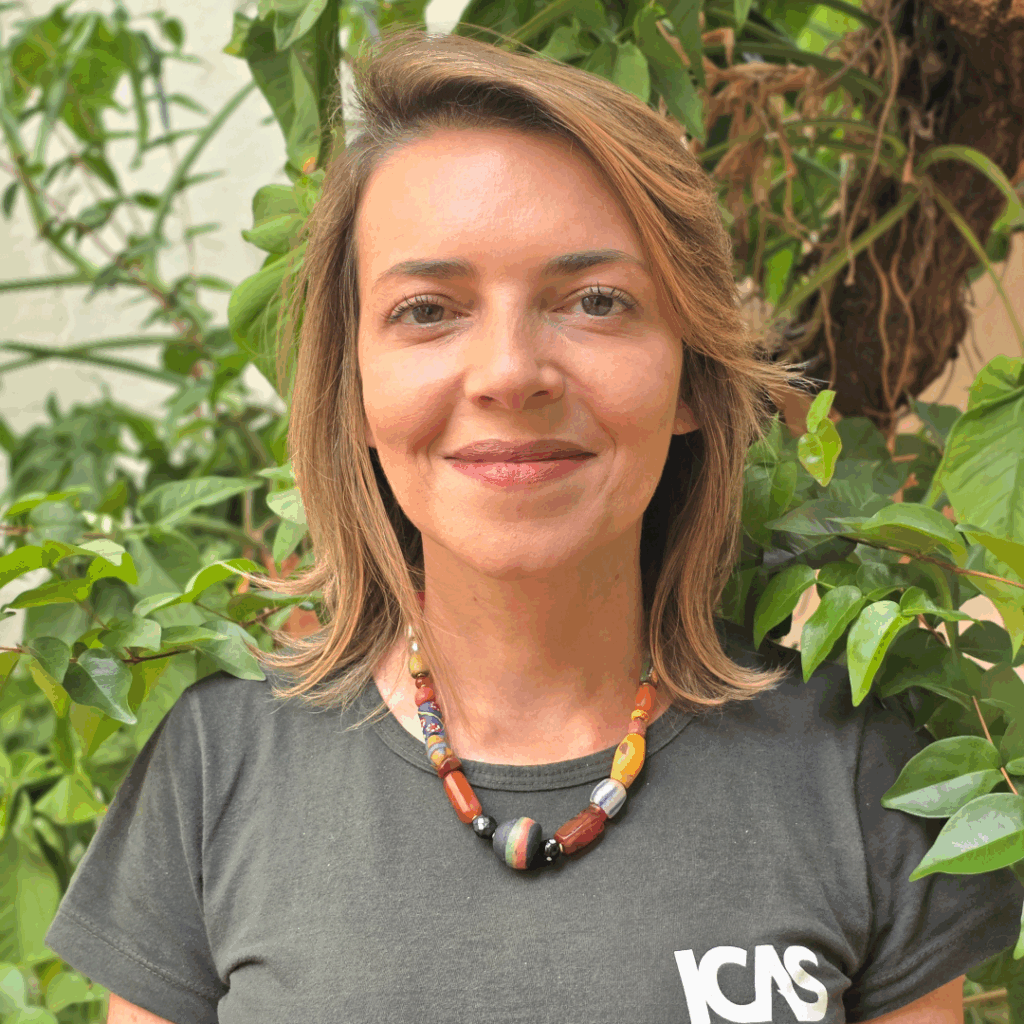
Interdisciplinary biologist interested in the relationships between humans and more-than-humans — including animals, plants, rivers, and forests — weaving together ecological, social, and symbolic dimensions. She holds a degree in Biological Sciences from UFSCar (2010), a Master’s degree in Ecology from the same university (2014), and a Ph.D. in Environmental Sciences from USP, with a sandwich period at the Conservation and Human Behaviour Research Group, Bangor University (UK).
She was a Conservation Fellow at Chester Zoo (2021–2024) and is a fellow of the Emerging Wildlife Conservation Leaders program (2024–2025). She is part of the IUCN Human–Wildlife Conflict and Coexistence Specialist Group, leading its Latin American working group, and coordinates the Human–Wildlife Conflict and Coexistence Committee of the Brazilian Society of Mammalogy. She is also certified by WildTeam (UK) in Project Management for Wildlife Conservation.
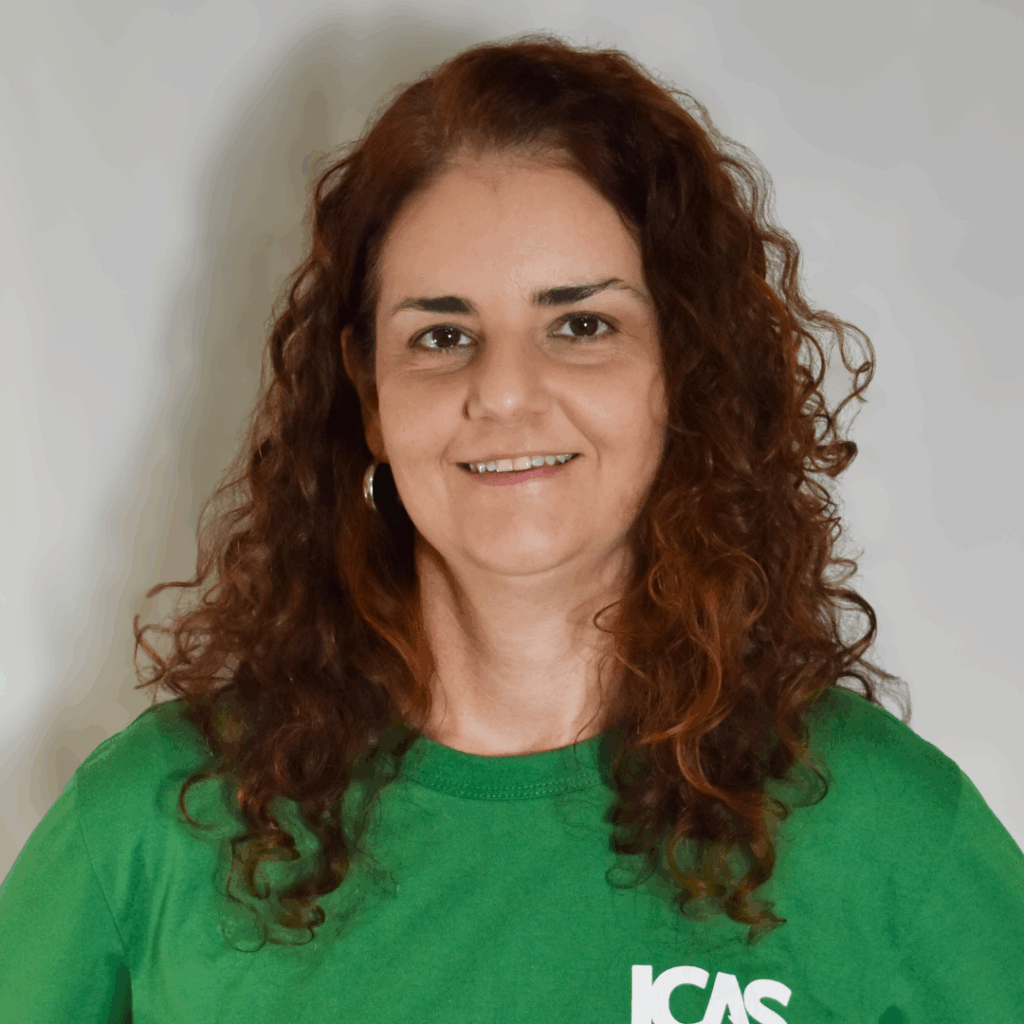
Holds a degree in Social Communication – Journalism from Universidade Federal de Mato Grosso do Sul (2001), a degree in Pedagogy from Universidade Estadual de Mato Grosso do Sul (2017), and a Master’s degree in Education from Universidade Católica Dom Bosco (2014). She currently works as a Project Analyst at the Wild Animal Conservation Institute (ICAS). She has experience in the field of Communication, with an emphasis on Environmental Communication, focusing mainly on the following topics: environment, Pantanal, environmental education, regional development, and conservation.
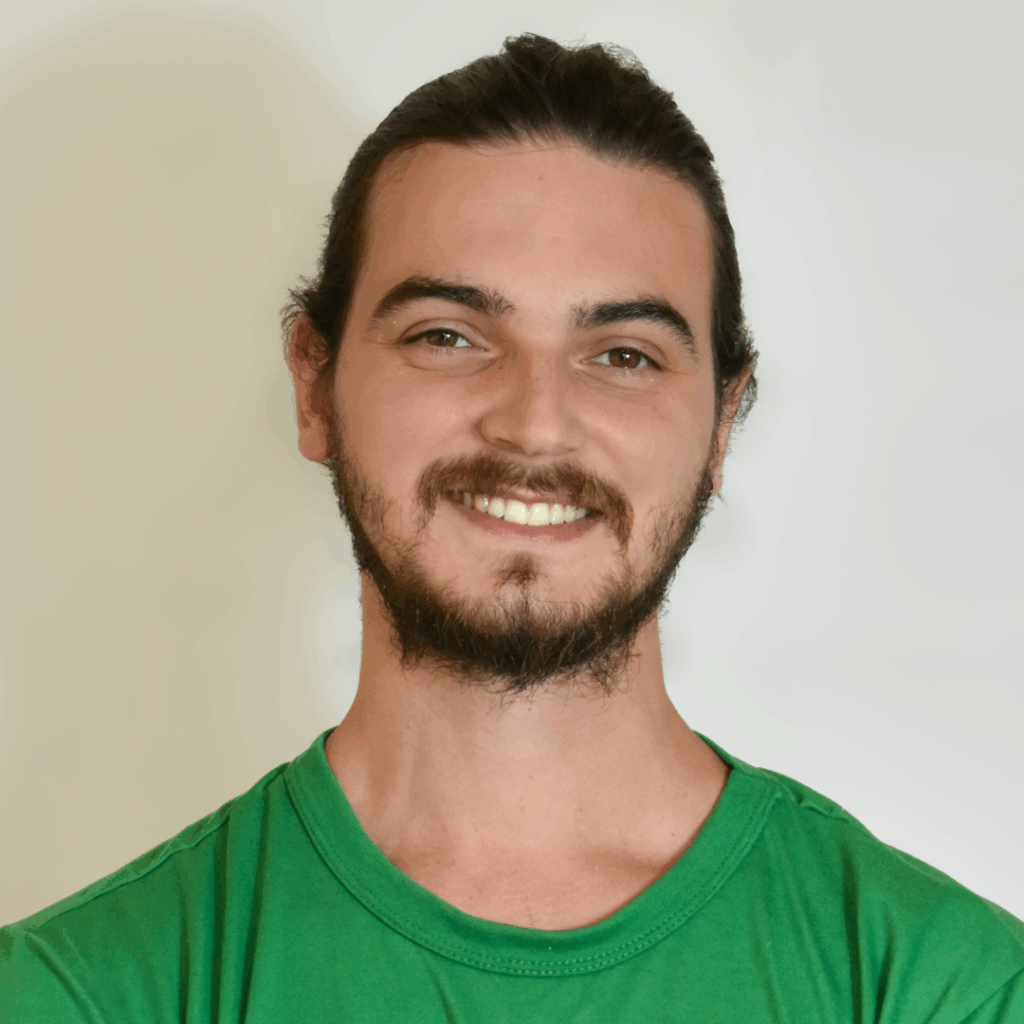
Pedro Mathias is a biologist from São Paulo, graduated from Universidade Paulista (UNIP). Since 2024, he has been part of the Giant Armadillo Project team, working in the southern Cerrado region of Mato Grosso do Sul, based at Parque Natural Municipal do Pombo in Três Lagoas (MS). His research focuses on the conservation of the giant armadillo — a threatened species essential to ecosystem balance. Driven by a passion for nature, Pedro is dedicated to strengthening science-based efforts for biodiversity conservation, contributing to a more sustainable future for Brazil’s wildlife.
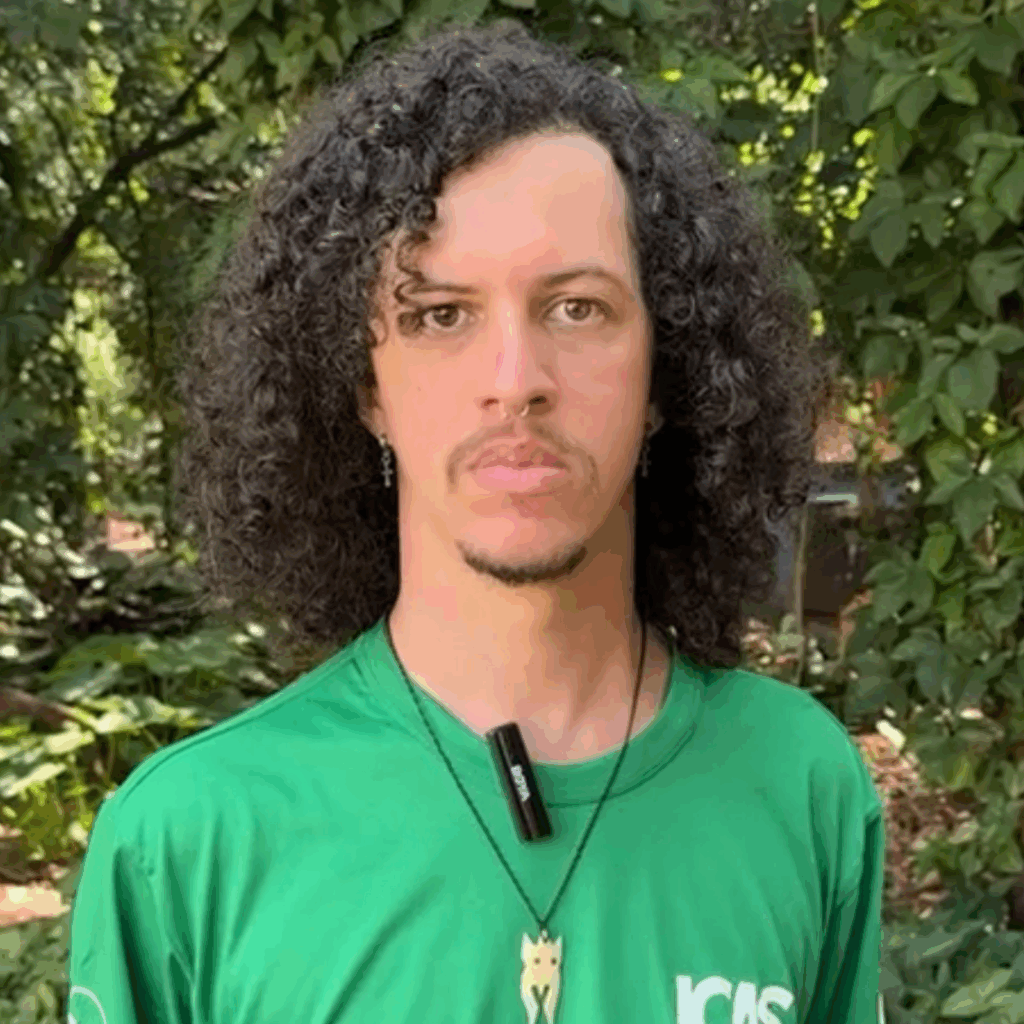
He earned a Bachelor’s degree in Biological Sciences from Universidade Paulista – Jundiaí Campus (2018) and completed a postgraduate specialization in Biodiversity and Conservation at the same university in 2020. From 2015 to 2021, he worked at Associação Mata Ciliar, where he was involved in ex-situ wildlife management and welfare, environmental education, field monitoring, and wildlife rescue and rehabilitation. Between 2022 and 2024, he worked at Associação Onçafari as a bilingual guide and field biologist, also contributing to wildlife rehabilitation efforts. He is currently part of the field team of the Giant Armadillo Project – Cerrado.
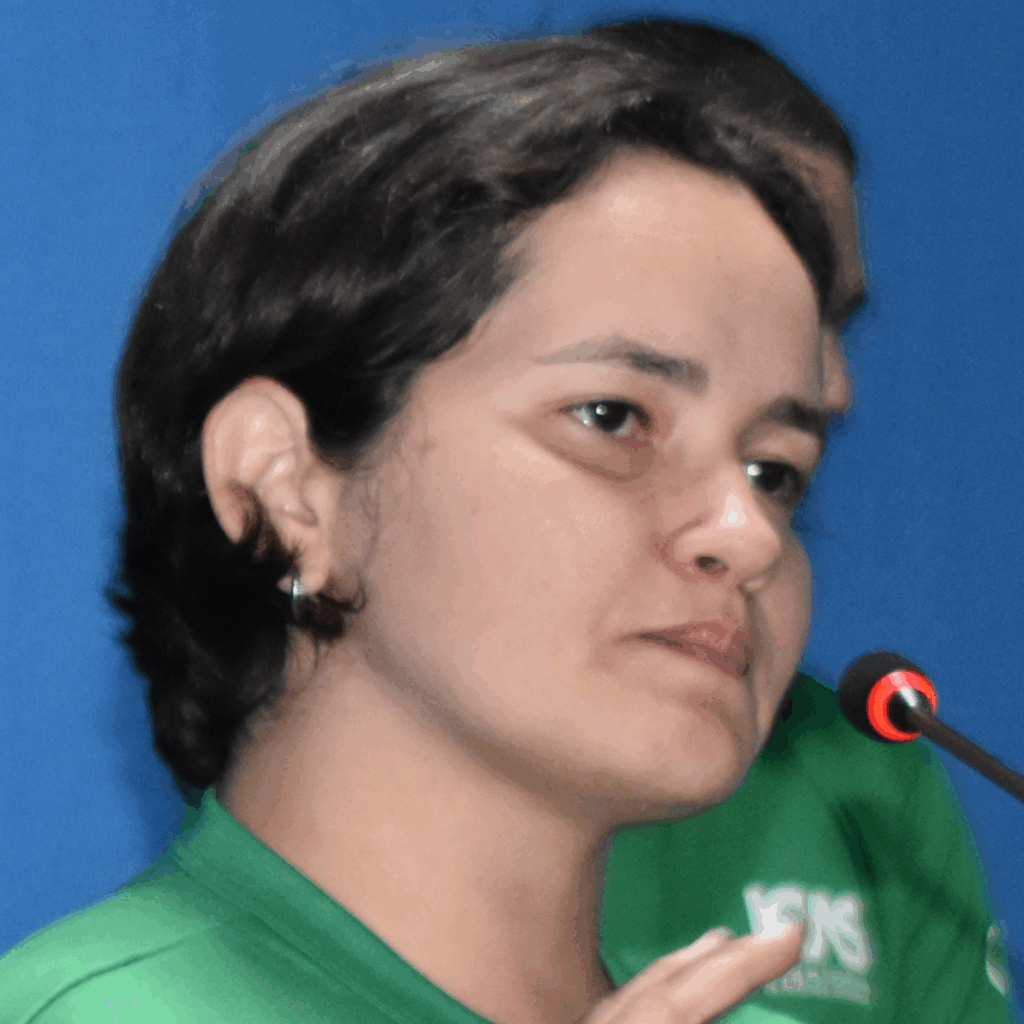
Biologist, graduated from Universidade Federal de Mato Grosso do Sul and specialized in Endangered Species Management from the University of Kent. She has experience in coordinating conservation projects, wildlife monitoring, species rehabilitation and translocation. Her work also includes facilitating conservation planning processes, environmental education, and integrating multidisciplinary teams — always with a focus on animal welfare and biodiversity conservation.
Professional focus: She applies approaches and methods from the Social Sciences to understand the social, psychological, and economic contexts of human–wildlife interactions that threaten biodiversity. The main goal of her research is to develop integrative strategies that effectively improve coexistence between people and wildlife. Her interests include the Human Dimensions of Conservation, Social Psychology, and Conservation Psychology.
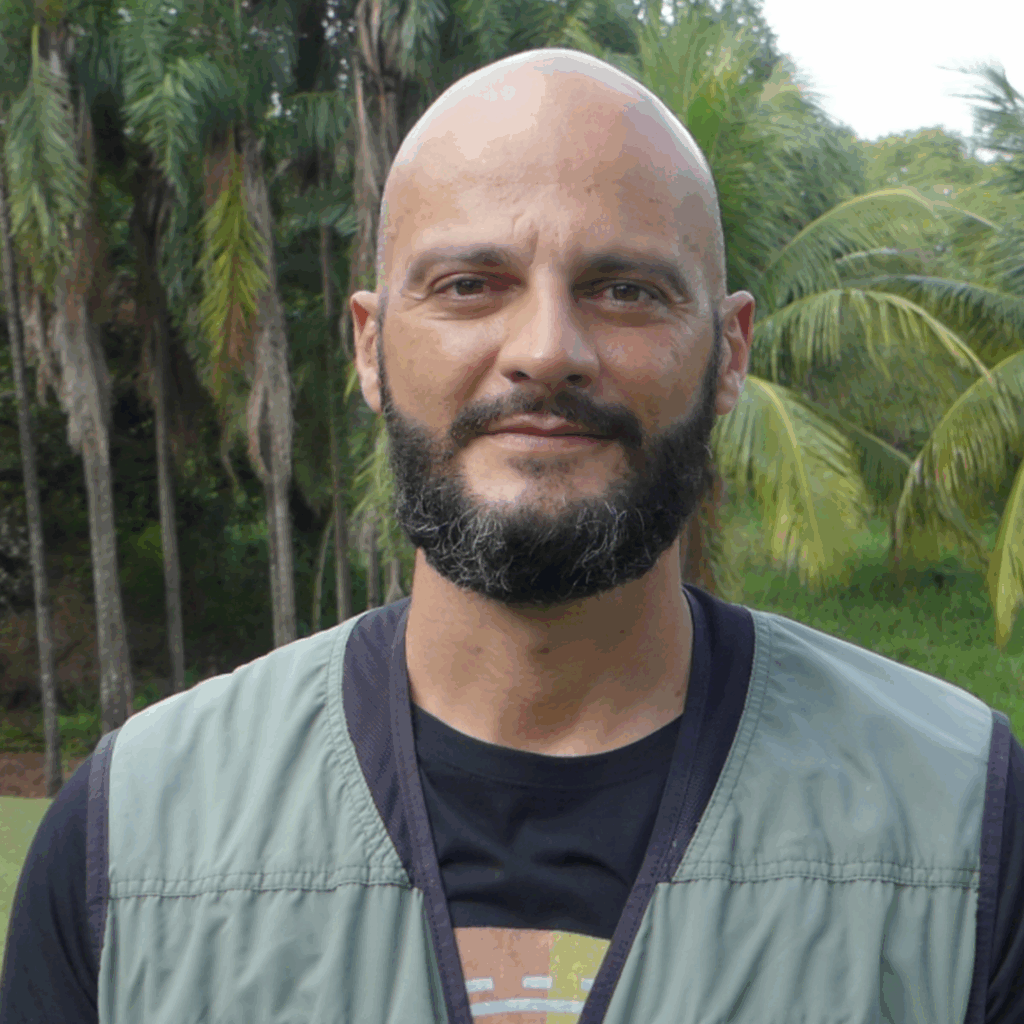
Biologist, Environmental Manager, and Master in Ecology and Conservation.
Founder of Associação Nobilis, with extensive experience in wildlife surveying, monitoring, and rescue. He collaborates throughout the entire process of creation, rehabilitation, and monitored release within the TamanduASAS Project.
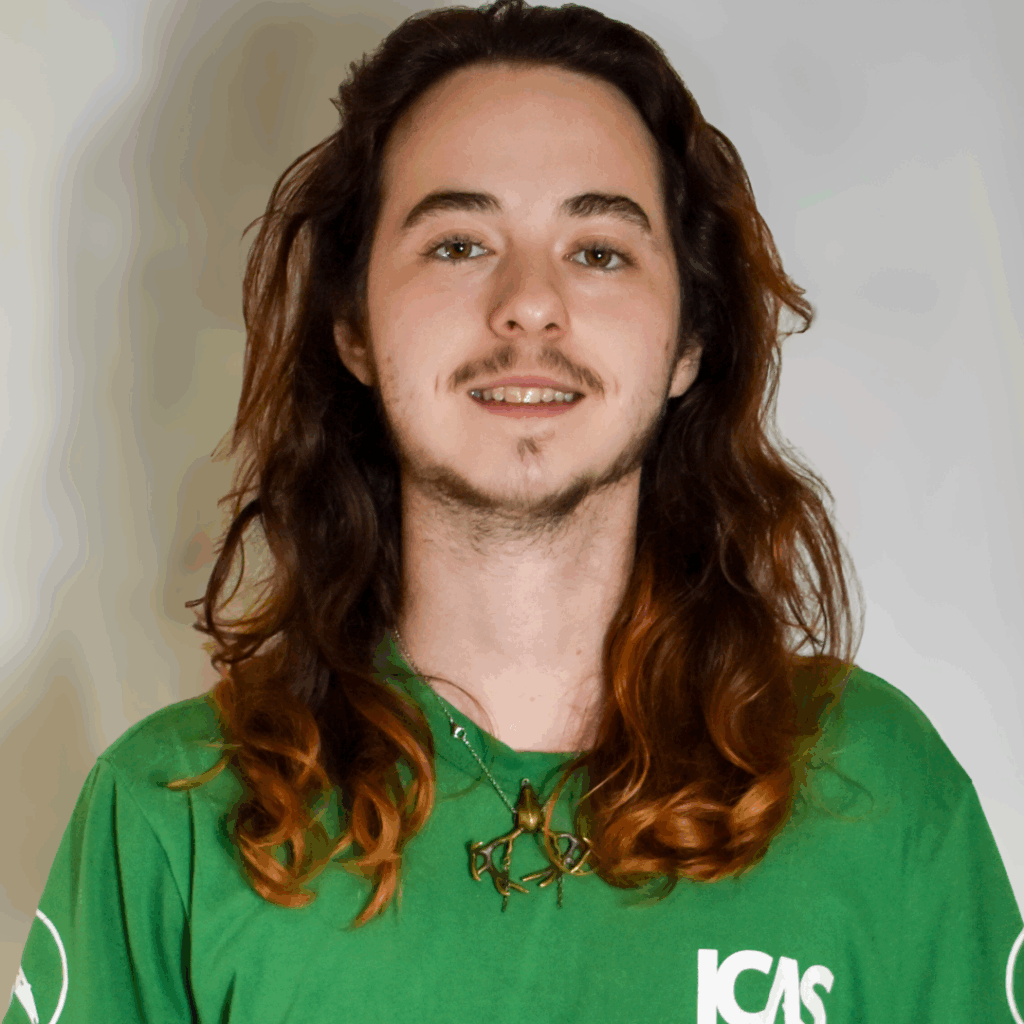
Arthur Bellini is a biologist from Campo Grande, as well as a fantasy and science fiction writer. He was first published by Corvus Editora in 2022 and later by Galera Record in 2023, contributing a short story to the anthology “Finalmente, 15.”Since childhood, he has been passionate about nature and strives to bridge his two callings — bringing love and respect for all wild creatures into literature, and the power of storytelling into science. At ICAS, he was responsible for the Vozes do Mel project.
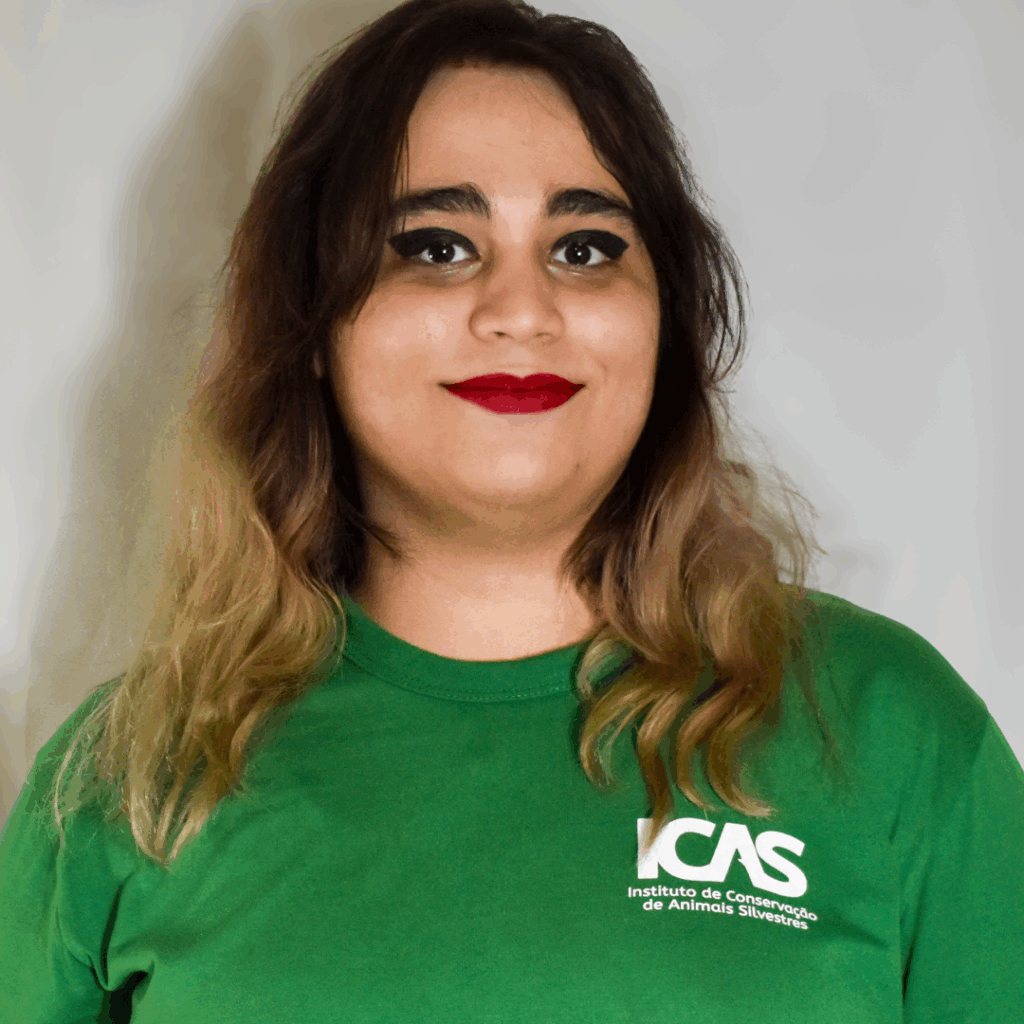
Born and raised in Campo Grande, in the state of Mato Grosso do Sul, Aurora has always been fascinated by the nature around her and, over time, found her path in education. At ICAS, she discovered critical environmental education — a field where she combines sensitivity, creativity, and communication to connect people with nature while considering their social and economic contexts. She has also developed educational materials and activities focused on the conservation of Brazilian wildlife, particularly the giant anteater and the giant armadillo. Outside the educational field, she is passionate about the sky and visual composition, which she pursues as a hobby.
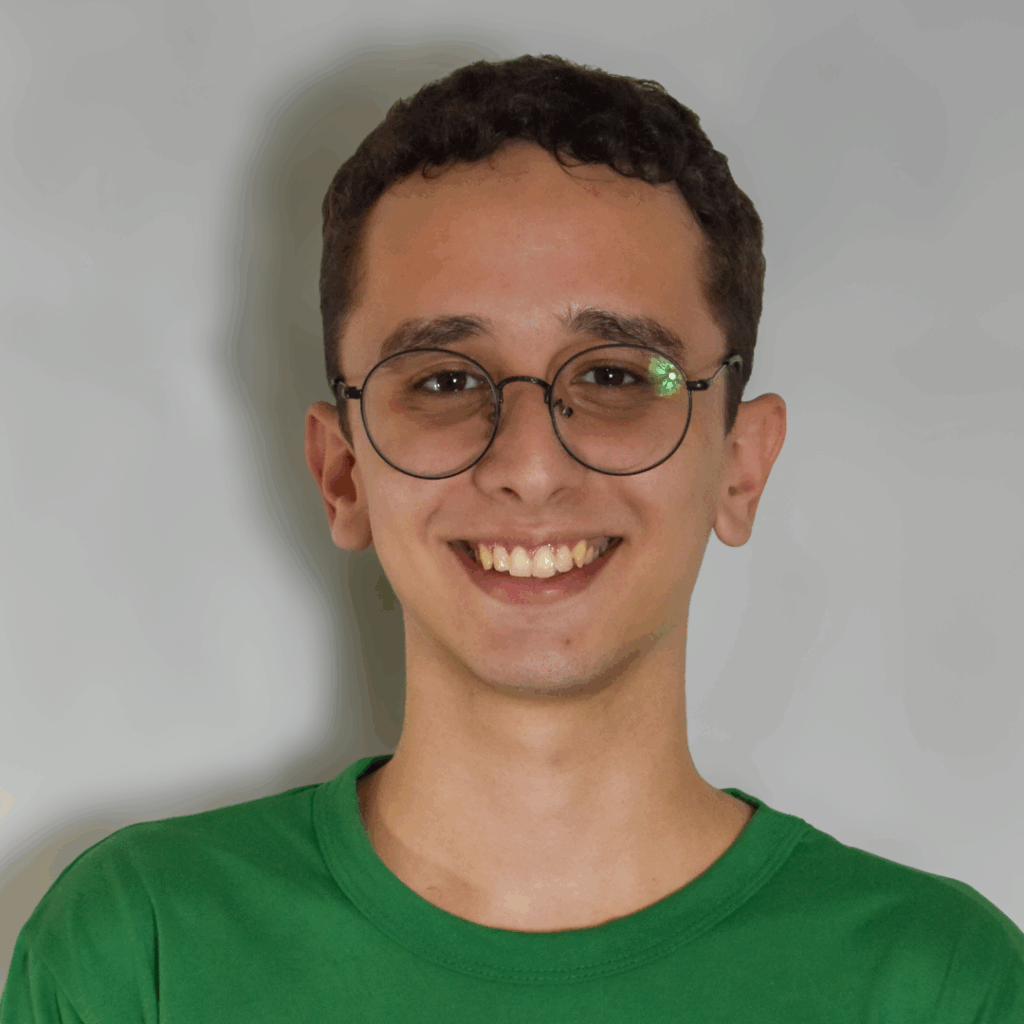
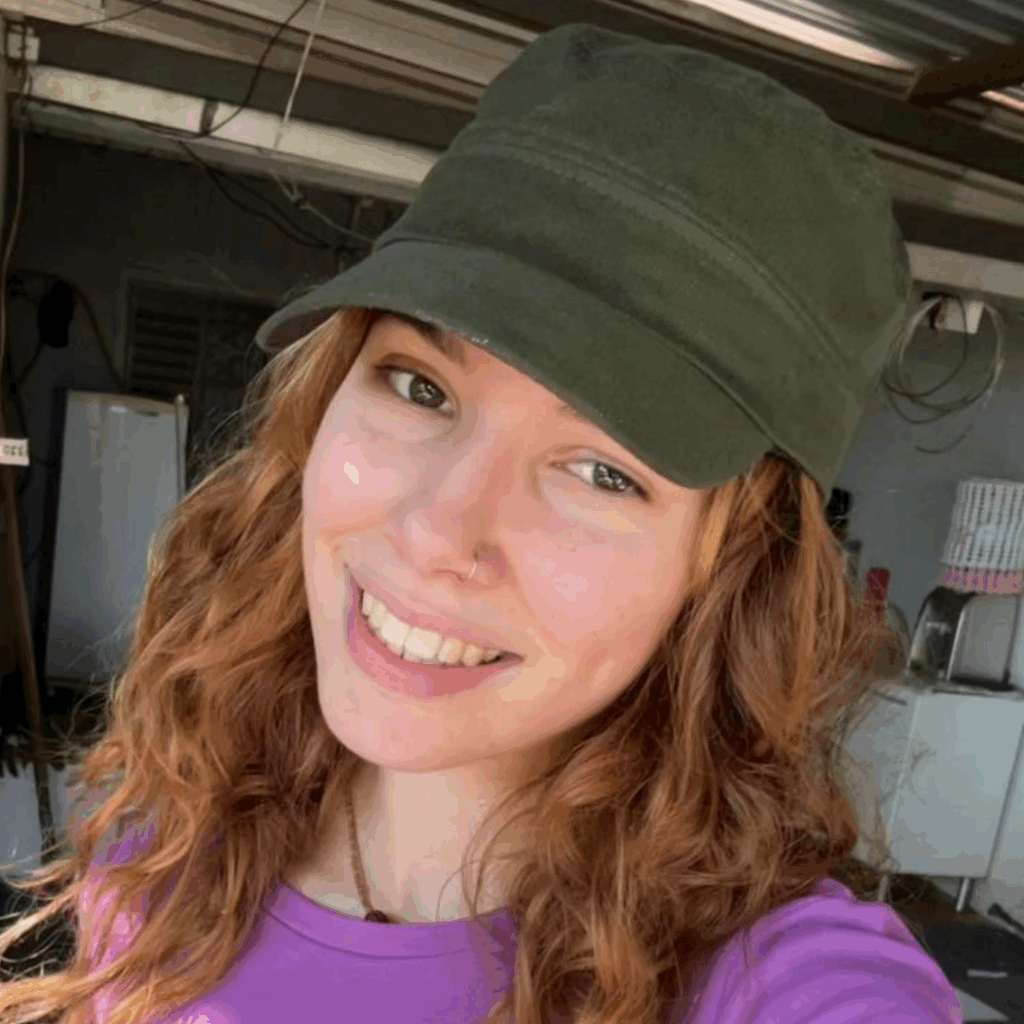
Undergraduate student in Biological Sciences at Universidade Estadual de Mato Grosso do Sul (4th semester). She works as an Organic Chemistry monitor and teaches Biology classes at the UEMS preparatory course. Currently, she is an intern in the Human–Wildlife Coexistence unit at the Wild Animal Conservation Institute (ICAS).

Holds a degree in Journalism from Universidade Federal de Mato Grosso do Sul (2024). She is a CAPES scholarship holder pursuing a Master’s degree in the Graduate Program in Communication (PPGCOM-UFMS), in the line of research “Languages, Processes, and Media Products,” focusing on socio-environmental educommunication and audiovisual production for conservation. She works as a trainee on the Communication team at the Wild Animal Conservation Institute (ICAS).

Biologist from Universidade Federal de Mato Grosso do Sul (UFMS) and currently specializing in Geoprocessing. He is a trainee in the Giant Armadillo Project, responsible for database management in the Pantanal. Combining biology and technology, he works on scientific writing and data optimization for other researchers. His daily work is dedicated to transforming raw data into precise information that supports the research and conservation of xenarthrans.