
Wild Animal Conservation Institute
ICAS – the Wild Animal Conservation Institute – works to protect Brazilian biodiversity, giving special attention to two of the giants in our fauna: the giant armadillo and the giant anteater. These iconic species, both threatened with extinction, play fundamental roles in the ecosystems where they live and are symbols of the importance of wildlife conservation.
Our mission is to promote harmonious coexistence between people and biodiversity. This means seeking solutions so that people and wildlife share the same spaces in a balanced way, minimizing negative impacts and generating ecological and social benefits. To achieve this, we integrate science, social engagement, and conservation actions.
Founded in 2016, ICAS was created to support the Giant Armadillo Conservation Program, which currently operates in the Pantanal, Cerrado, Atlantic Forest, and Amazon biomes, dedicated to the research and protection of the world’s largest armadillo.
Over time, ICAS expanded its efforts to include other species and conservation initiatives, such as the Giant Anteater Conservation Program. This program has been conducting long-term research for 8 years to better understand the species and its behavior in areas impacted by human activities in the Cerrado. Furthermore, the program develops initiatives aimed at reducing wildlife-vehicle collisions, particularly through the Anteaters and Highways Project in Mato Grosso do Sul, Brazil. In this context, the giant anteater was chosen as an ambassador for the cause, as it is one of the species most affected by vehicle collisions, helping to raise awareness about the urgent need for effective solutions to mitigate the impacts of road infrastructures.
We are also part of the Observatório Rodovias Seguras para Todos (“Safe Highways for All Observatory” in English), a joint initiative of six NGOs dedicated to reducing accidents involving wildlife in the state of Mato Grosso do Sul. The initiative seeks to monitor incidents, promote action, and strengthen public debate, ensuring that the safety of people and animals is a priority in public policy.
Science is the foundation of our work, but we know that conservation is only effective when it includes the communities that share the land with wildlife. That is why, we work side by side with local residents, researchers, public administrators, along with various other sectors of society to develop participatory conservation policies that are effective. What began in 2010 with just one researcher now has a multidisciplinary team of around 30 professionals.
At ICAS, in addition to the work focused on the conservation of these two emblematic species, we develop actions based on essential pillars: Human Dimensions and Coexistence, One Health, and Environmental Education. We believe that conservation is broad, multidisciplinary, and diverse—we do not do conservation alone. We need to unite our efforts, knowledge, and different perspectives to protect biodiversity effectively and sustainably, as biodiversity conservation is a collective commitment. Together, we can make a difference!
OUR MISSION
ICAS – the Wild Animal Conservation Institute – is a non-profit organization dedicated to biodiversity conservation. The institute seeks to produce science-based knowledge to foster dialogue, secure influence, and seek solutions and strategies that promote harmonious coexistence between humans and wildlife.
VISION
To be a national and international reference organization for scientific research focused on biodiversity conservation and the presentation of innovative solutions to the conservation challenges of endangered species, particularly the giant armadillo and the giant anteater.
VALUES
Commitment to science, research, environmental education, and coexistence between people and wildlife, in addition to promoting sustainability in the implementation of public policies for biodiversity conservation.
OUR PILLARS
Human Dimensions: Integrating People, Knowledge, and Solutions
Integrating people, knowledge, and solutions
Human Dimensions and Coexistence constitute one of the essential pillars of the Wild Animal Conservation Institute (ICAS), recognizing that biodiversity conservation goes far beyond simply protecting species and their habitats. The success of conservation efforts fundamentally depends on the understanding and involvement of the people who share the land with wildlife. That is why ICAS invests in studies and strategies that explore the complex interactions between humans and wildlife, aiming to reduce conflicts, promote more sustainable behaviors, and foster harmonious coexistence.
Under the leadership of biologist and researcher Mariana Catapani, a specialist in the Human Dimensions of Conservation, ICAS adopts a holistic approach that connects a variety of disciplines and types of knowledge. Combining robust scientific knowledge with human narratives, the institute integrates interdisciplinary perspectives to understand the social, cultural, and psychological roots of interactions between people, wildlife, and ecosystems. Furthermore, ICAS seeks to include diverse social stakeholders in its initiatives, ensuring representation, engagement, and influence in the conservation decision-making process. This inclusive stance strengthens the creation of innovative solutions that aim to reduce the negative impacts of interactions, promoting real benefits for communities and endangered species, such as the giant anteater and the giant armadillo.
Within this perspective, ICAS pays special attention to the interplay between road infrastructure, people, and wildlife through the Anteaters and Highways Project. This initiative applies a Human Dimensions and Coexistence approach to understand and mitigate collisions between vehicles and animals, promoting safer roads for all. The project has already investigated psychological factors that influence drivers’ decision-making when encountering animals on the road and improved wildlife crossing signage through a transdisciplinary methodology that includes research, the co-design of solutions, and collective participation. Additionally, the project mapped the different actors involved in mitigating these accidents, identifying barriers and opportunities, as well as establishing a participatory network between civil society and local authorities to monitor and demand the implementation of effective measures.
Another significant ICAS initiative in the field of Human Dimensions and Coexistence is the Armadillos and HoneyProject, developed in partnership with beekeepers who experience losses when giant armadillos invade their apiaries in search of food. ICAS works with these producers to implement practical solutions, such as fencing or installing beehives on elevated structures, protecting both honey production and wildlife, as well as fostering practices that promote better coexistence. These actions are part of an integrated and innovative approach that seeks to solve concrete problems, ensuring that conservation strategies are ecologically effective and socially just.
This approach, which integrates different types of knowledge, listens to diverse voices, and seeks shared solutions, is now present in all ICAS initiatives, consolidating Human Dimensions as the ethical basis for biodiversity conservation.
Integrated Conservation and Well-being for Animals and Communities
One Health
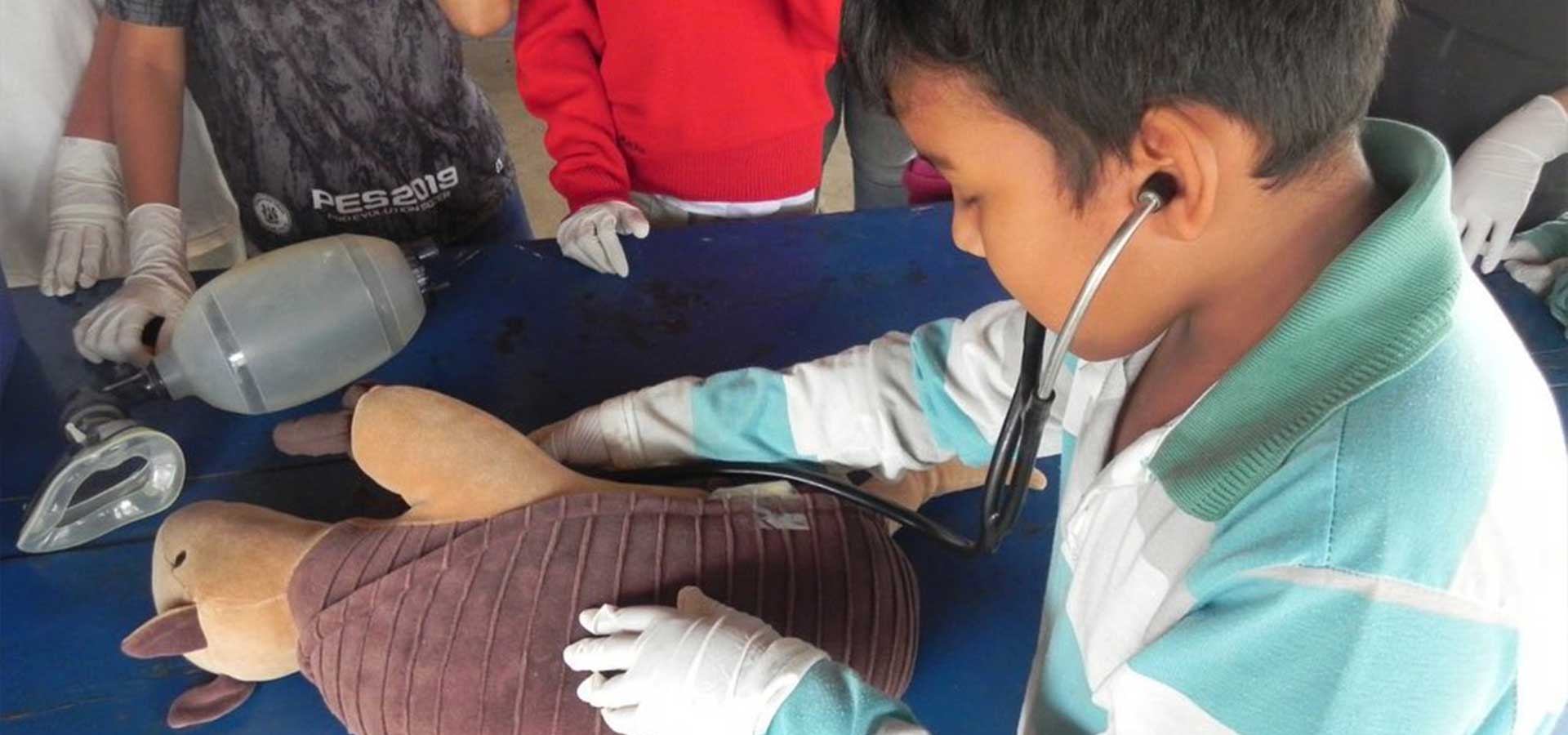
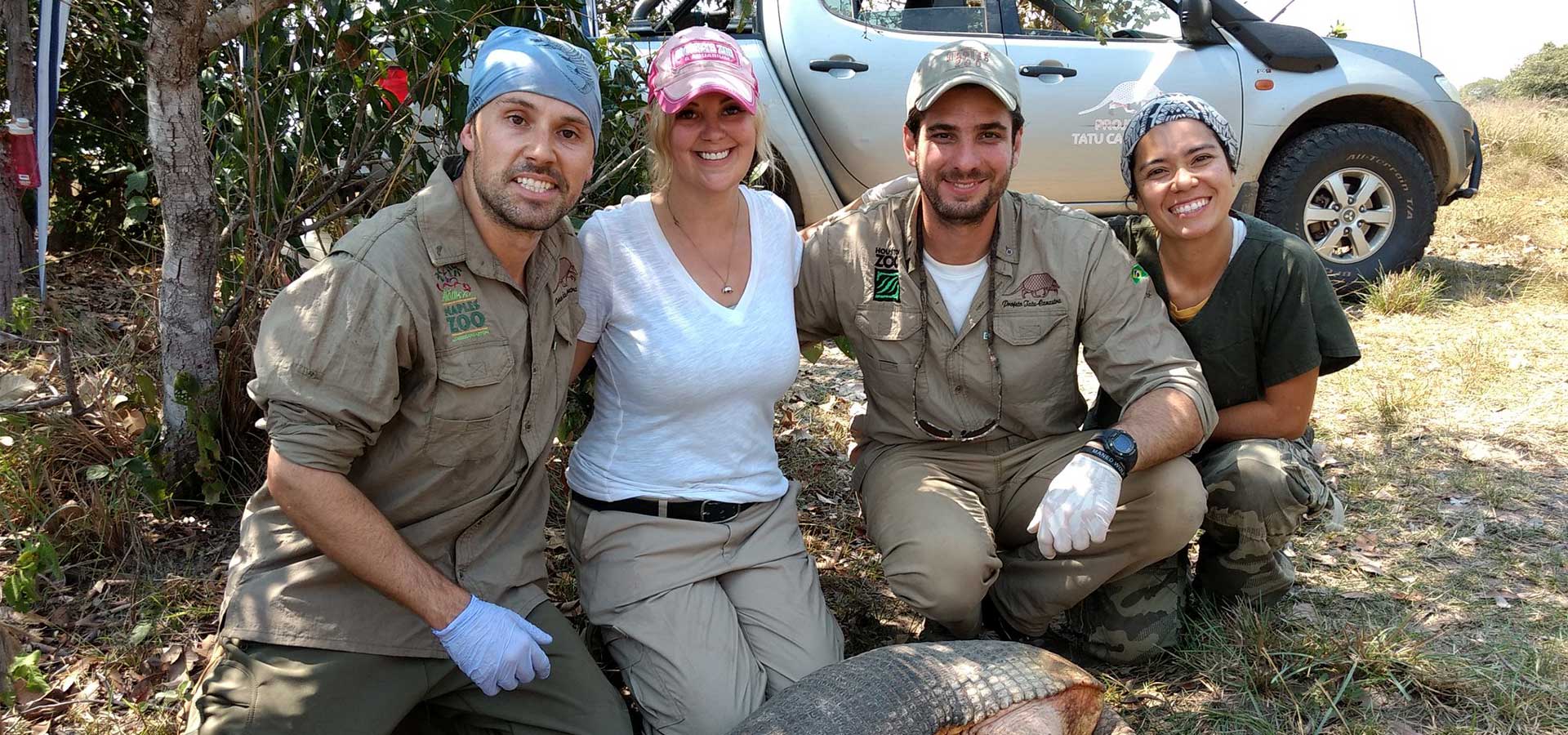
One Health is one of the pillars of the Wild Animal Conservation Institute (ICAS), operating under the premise that the health of wildlife, domestic animals, and human communities is interconnected. The initiative promotes an integrated health approach, combining science, conservation, and the well-being of people and communities living in the Institute’s research areas.
Led by veterinarian and researcher Danilo Kluyber, this initiative expands the scope of ICAS’s actions—traditionally focused on conserving the giant armadillo and the giant anteater—to also include the monitoring of the health of domestic animals and human populations that share the same territory. The goal is to build a detailed picture of health conditions in the regions where ICAS operates, identify priorities, and plan effective interventions, such as creating a unified vaccination calendar in partnership with municipalities, private organizations, and non-governmental institutions.
An innovative aspect of this work is the giant armadillo’s role as an ecosystem health indicator. ICAS studies have revealed that more than 100 species directly or indirectly use the burrows dug by this animal, making it an important source of data on local biodiversity. By monitoring the health of giant armadillos, researchers can obtain valuable information about other species sharing their habitat, offering a comprehensive view of environmental conditions.
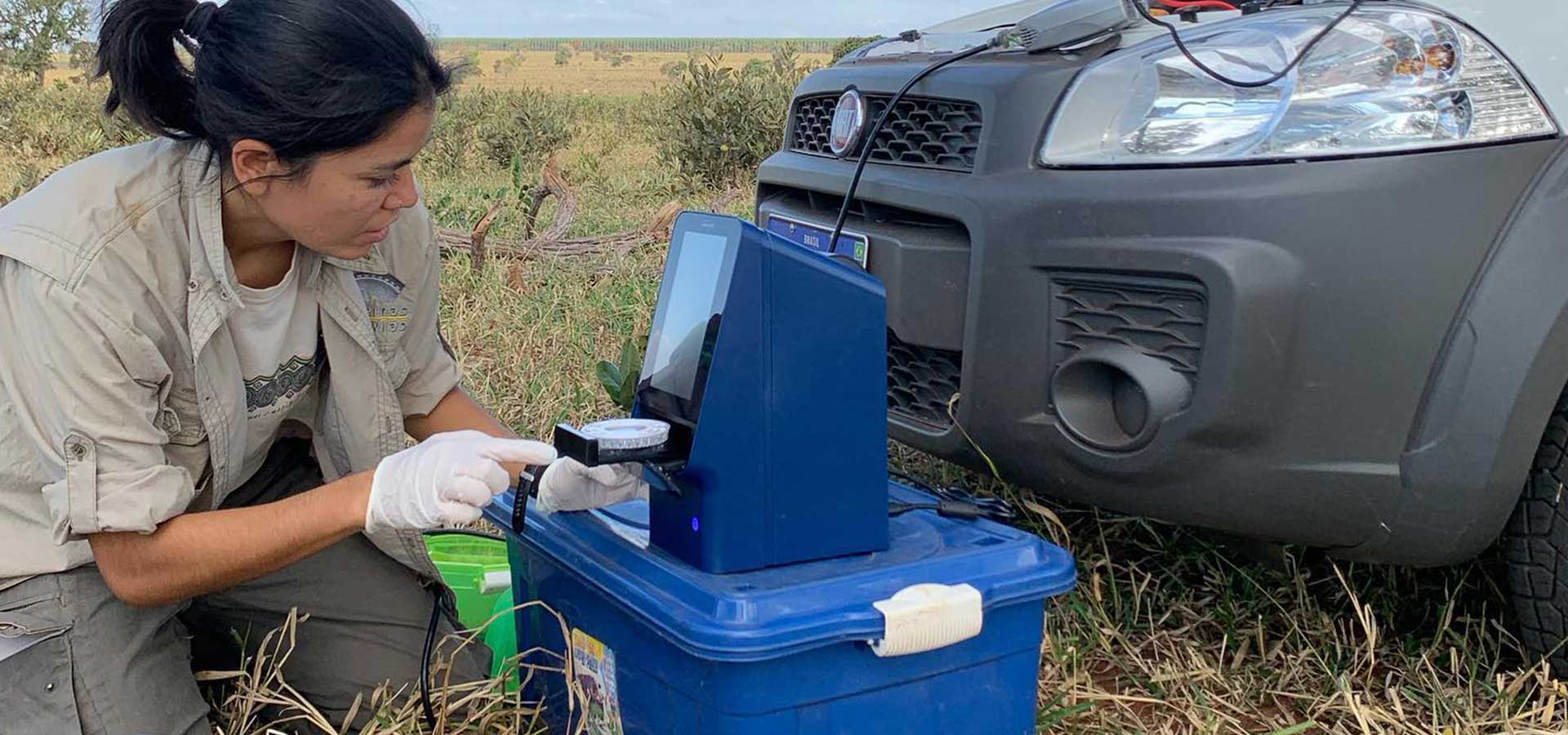
To date, biological samples have been collected from giant armadillos in the Cerrado and Pantanal, as well as from dogs and humans living in the same regions. Teams composed of doctors and nurses conduct clinical examinations and apply questionnaires to identify possible diseases or health conditions among local communities. The initiative relies on key support from partners such as the municipalities of Aquidauana and Três Lagoas, which collaborate on public health efforts including vaccination and rapid testing. Rural properties such as Fazenda Primavera and Baía das Pedrasalso provide logistical support for the field activities scheduled for the second half of August.
The One Health concept, which integrates multiple fields of knowledge to promote ecosystem-wide health, guides all project actions. The information generated contributes to setting priorities in public health and conservation, creating benefits both for biodiversity and for the human communities living in these regions. The success of the initiative results from the joint work of public institutions, rural landowners, and local communities, reinforcing ICAS’s commitment to an integrated and sustainable approach to protecting wildlife and human well-being.
OUR PROJECTS
ICAS partners with a variety of organizations, institutions and individuals to support community-led conservation projects that benefit both wildlife and local communities in Brazil. We deeply value all our partnerships – past and present – as they fuel our initiatives. This impactful work is only possible with the collaboration of our partners.
Partnerships that strengthen — because conservation is achieved together!