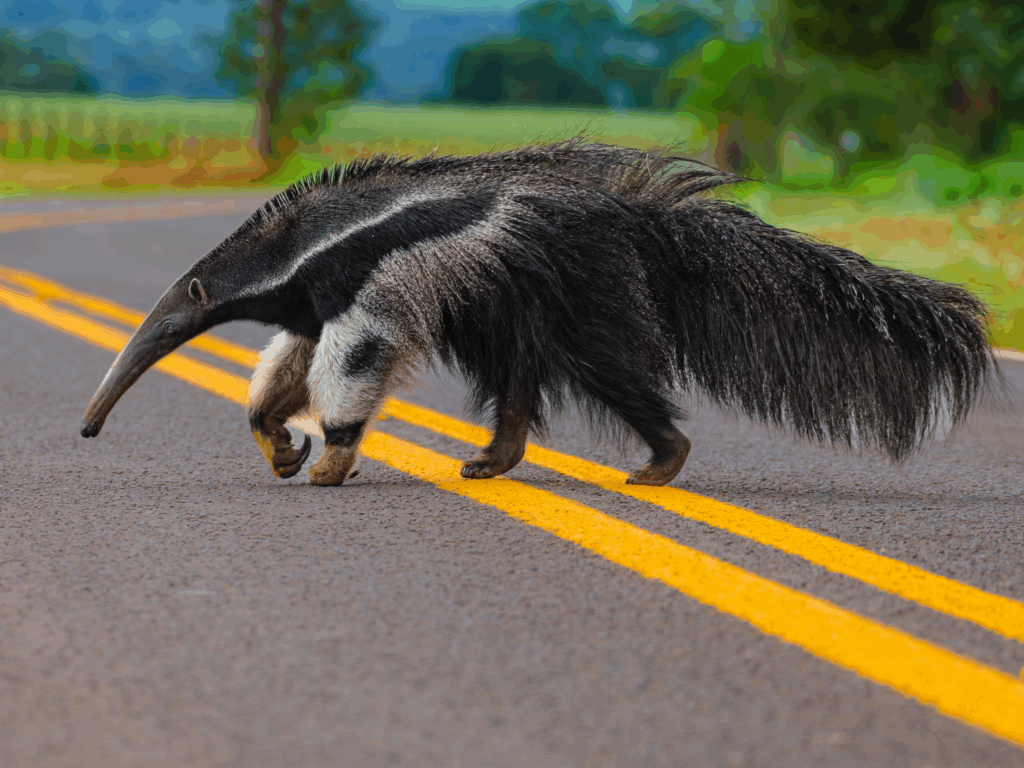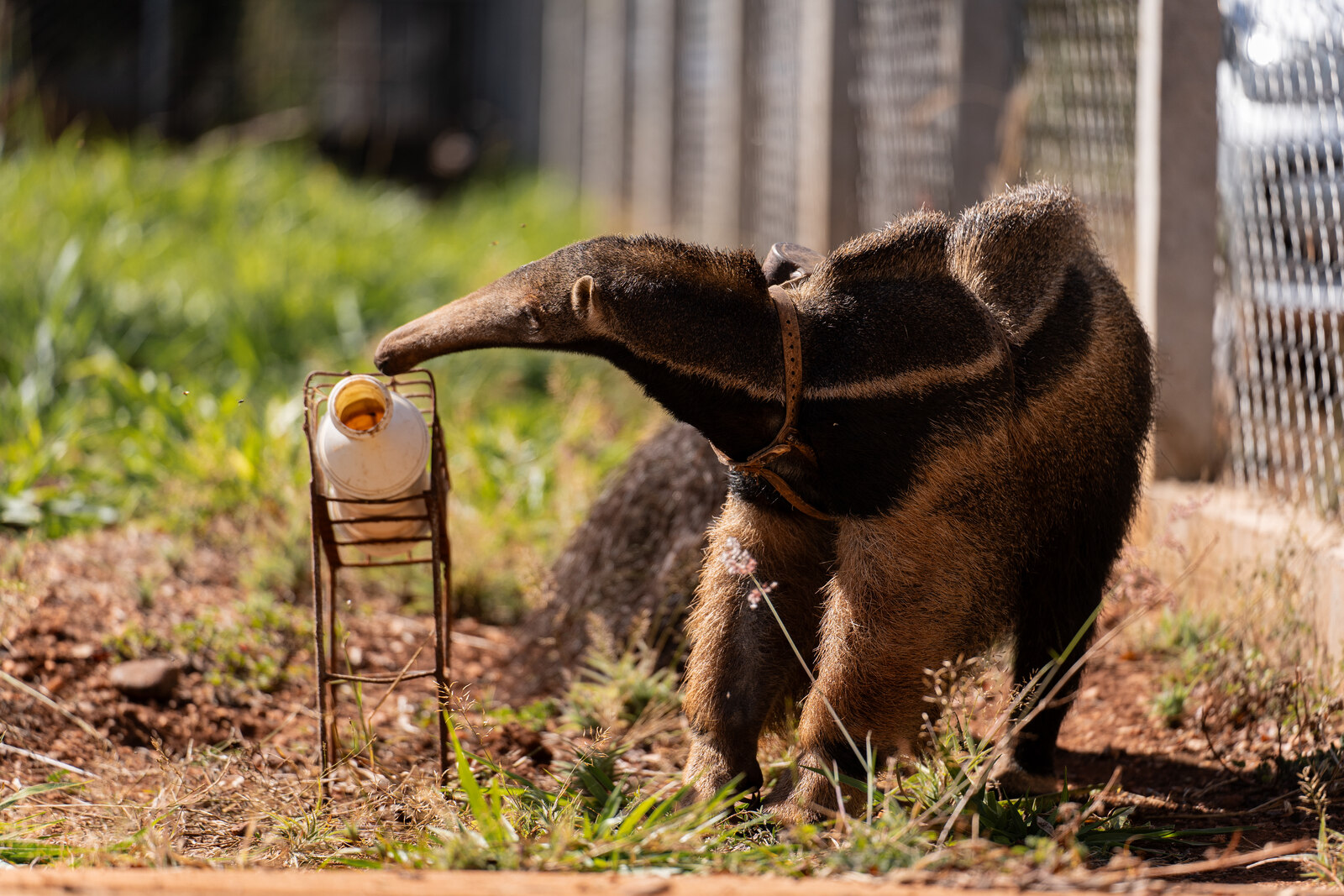

The Giant Anteater Conservation Program, led by the Wild Animal Conservation Institute (ICAS) and its partners, brings together innovative projects that combine science, technology, and community action to protect the species, which is highly vulnerable to road collisions and habitat loss.
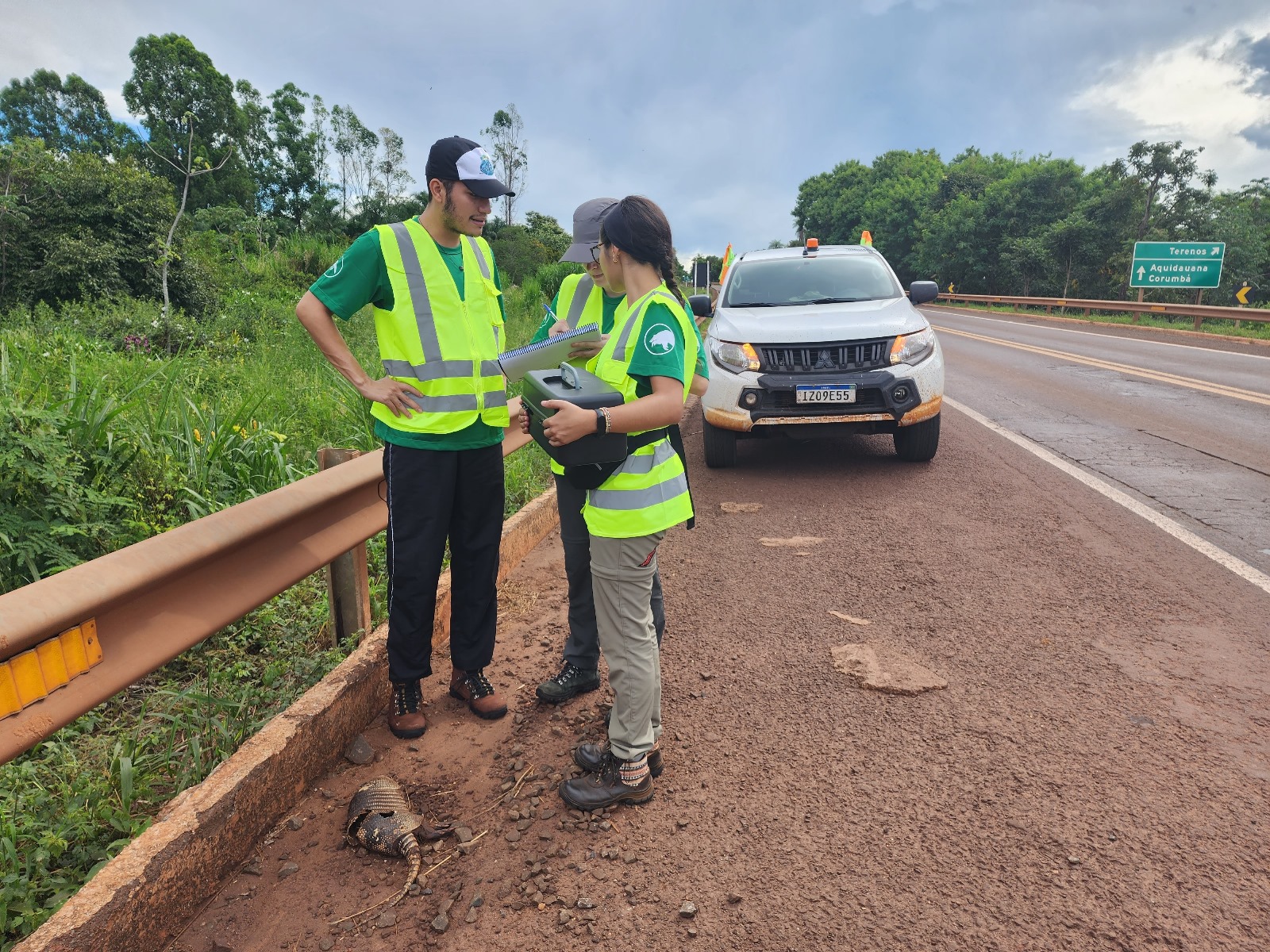
The project’s first objective was to quantify and analyze the ecological and social impacts of vehicle collisions. Between 2017 and 2020, approximately 85,000 km of highways in the state were monitored, recording the deaths of 12,400 wild animals. Of these, 40% presented an accident risk involving property damage and risks to both animal and human life, including species such as giant anteaters, tapirs, and capybaras.
Underreporting: These numbers are minimum estimates, as our studies show that approximately 25% of carcasses disappear quickly due to predators and decomposition. Furthermore, radio telemetry data shows that half of the giant anteaters that are involved in a collision do not die on the highway. They manage to move 10 to 900 meters away from the impact site and go unnoticed in counts.
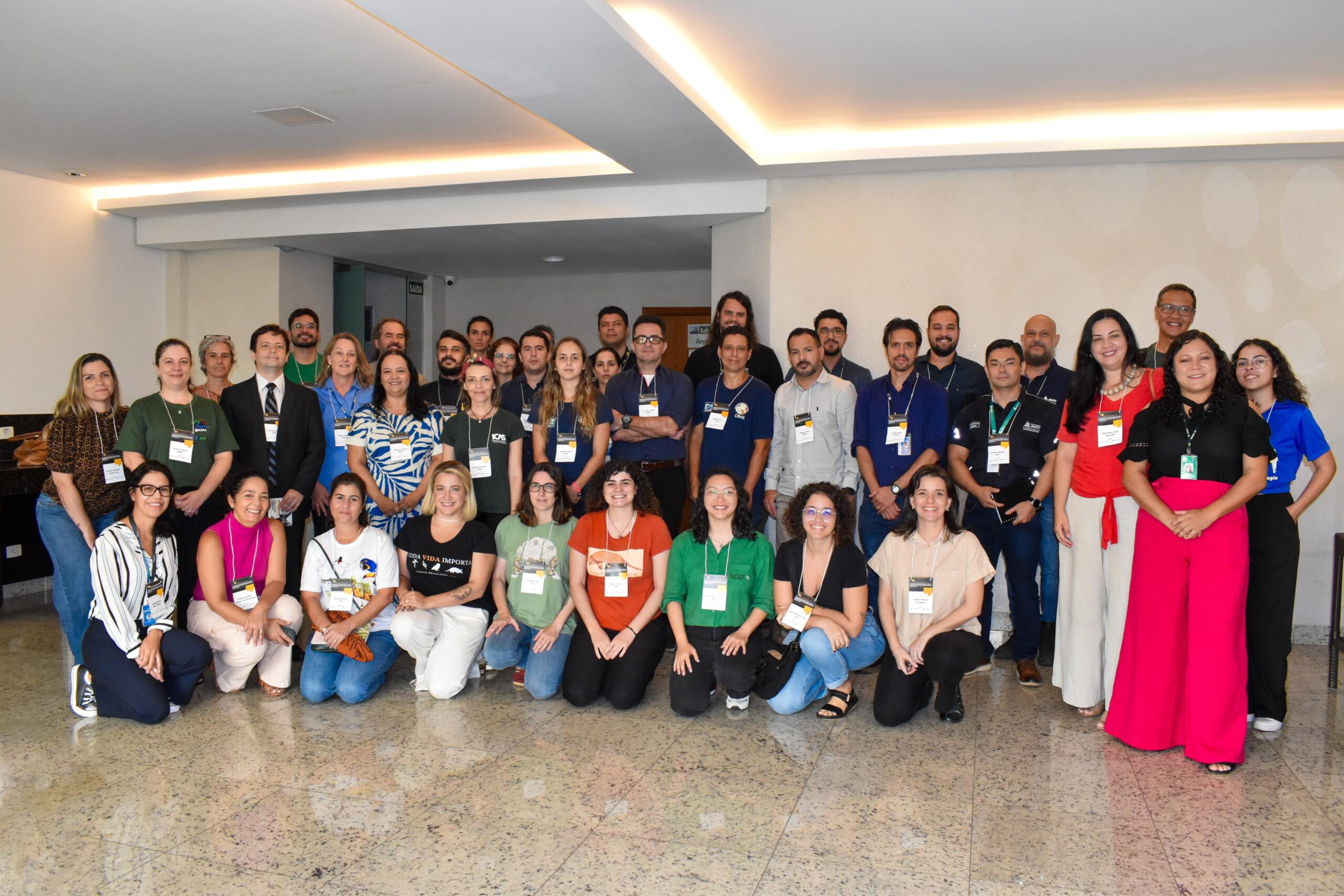
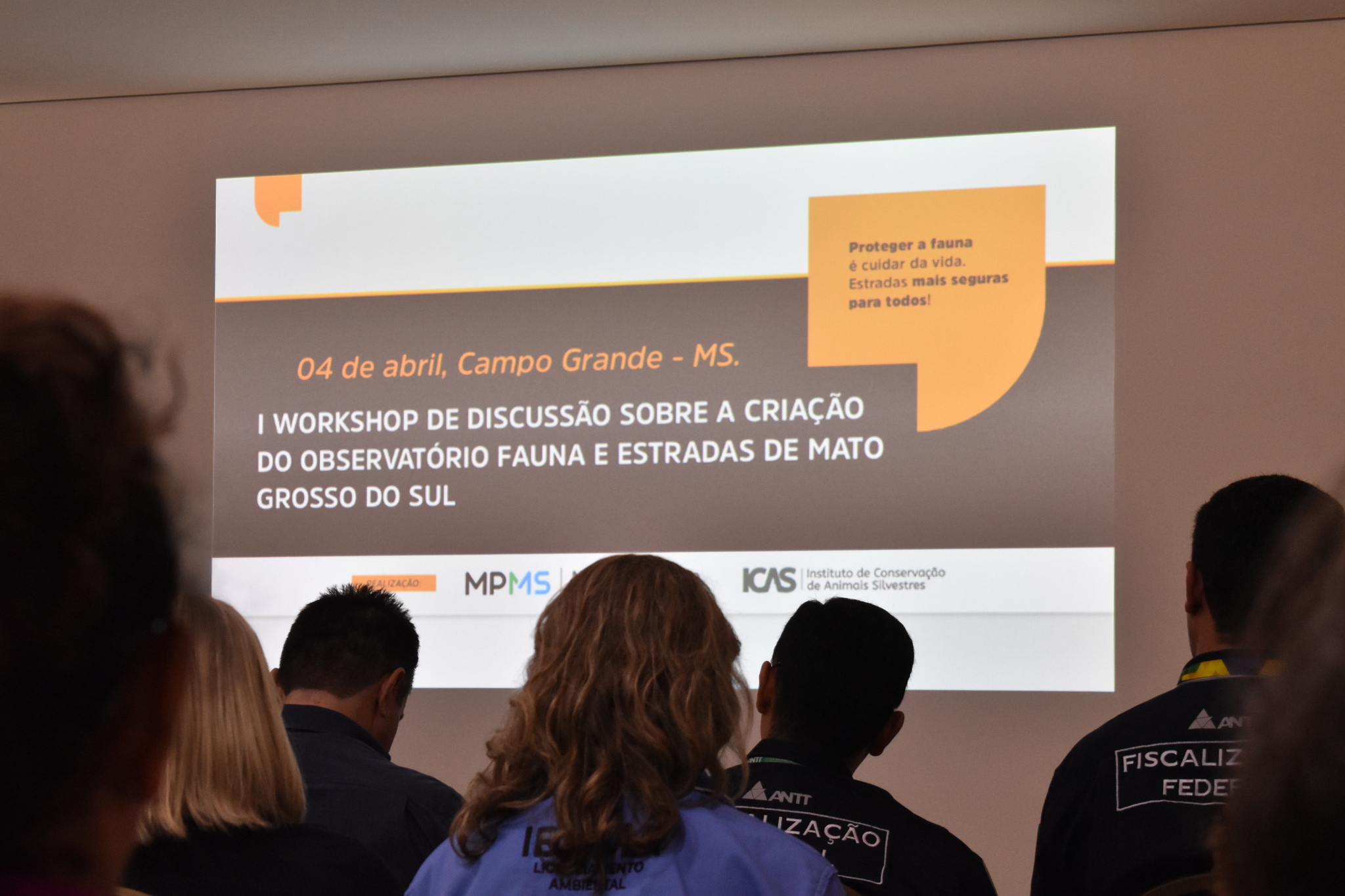
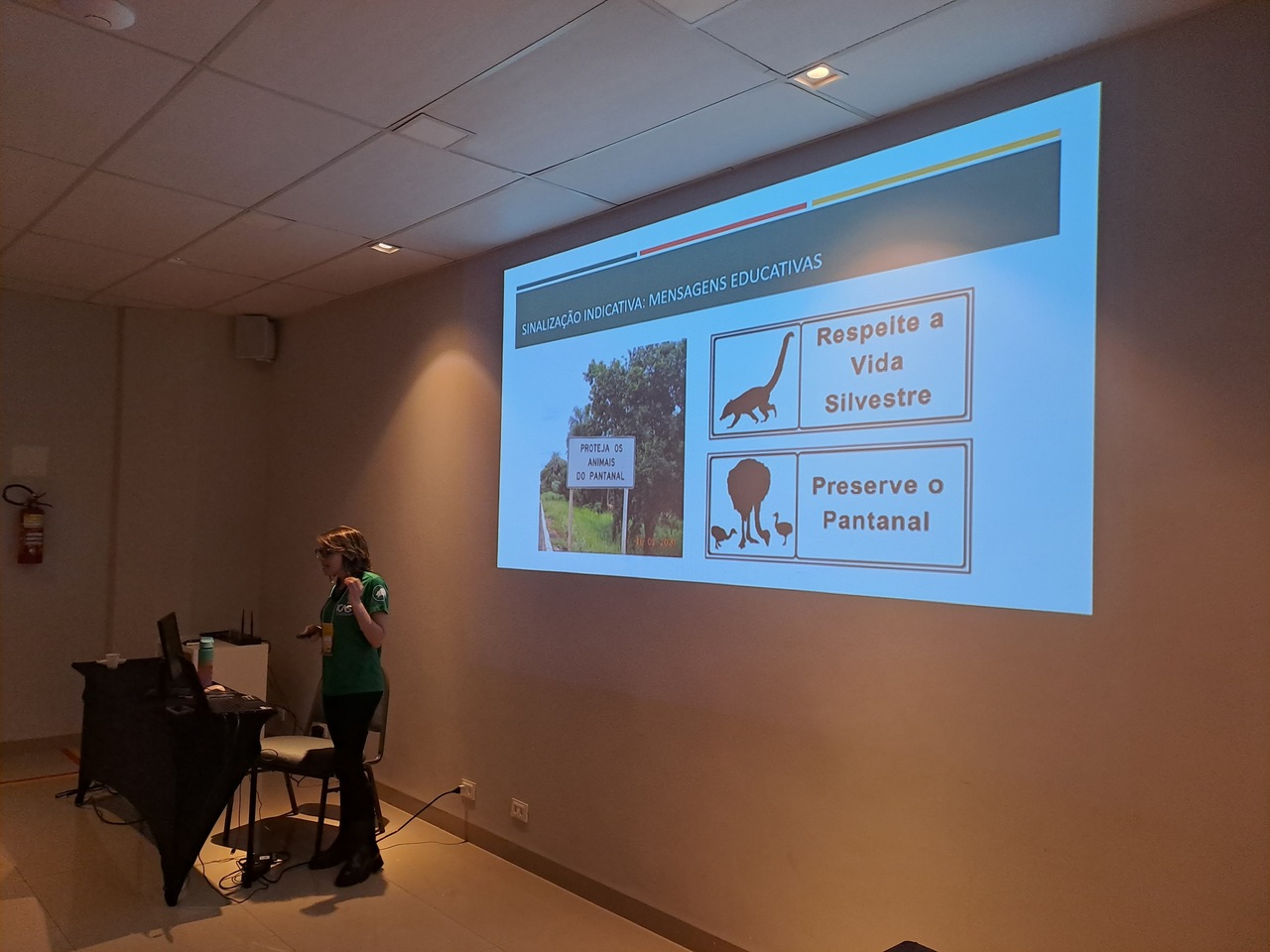
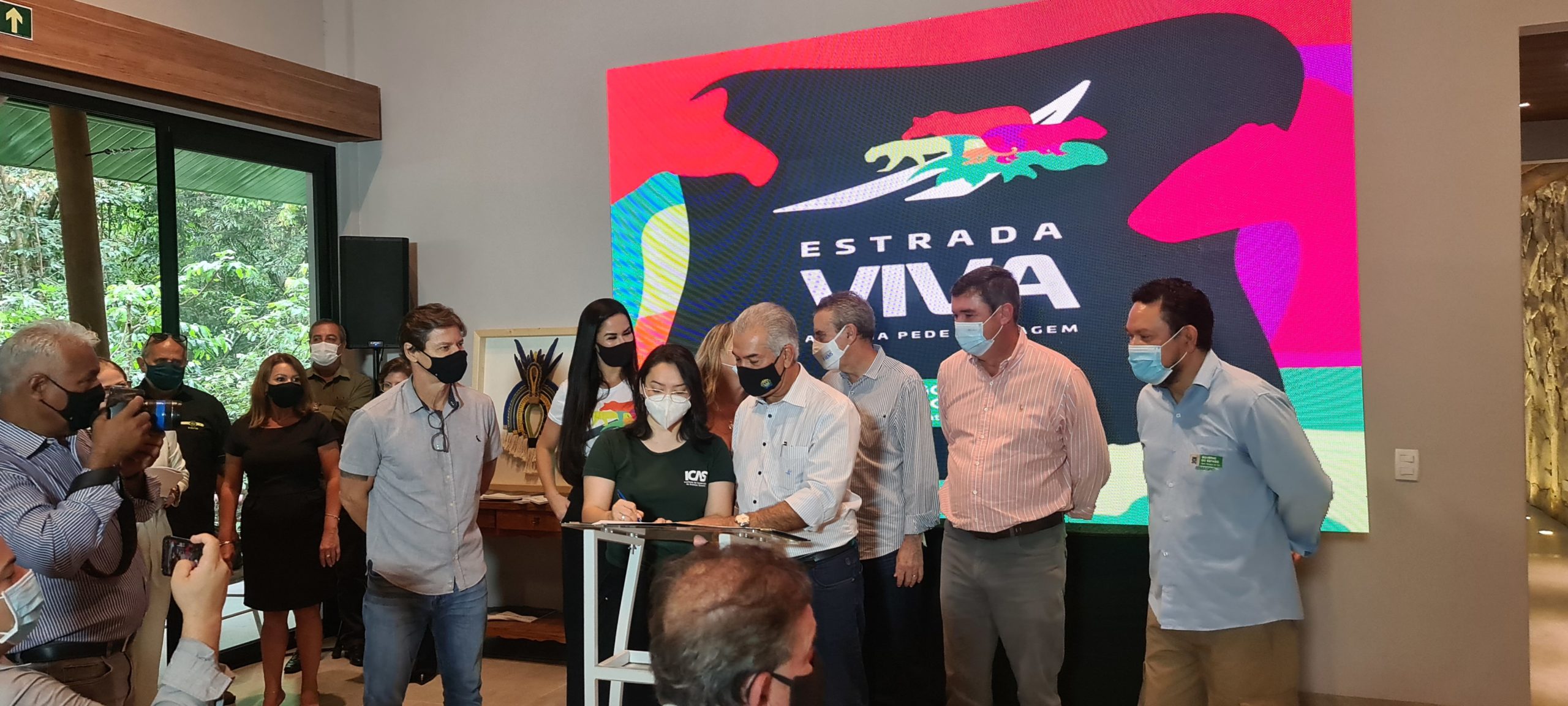
In this phase, the focus was expanded to include the human, institutional, and political dimensions related to wildlife-vehicle collisions. ICAS worked in partnership with public authorities, drivers, businesses, and civil society, promoting coordinated actions to reduce wildlife mortality and minimize the risks and impacts to drivers.
The current phase of the project seeks to implement innovative solutions to mitigate the impacts of highways on wildlife and increase road safety. Some of the main initiatives include:
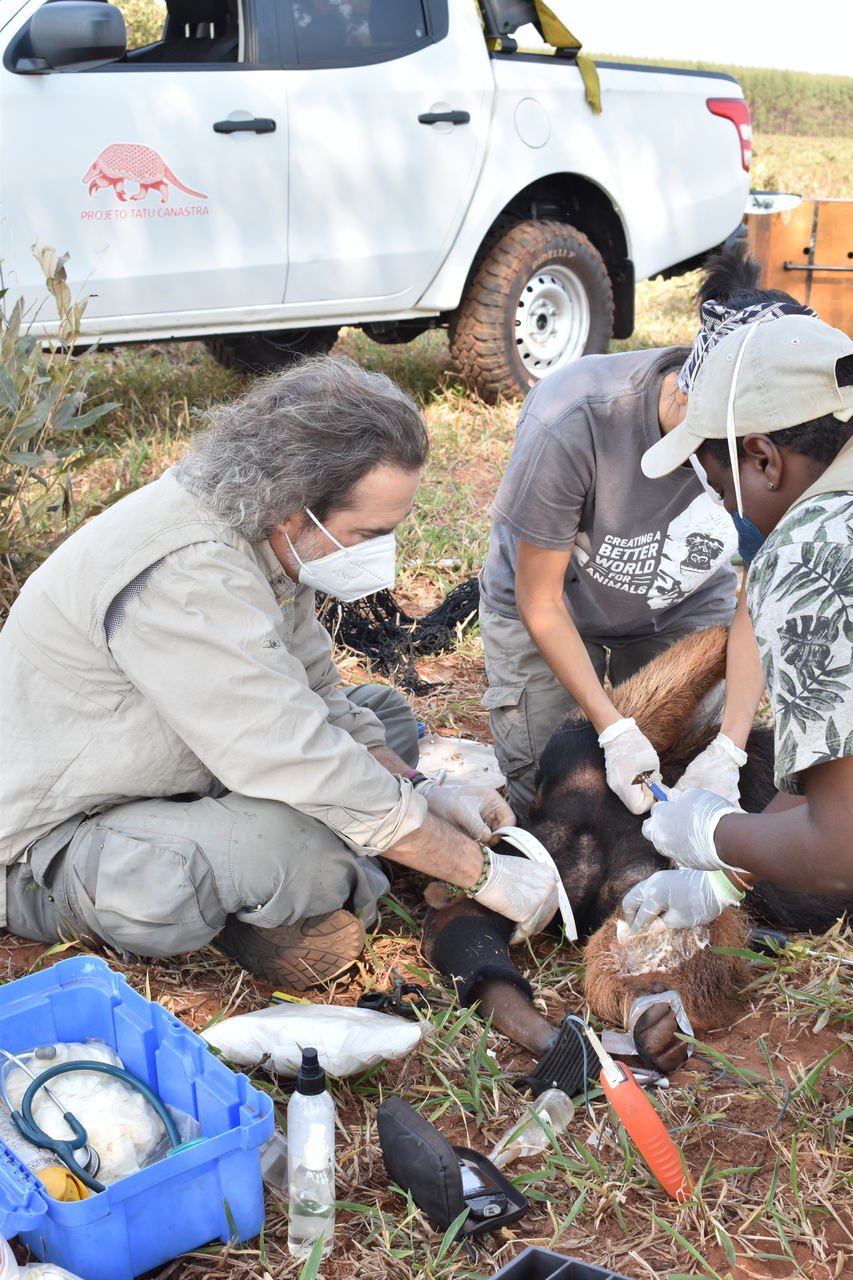
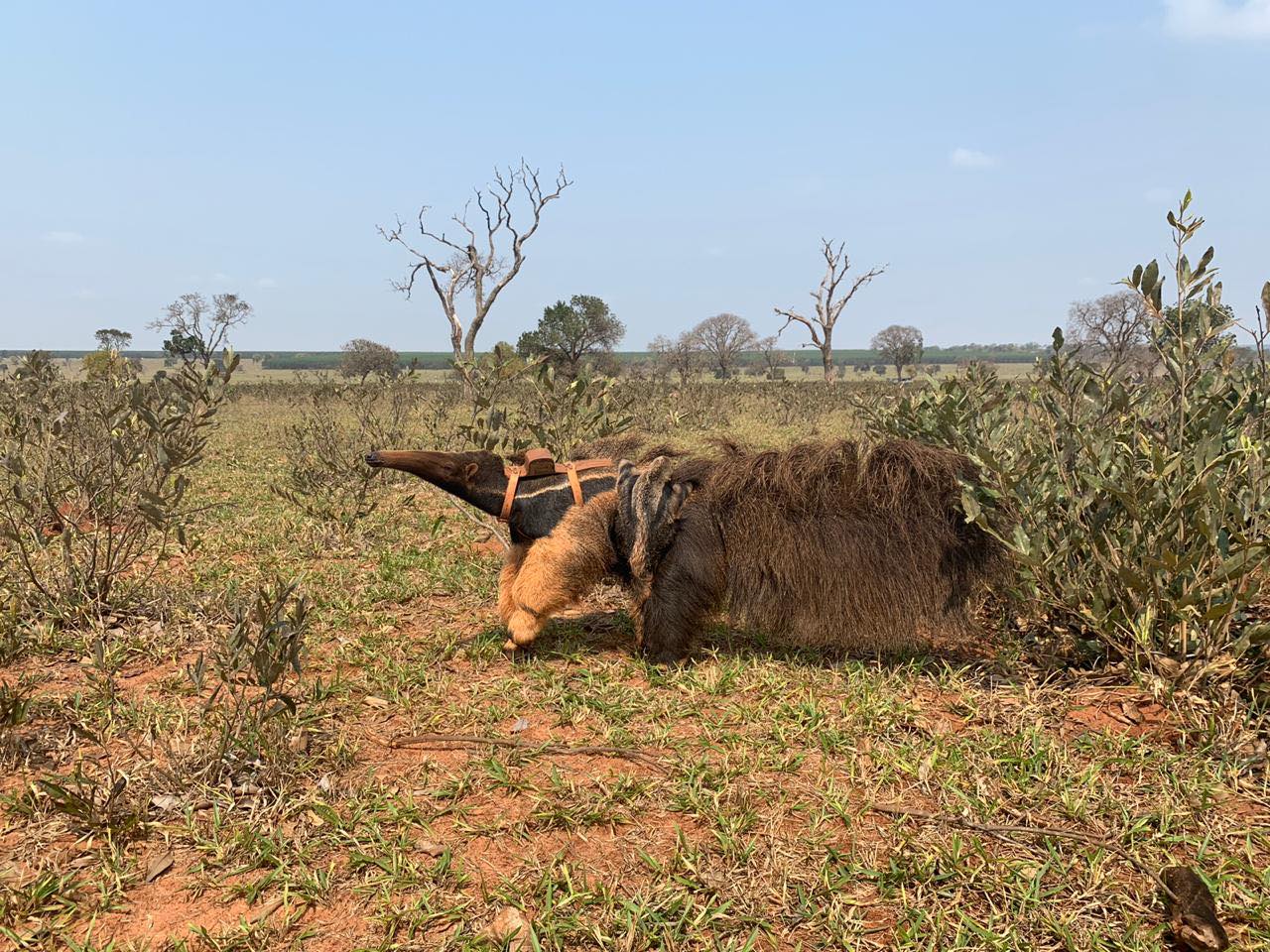
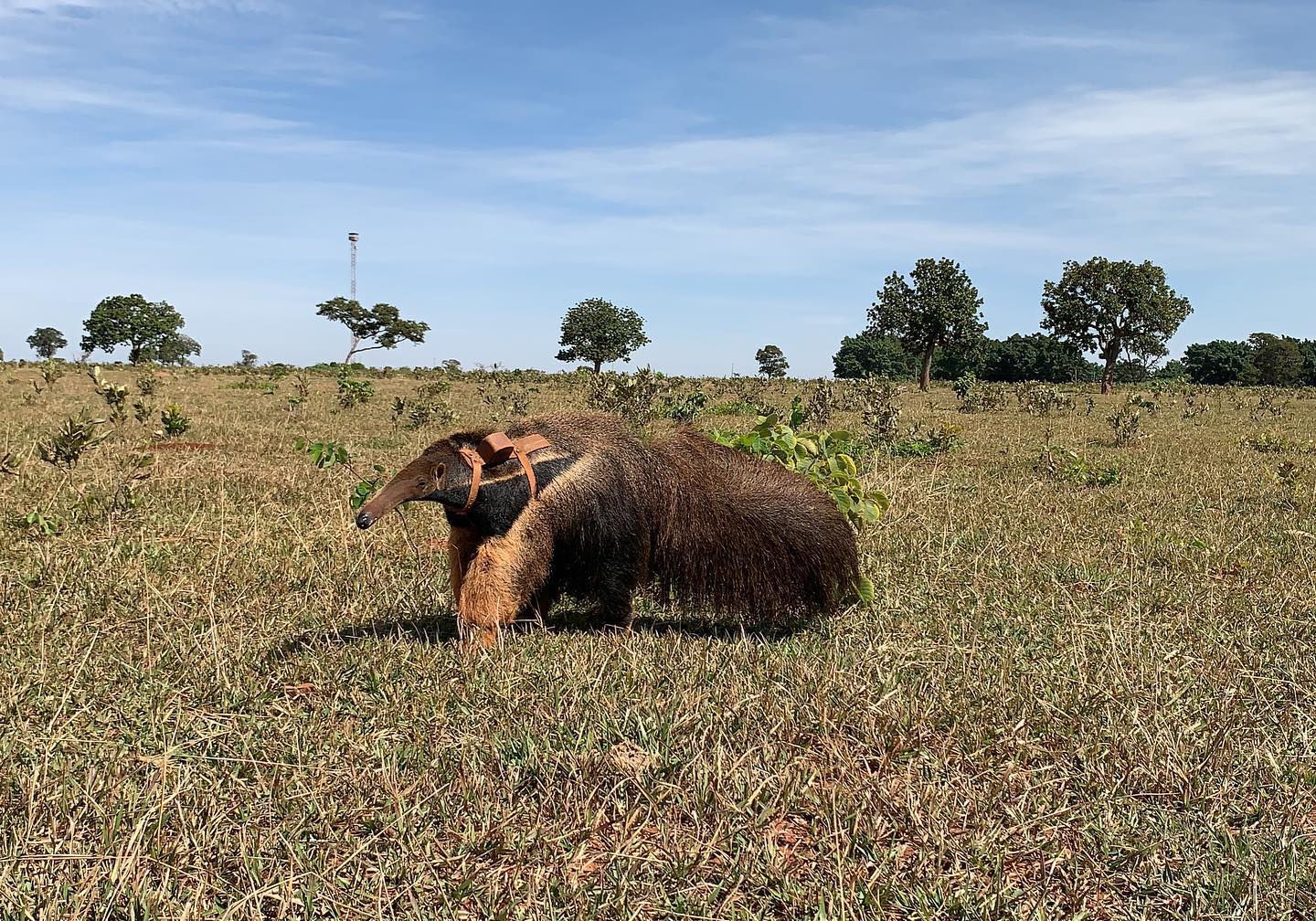
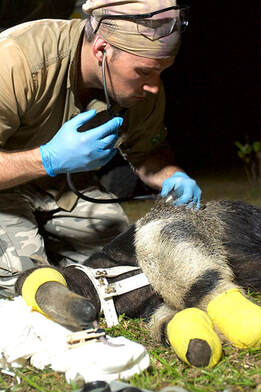
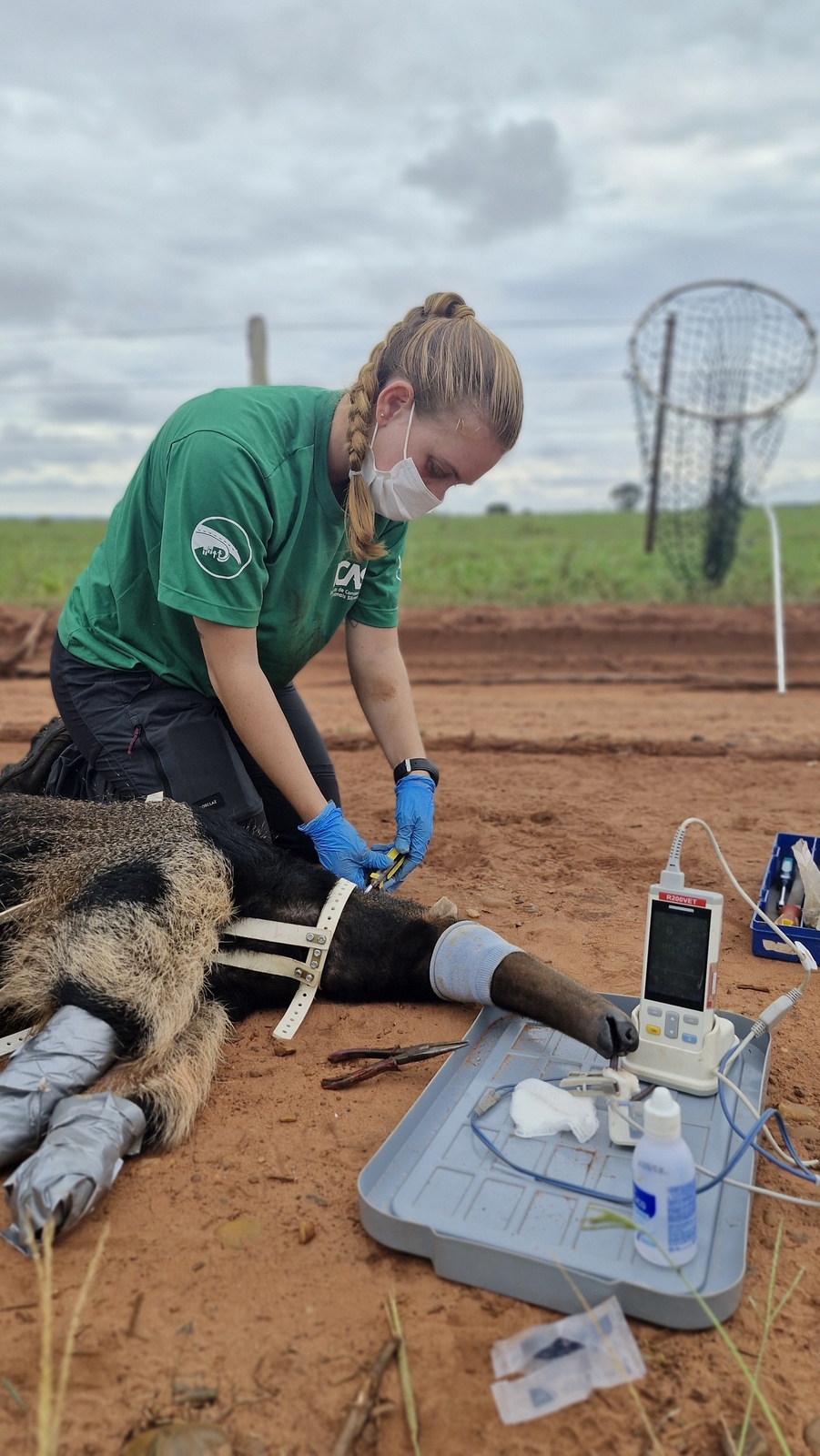
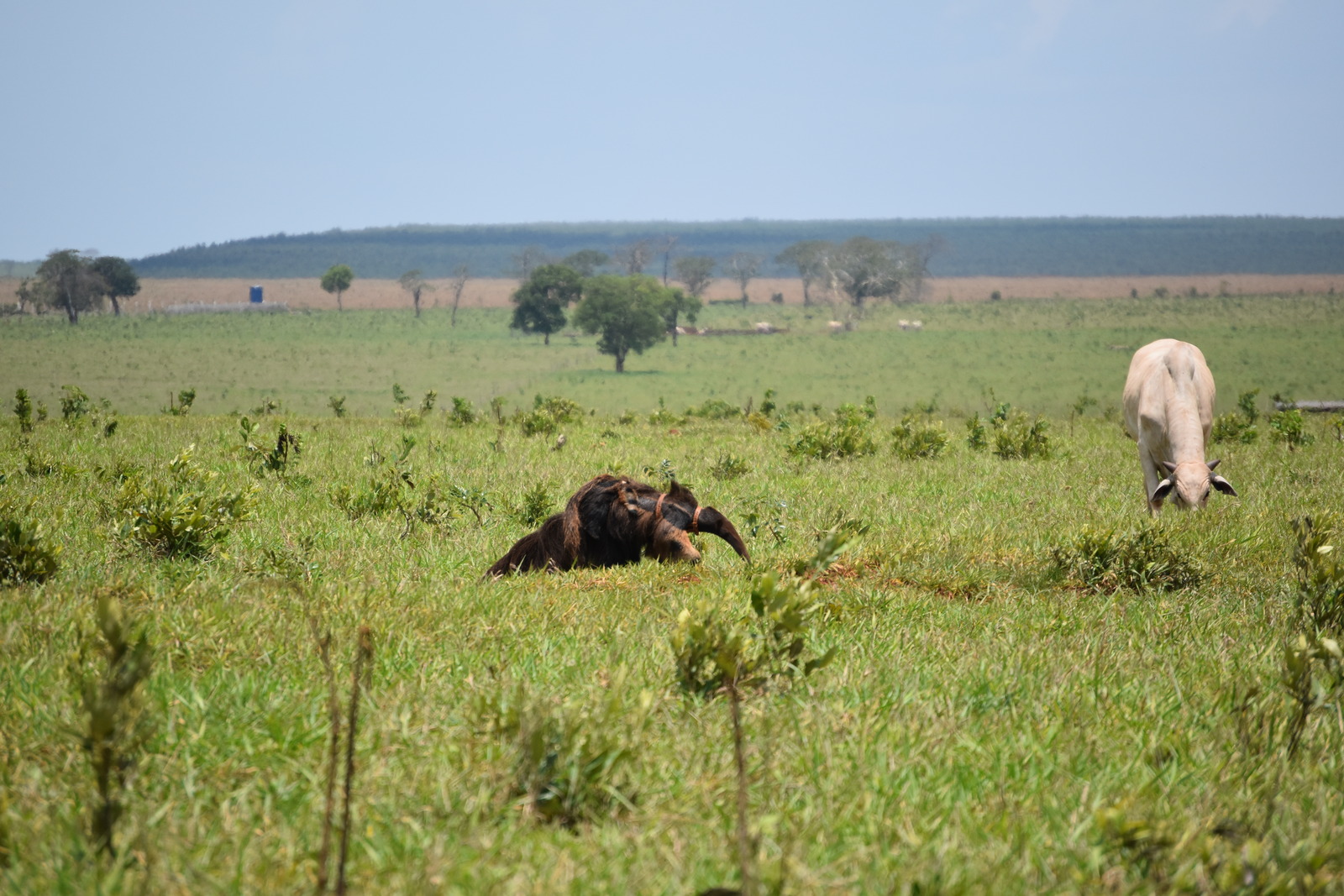
The Anteaters as Ecological Detectives Project is an innovative initiative of the Wild Animal Conservation Institute (ICAS) that seeks to understand the movement and behavior of giant anteaters in the Brazilian Cerrado. Since 2017, ICAS researchers have monitored more than 100 giant anteaters using harnesses equipped with GPS and VHF technology that record their location every 20 minutes. This continuous tracking is essential for understanding their movement patterns, as well as developing effective conservation and protection strategies for the species.
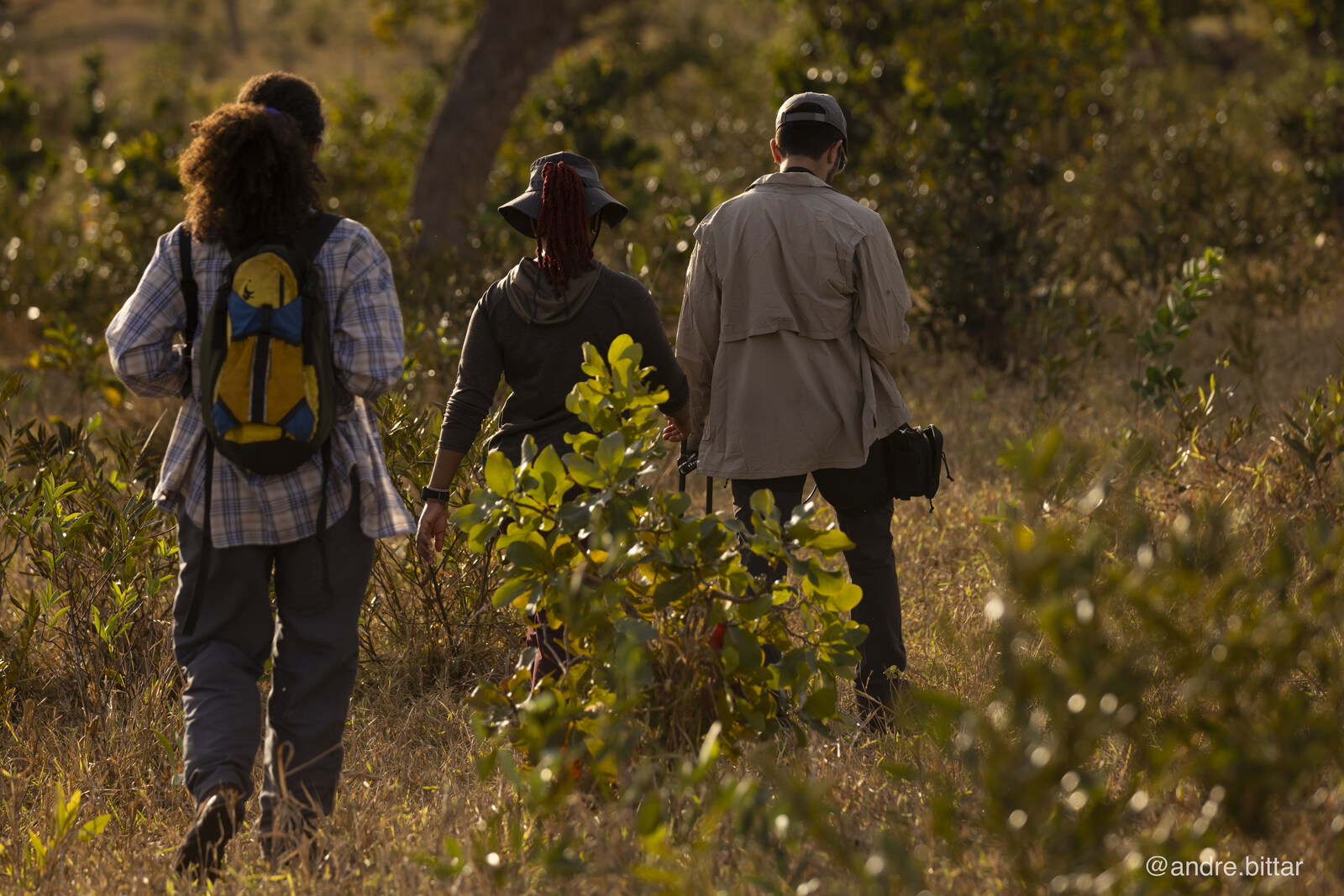
The initiative focuses its efforts especially on individuals in the dispersal phase—the period when young anteaters leave their initial home range in search of new territories. By tracking these animals across a landscape increasingly fragmented by highways, extensive monoculture plantations, and urban areas, researchers can map their routes and analyze how they interact with different types of environments, identifying which areas still allow their passage and which have become barriers to their movement. Another benefit to these monitoring data is the identification of the vulnerabilities the species faces at this stage of its life.
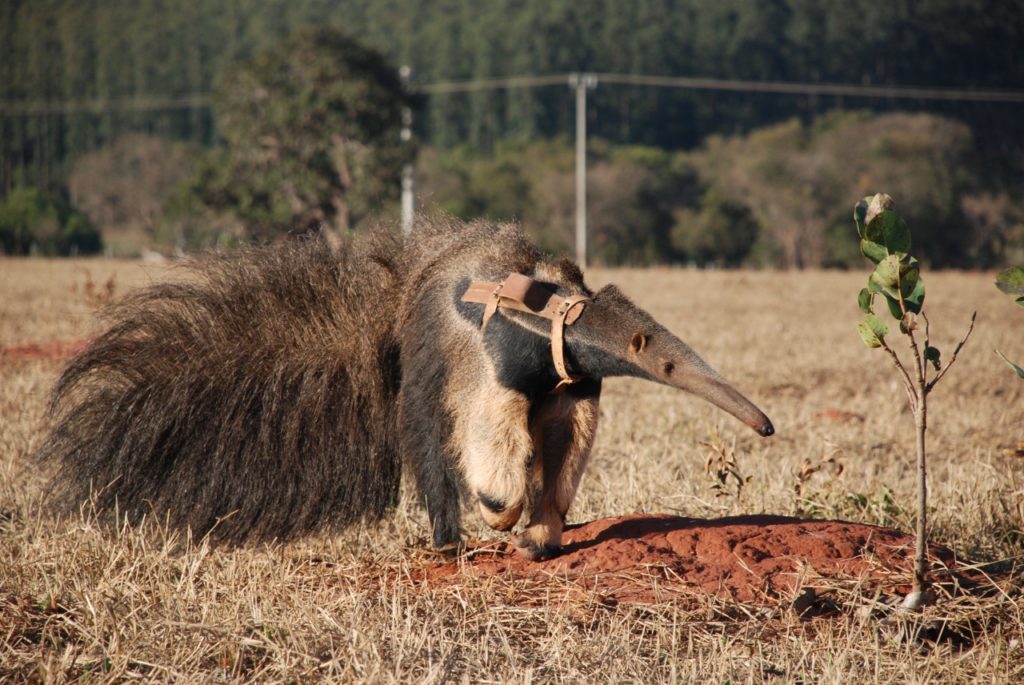
Referred to as “ecological detectives,” these anteaters help provide valuable information about landscape permeability, enabling the planning of wildlife corridors that ensure connectivity between habitat fragments. Since May 2024, the project has also been operating in the Área de Proteção Ambiental (APA) do Guariroba (or “Guariroba Environmental Protection Area” in English), a region that is more preserved and has less highway interference compared to Nova Andradina, where previous studies were concentrated. In this new study area, economic activities are limited primarily to extensive livestock farming, favoring sustainable land use and offering greater stability to the anteater population. To date, 30 animals have been monitored in the area—and this work will allow researchers to understand in detail aspects such as dispersal, reproductive rate, sexual maturity, longevity, and parental behavior.
With a long-term approach, the Ecological Detectives Project reinforces its fundamental role in the conservation of the giant anteater, demonstrating that science and technology can work together to ensure the protection of biodiversity and the coexistence between wildlife and human activities.
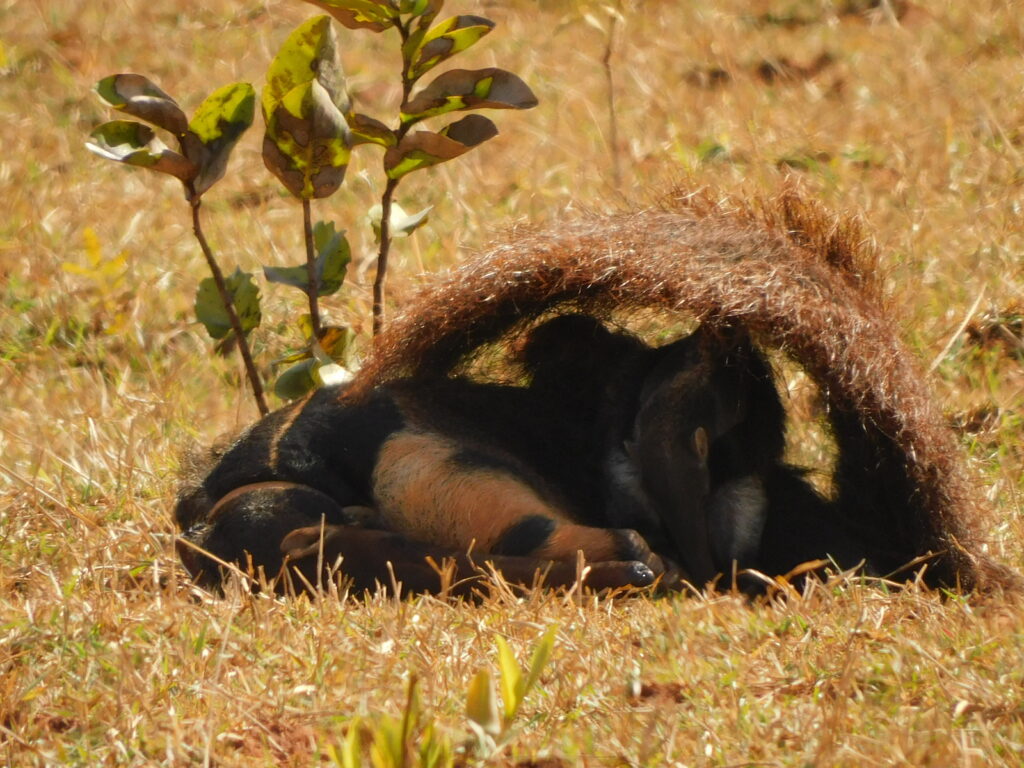
Since August 2021, an unprecedented study has been conducted in the Cerrado region of Mato Grosso do Sul, focusing on the maternal care and behavior of giant anteater (Myrmecophaga tridactyla) females and pups. The goal is to understand the maternal care patterns of these animals, generating fundamental data for their conservation, as young between 0 and 2 months of age are known to have the highest mortality rates. Preliminary results indicate that pups are intensely dependent on their mothers during the first two months of life, a crucial period for their development. This information is valuable for improving the management of the species in captivity and increasing its chances of survival in the wild, contributing to the conservation of giant anteaters in the medium and long term. Behavioral observations also highlight the development of the young’s independence from its mother and key learning experiences.
Furthermore, this research brings new insights into one of the giant anteater’s most striking characteristics: its long, lush tail. The study described 11 distinct tail-related behaviors, most recorded for the first time, documented over 266 hours of field observations conducted between August 2021 and November 2023 in areas of the Cerrado region of Mato Grosso do Sul impacted by human activities.
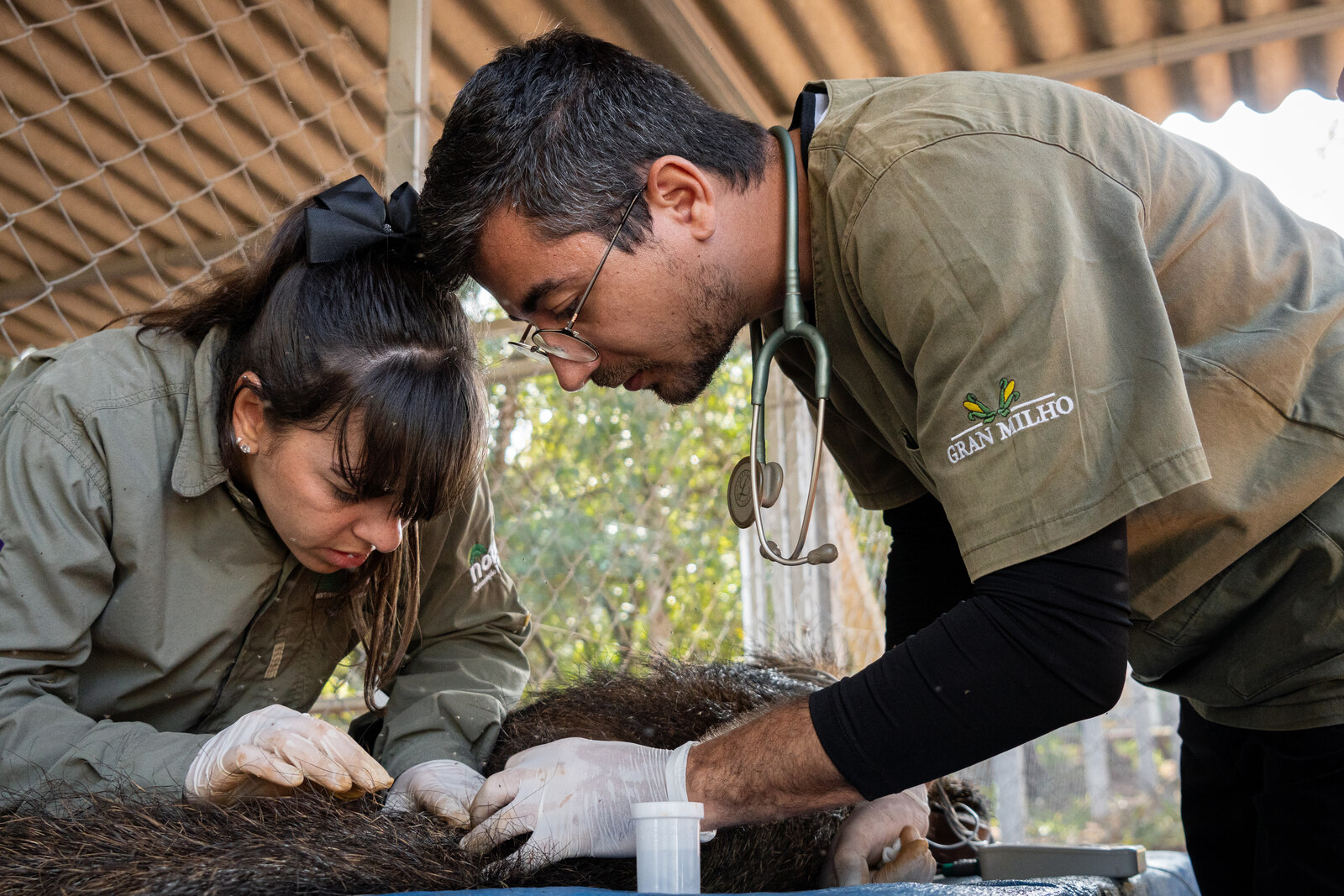
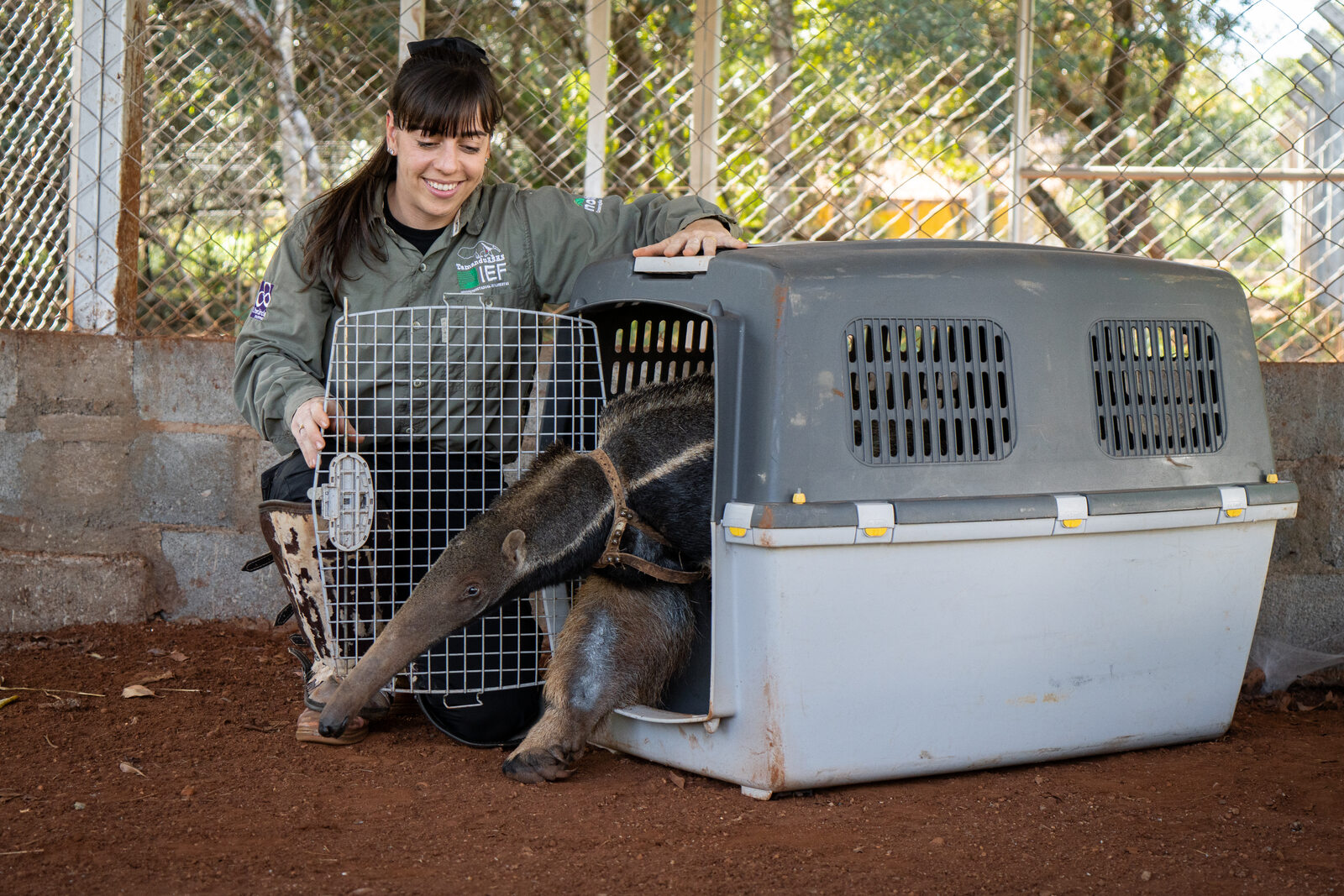
The TamanduASAS Project (a play on the Portuguese words for “anteater” and “wings”) is a pioneering initiative in Brazil dedicated to raising, rehabilitating, and facilitating the monitored release of orphaned giant anteater pups. This has been carried out by the Instituto Estadual de Florestas (IEF, or “State Institute for Forests”), with technical cooperation from Nobilis and the Wild Animal Conservation Institute (ICAS), in Minas Gerais since 2017. Most of these pups lose their mothers in vehicle collisions on Minas Gerais highways, and so the project was created specifically to provide these animals with special care, including nursing, weaning, adaptation, and preparation for their return to the wild. This work is conducted by a multidisciplinary team that has developed specific protocols to ensure the health, well-being, and reintegration of these animals into their natural environment.
In addition to improving the management of the species in captivity, TamanduASAS conducts research and innovations in post-release monitoring. The methodology includes the use of harnesses with GPS trackers and motion-triggered camera traps, allowing giant anteaters to be monitored even after their reintroduction into previously studied areas specifically selected for monitored releases. The project has two release areas in state conservation units. The project’s release methodology, known as soft release, involves the construction of rehabilitation enclosures in the release area and the maintenance of feeders outside the enclosure, ensuring food support while the animals gradually adapt to life in the wild. To date, 24 anteaters have been reintroduced, and each experience contributes important lessons for the conservation of the species.
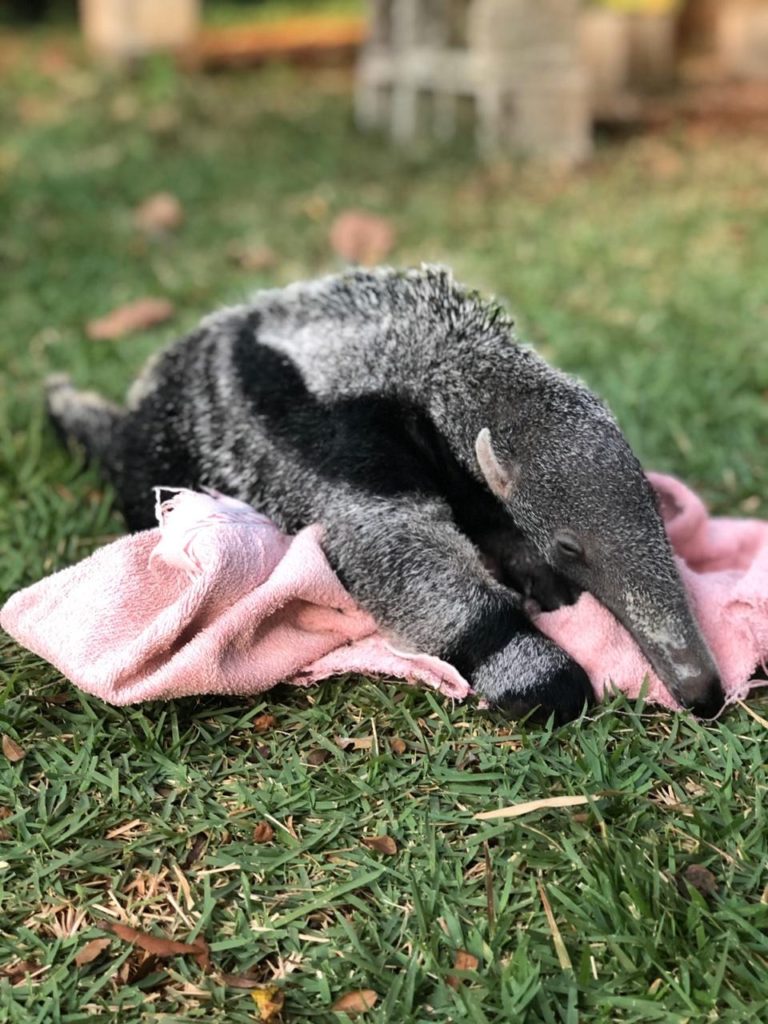
The project also works to engage rural landowners, encouraging the creation of rehabilitation areas, conservation units, and the development of wildlife corridors, as seen with the creation of the Retiro Águas Vivas Private Natural Heritage Reserve (RPPN in Portuguese) in the buffer zone of Pau Furado State Park in the municipalities of Uberlândia and Araguari, as well as the restructuring of the Jacob RPPN in the municipality of Nova Ponte. All this work is integrated into the Plano de Ação Nacional para a Conservação do Tamanduá-Bandeira (or “National Action Plan for the Conservation of the Giant Anteater” in English), which establishes priority strategies for protecting the species in Brazil. TamanduASAS demonstrates that, with technical expertise, dedication, and strategic partnerships, it is possible to unite science, conservation, and animal welfare to ensure a safer future for the giant anteater and Brazilian biodiversity.