
The conservation of biodiversity is one of the greatest environmental challenges of our time. It ensures nature’s balance by maintaining species, habitats, and their interactions — including those with humans.
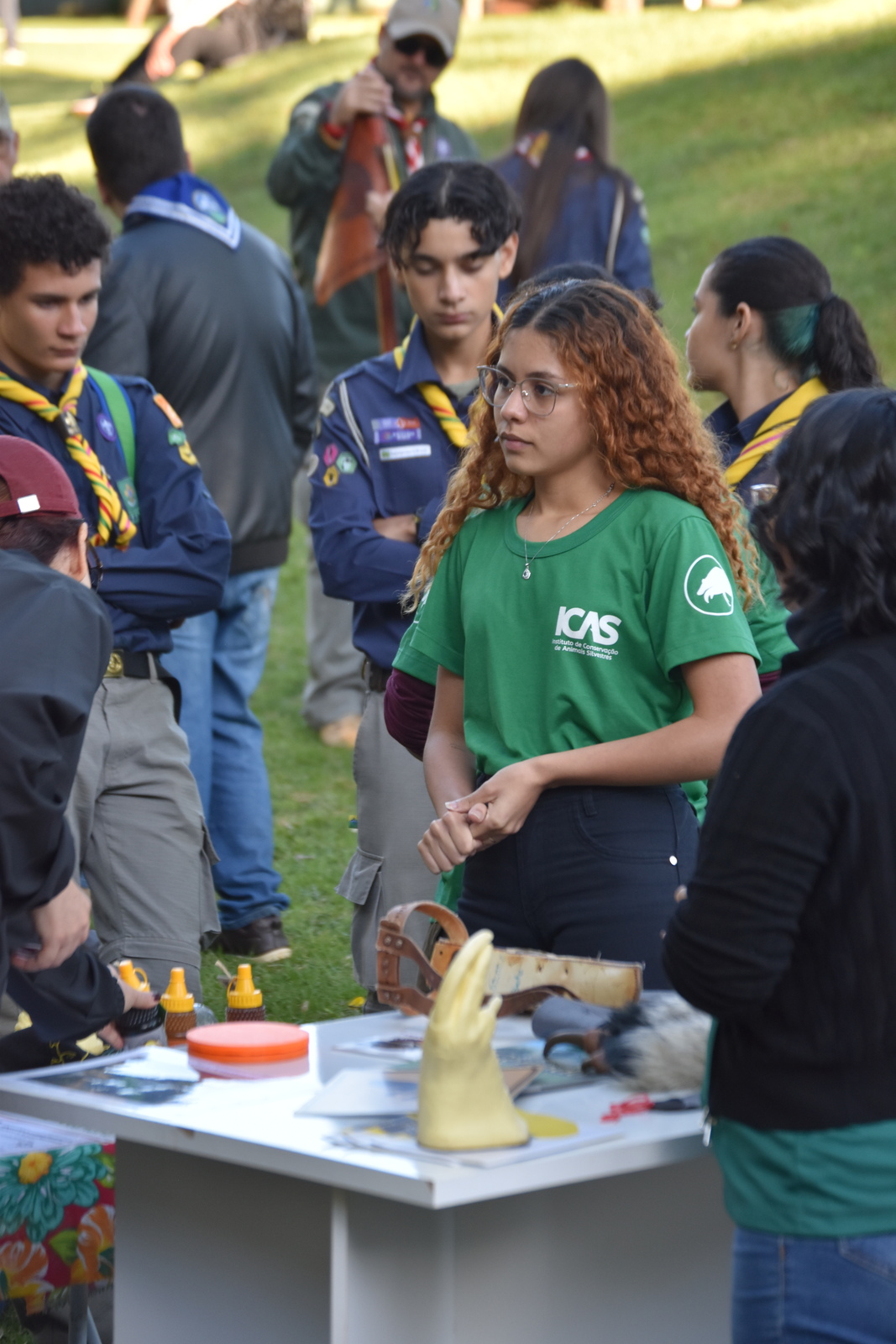
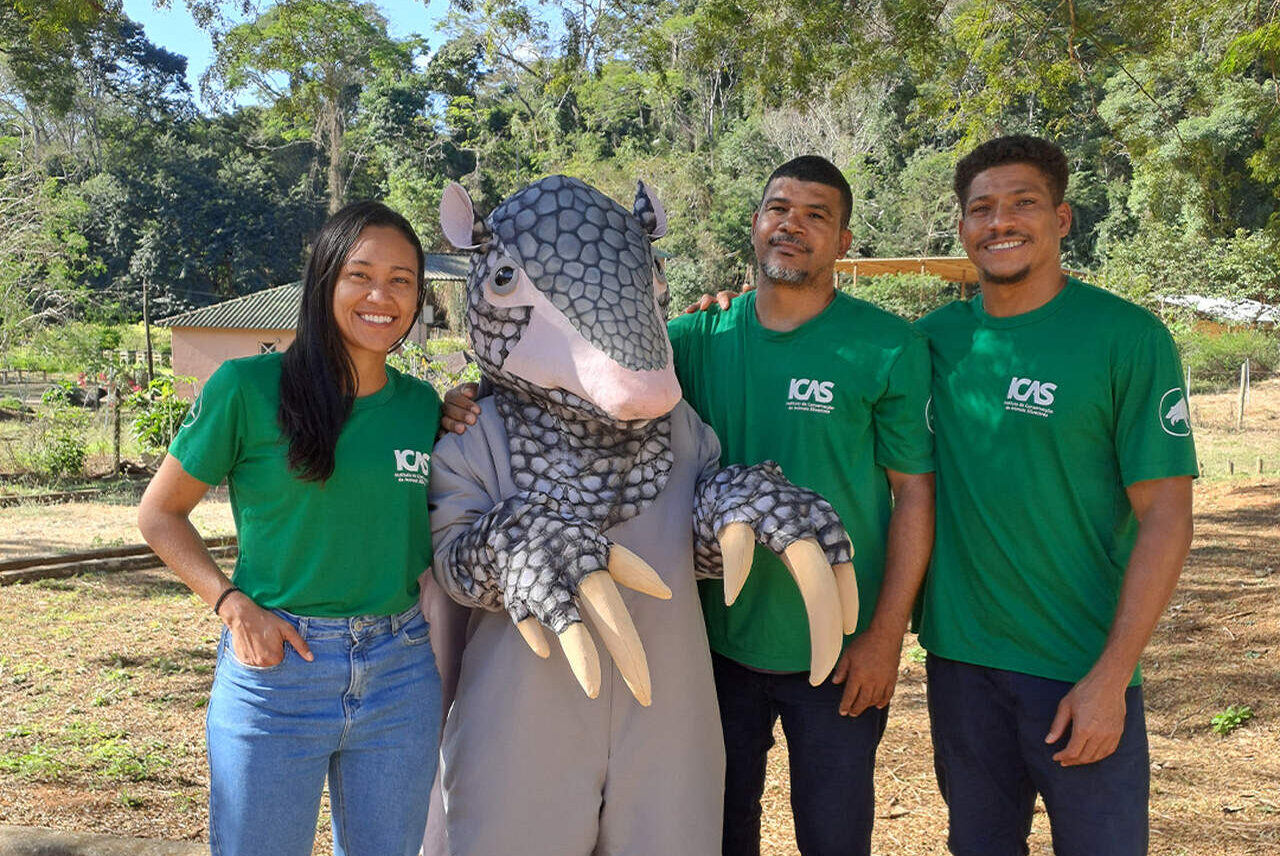
To strengthen this commitment, Fubá Environmental Education leads the education and communication initiatives of the Wild Animal Conservation Institute (ICAS), promoting activities with schools, communities, and training programs for educators in the areas where the Giant Armadillo and Giant Anteater Conservation Programs operate.
Environmental Education: an essential pillar in biodiversity conservation
Biodiversity conservation is one of the most relevant environmental issues today, as it is directly linked to the balance of ecosystems, the maintenance of species, and the complex interactions that, in turn, involve humans.
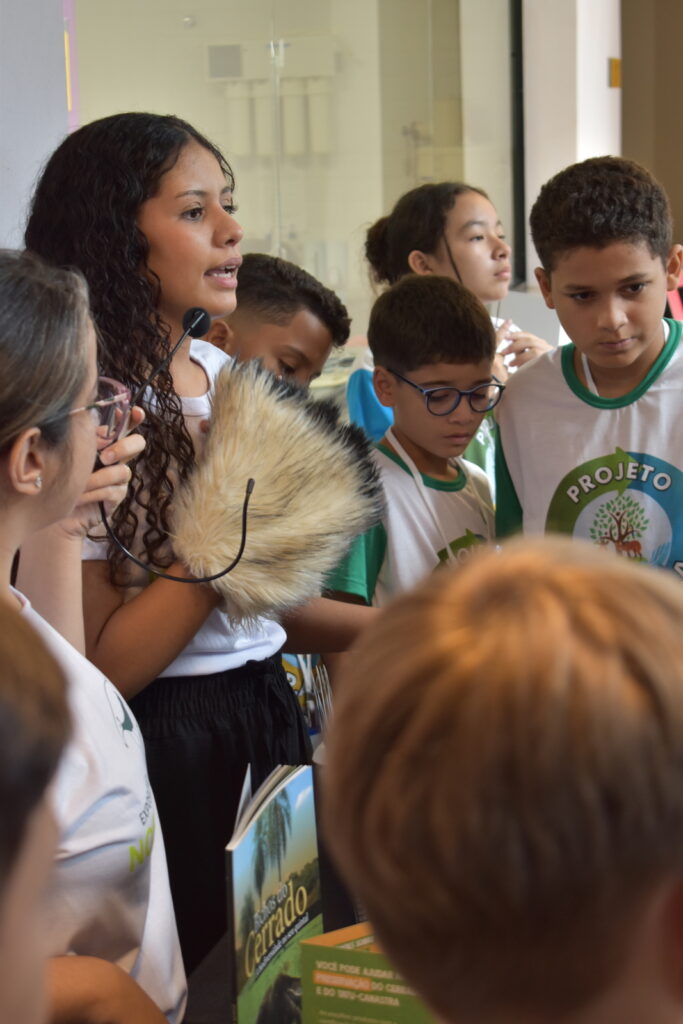
Discover our educational initiatives!
At the Wild Animal Conservation Institute (ICAS), environmental education is recognized as one of the fundamental pillars of all research and conservation projects. Through education, we build the bridge between scientific knowledge and communities, enabling reflection, dialogue, and practices that effectively contribute to the protection of wildlife and natural habitats.
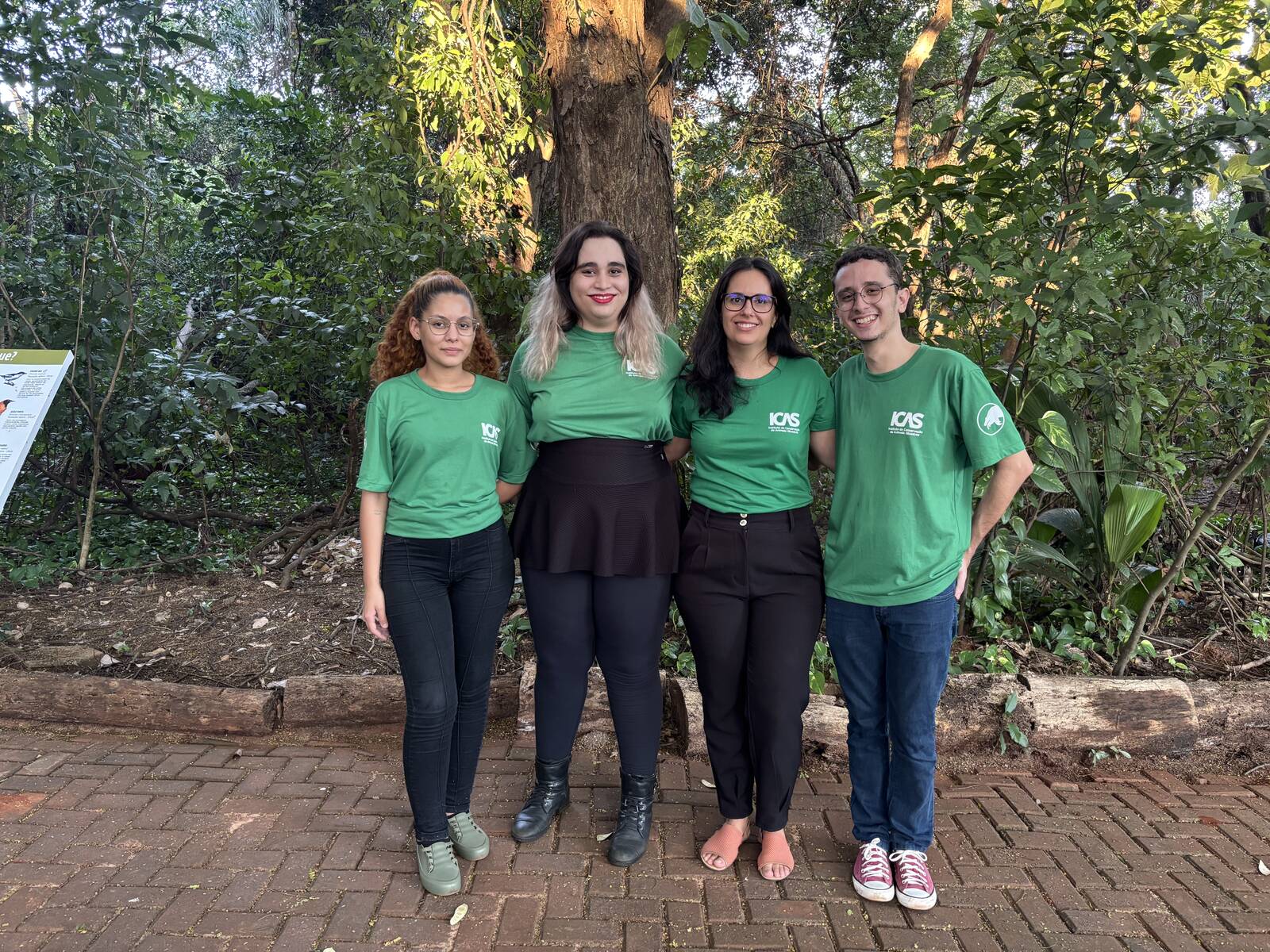
ICAS has structured and strengthened its education sector through the strategic support of Fubá Environmental Education, which has been involved, from the beginning, in the conceptual, methodological, and training development of the institute’s education team. This relationship came about through the work of Andréia Nasser—biologist, environmental educator, and one of Fubá’s co-founders—who coordinates ICAS’s educational initiatives, ensuring theoretical coherence, team integration, and alignment with the principles of Critical Environmental Education.
Fubá’s involvement in structuring the education department broadens ICAS’s reach, developing initiatives together with schools and communities, as well as facilitating training for educators, especially in the regions where projects for the Giant Armadillo Conservation Program and the Giant Anteater Conservation Program are implemented. This involvement ensures that the institute’s work is not limited to scientific studies but also acts as a valuable tool for social transformation and fosters greater public involvement in biodiversity conservation.
Through this coordination, ICAS’s environmental education department works to develop initiatives ranging from awareness campaigns together with the public to specific activities in schools and teacher training, always with the understanding that conserving biodiversity also involves caring for human relationships. This approach fosters behavioral changes, encourages practices that lead to harmonious coexistence between people and wild animals, and enhances a sense of belonging and participation in the different territories.
The integration between the education team and other sectors of ICAS, such as scientific research, veterinary medicine, biology, communication, and social sciences, ensures that educational messages and strategies are constructed in an interdisciplinary and coherent manner. This collaboration is essential for environmental education to truly be an effective conservation tool.
At ICAS, education means opening a space for dialogue, valuing local knowledge, and fostering mutual respect between humans and biodiversity. It is a commitment to transforming realities, in the certainty that protecting wildlife also means caring for the people and territories that share the same space.
Thus, environmental education remains an indispensable foundation for achieving solid and lasting conservation results, reinforcing ICAS’s commitment to broad, multidisciplinary, and integrated action that values the coexistence between people and wildlife. After all, conserving our wildlife is a collective undertaking, requiring combined efforts, knowledge, and diverse perspectives to ensure the effective and sustainable protection of biodiversity.
HELLO TEACHER
If you have a student who is part of the special education target group and need guidance or adaptations for our educational materials, please contact us at the email provided. This way, we can work together to find the best ways to adapt the materials and provide the necessary support.
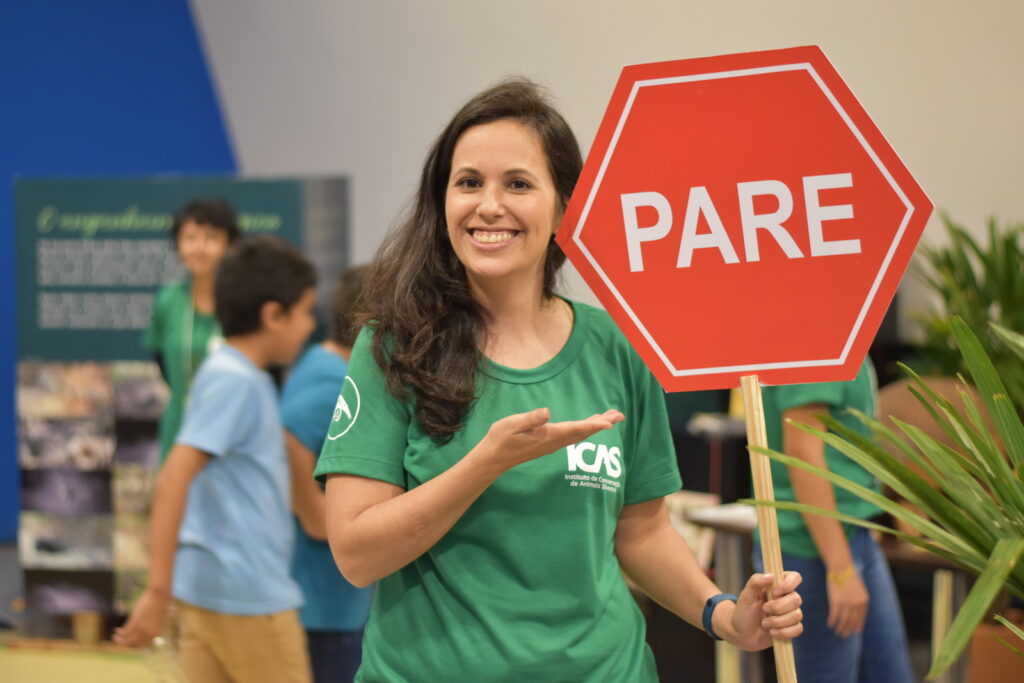
OUR GIANTS
Would you like to bring the Our Giants exhibition to your space or event? This ICAS exhibition highlights the importance of the giant armadillo and the giant anteater, connecting the public to conservation through environmental education. Get in touch with us and help share this experience with more people.
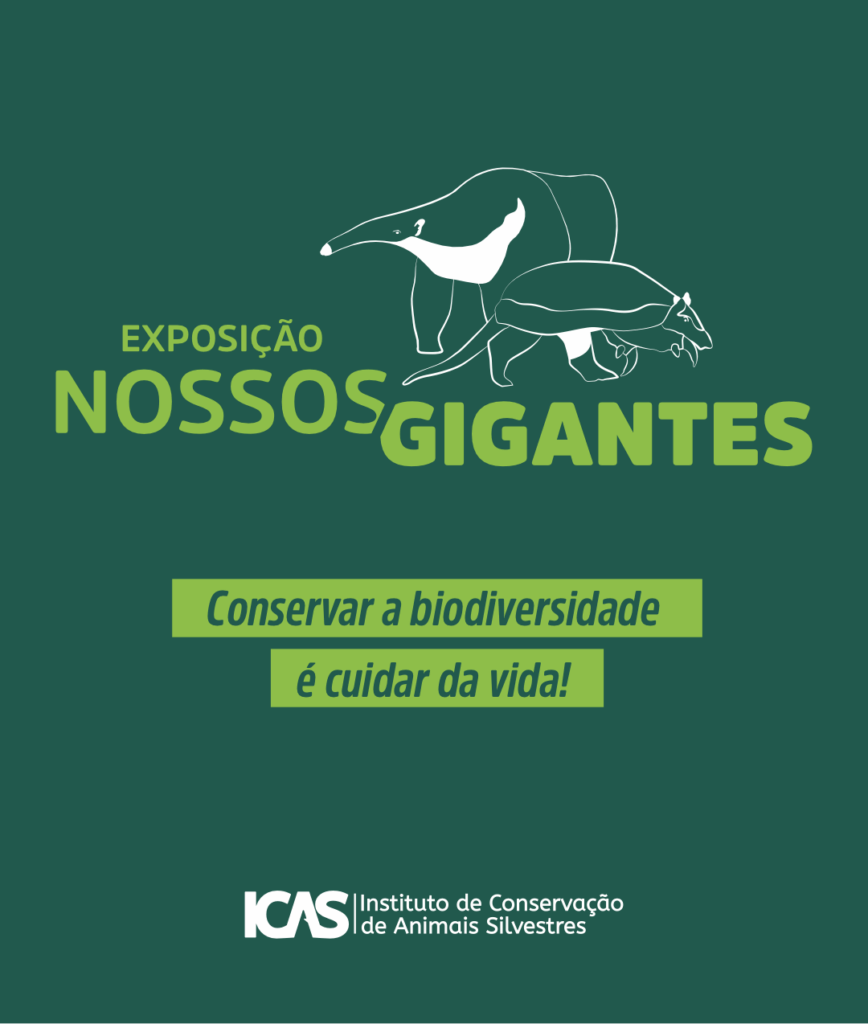
What is the Our Giants Exhibition?
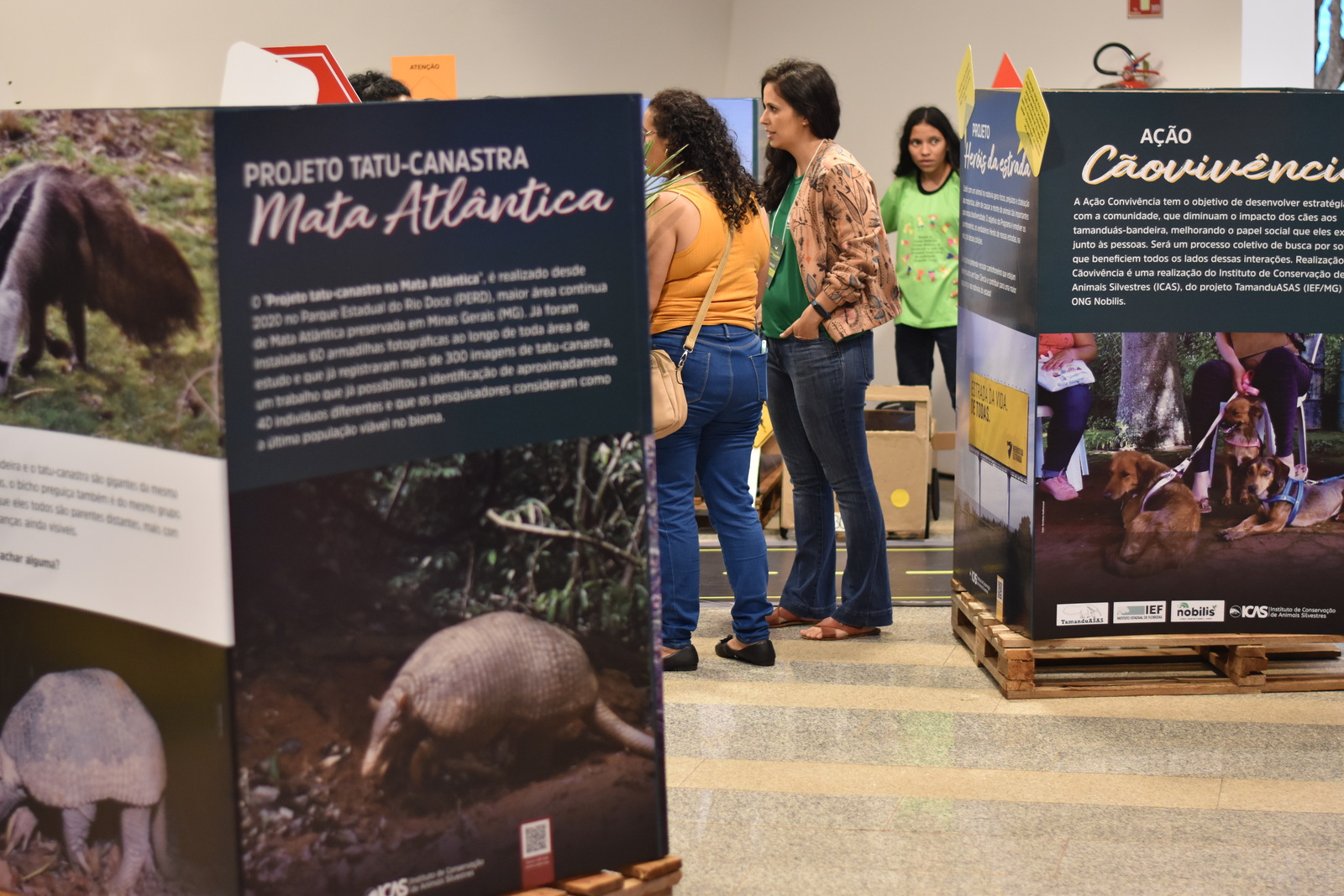
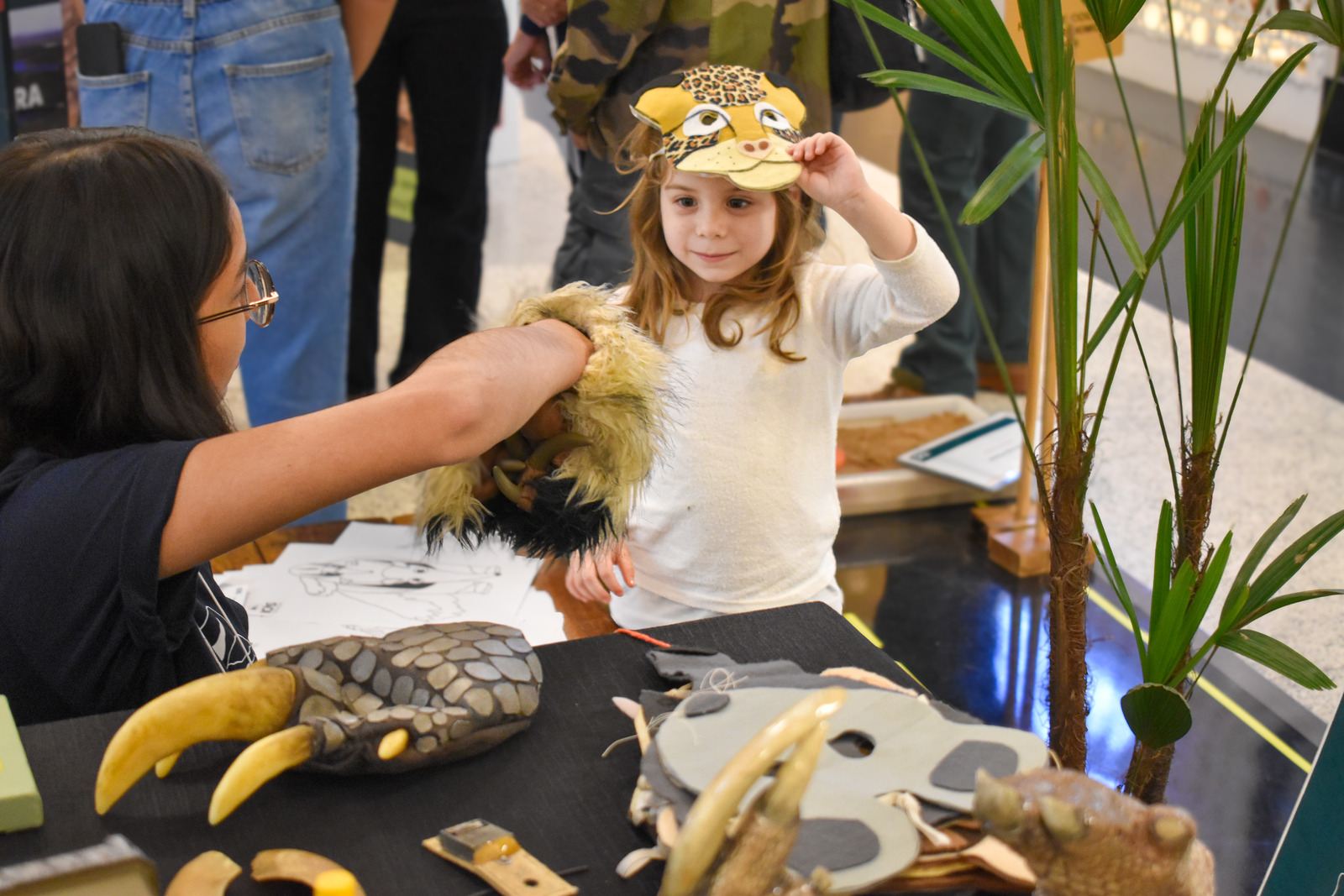
The Our Giants exhibition is an initiative by ICAS that aims to connect the public with Brazil’s biodiversity—especially threatened species—through the stories of the giant armadillo and the giant anteater. The exhibit features life-sized models, footprints, replicas, and educational panels, offering an immersive experience that highlights both their ecological importance and the challenges they face.
Usually held in public spaces such as shopping centers, the exhibition is free, accessible, and designed for all ages, especially families and children. Its goal is to inspire reflection and promote environmental education in an interactive and engaging way.
- Main theme: Giant armadillo and giant anteater — two giants of Brazilian fauna.
- Format: Exhibition featuring life-sized replicas, footprints, and educational panels.
- Objective: To raise public awareness about the conservation of these species through environmental education.
- Access: Free, accessible, and open to an engaged and curious audience.
VIDEO
MATERIAIS EDUCATIVOS
Organizamos atividades e materiais pelas fases do ensino escolar, para facilitar o trabalho dos educadores, que podem usá-los ou adaptá-los com novas propostas de acordo com seus contextos.