Product certified by the Armadillos and Honey Project reinforces the link between conservation and economic development
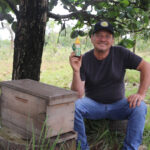
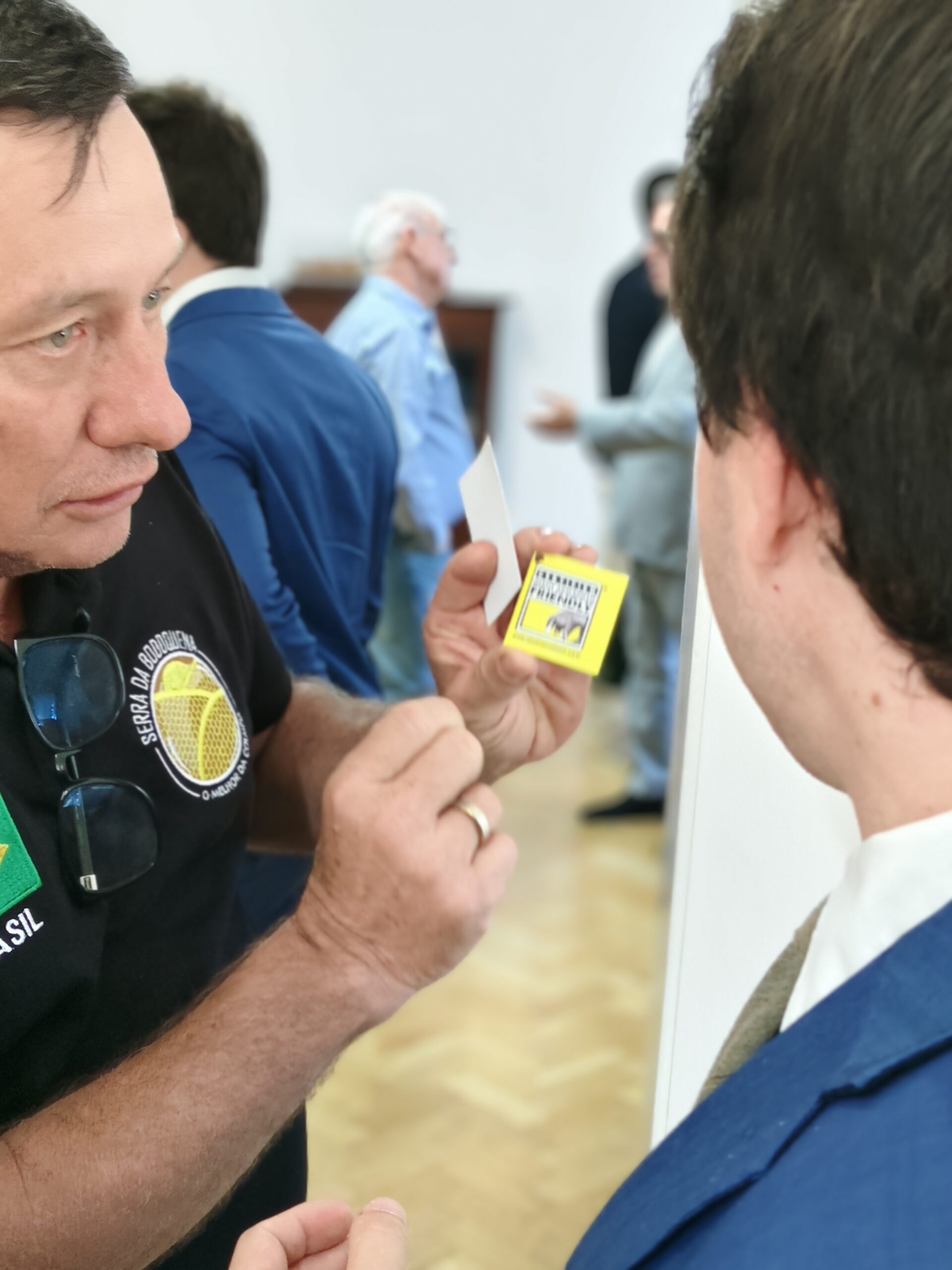
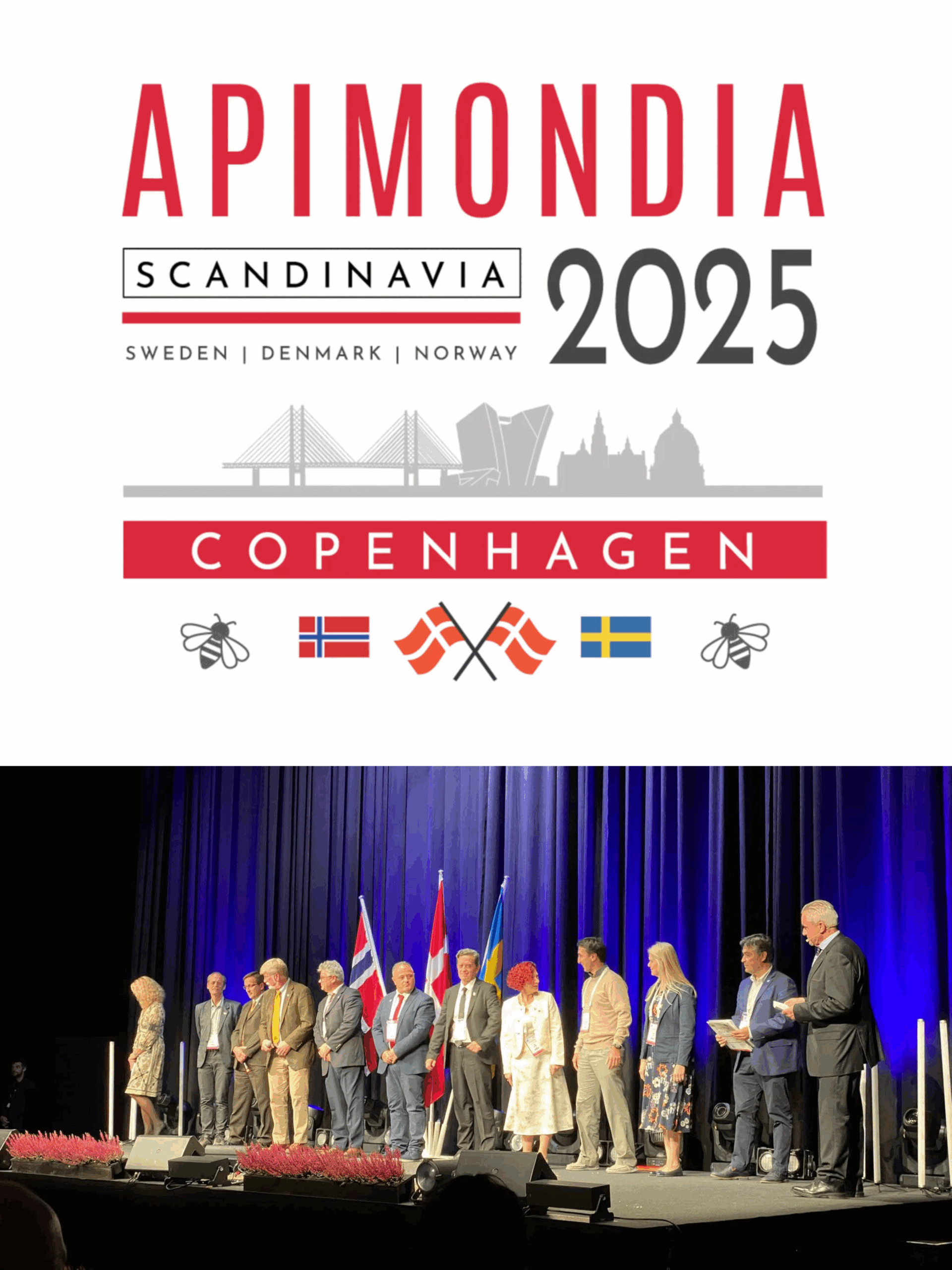
The Armadillos and Honey Project, an initiative of the Wild Animal Conservation Institute (ICAS), took part in APIMONDIA 2025, held in Copenhagen, Denmark—the world’s largest beekeeping event. Representing Brazil and the Cerrado, beekeeper Adriano Adames, a project partner and owner of the Serra da Bodoquena Apiary (Apiário Serra da Bodoquena), spoke about the honey produced with “Giant Armadillo-Friendly” certification. This seal recognizes producers committed to sustainable practices and harmonious coexistence with biodiversity.
For Arnaud Desbiez, president and founder of ICAS, having a product internationally certified as Giant Armadillo-Friendly at an event of this magnitude not only brings value to the work developed in the Cerrado, but also paves the way for other beekeepers to understand that it is possible to coexist with wildlife while simultaneously conquering international markets.
“The Cerrado is an extremely fragmented biome, and the coexistence of production and conservation is urgent. This international visibility is a historic milestone and reinforces that our biodiversity giant, the giant armadillo, can be a positive symbol for the market and for society,” Arnaud emphasized.
During the conference, Adriano participated in nine business round tables and sparked the interest of three international companies, signaling potential exports for certified honey. According to him, certification was crucial in attracting buyers’ attention:
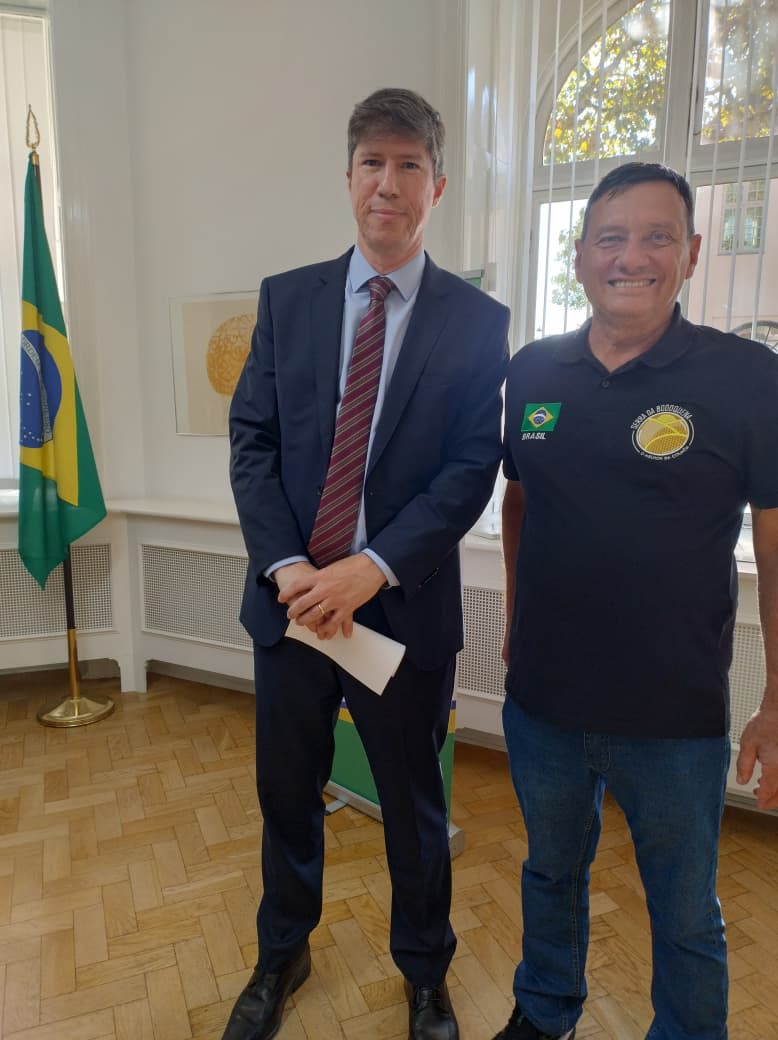
“The Brazilian ambassador to Denmark, Leonardo Luís Gorgulho Nogueira Fernandes, highlighted in his speech that the world is increasingly seeking more environmentally responsible and sustainable products. When I presented our project, the secretary asked to use it as an example and even requested more promotional materials. This demonstrates the strength of our initiative and how the Giant Armadillo-Friendlyseal can open doors,” affirmed the beekeeper.
Adriano points out that producing certified honey involves higher costs, as apiaries must be fenced and protected, ensuring safe and secure coexistence with the giant armadillo. Even so, international companies demonstrated a willingness to pay a higher price, precisely because of their social and environmental commitment:
“Our honey isn’t priced the same as our competitors’ because responsible production costs more. But they really welcomed this, understood its importance, and demonstrated genuine interest. If this export succeeds, it will be a victory not only for my apiary, but for the entire chain of producers who partner with the project. We will be able to pay beekeepers better and further strengthen this conservation network,” Adriano highlighted.
APIMONDIA takes place every two years and brings together specialists, companies, and producers from this sector in different countries. The next edition will be in Dubai in 2027. For Adriano, this step taken in Denmark was historic:
“It was the first time we were able to showcase our internationally certified honey at an event of this magnitude. This gives us visibility, opens up markets, and, most importantly, reinforces that preserving the giant armadillo is also an opportunity for sustainable development for the entire community.”
With initiatives like this, ICAS and its partners demonstrate that it is possible to transform challenges into opportunities, creating solutions that combine conservation, income generation, and the appreciation of Brazilian biodiversity.
Armadillos and Honey Project
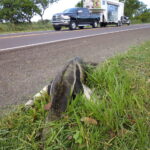
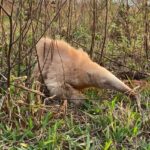
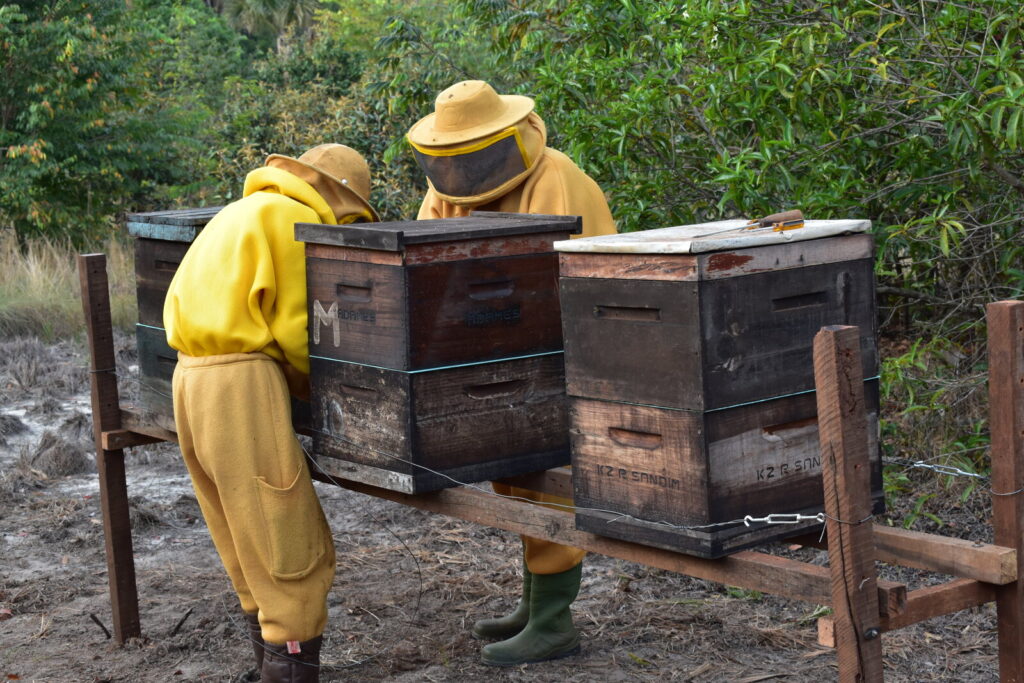
The Armadillos and Honey Project began in 2015 based on research on the giant armadillo in the Cerrado region of Mato Grosso do Sul and quickly became a pioneering conservation and sustainable beekeeping initiative. During field studies, an unusual conflict was identified: giant armadillos, threatened with extinction, started knocking over beehives in search of food, especially in areas of native vegetation where beekeepers set up their apiaries. To reduce losses and promote peaceful coexistence, the project developed strategies such as the “Guide to Coexistence between Beekeepers and Giant Armadillos” (Guia de Convivência entre Apicultores e Tatus-Canastra), proposing accessible and effective solutions, including fencing and elevated stands, while always respecting the local wildlife.
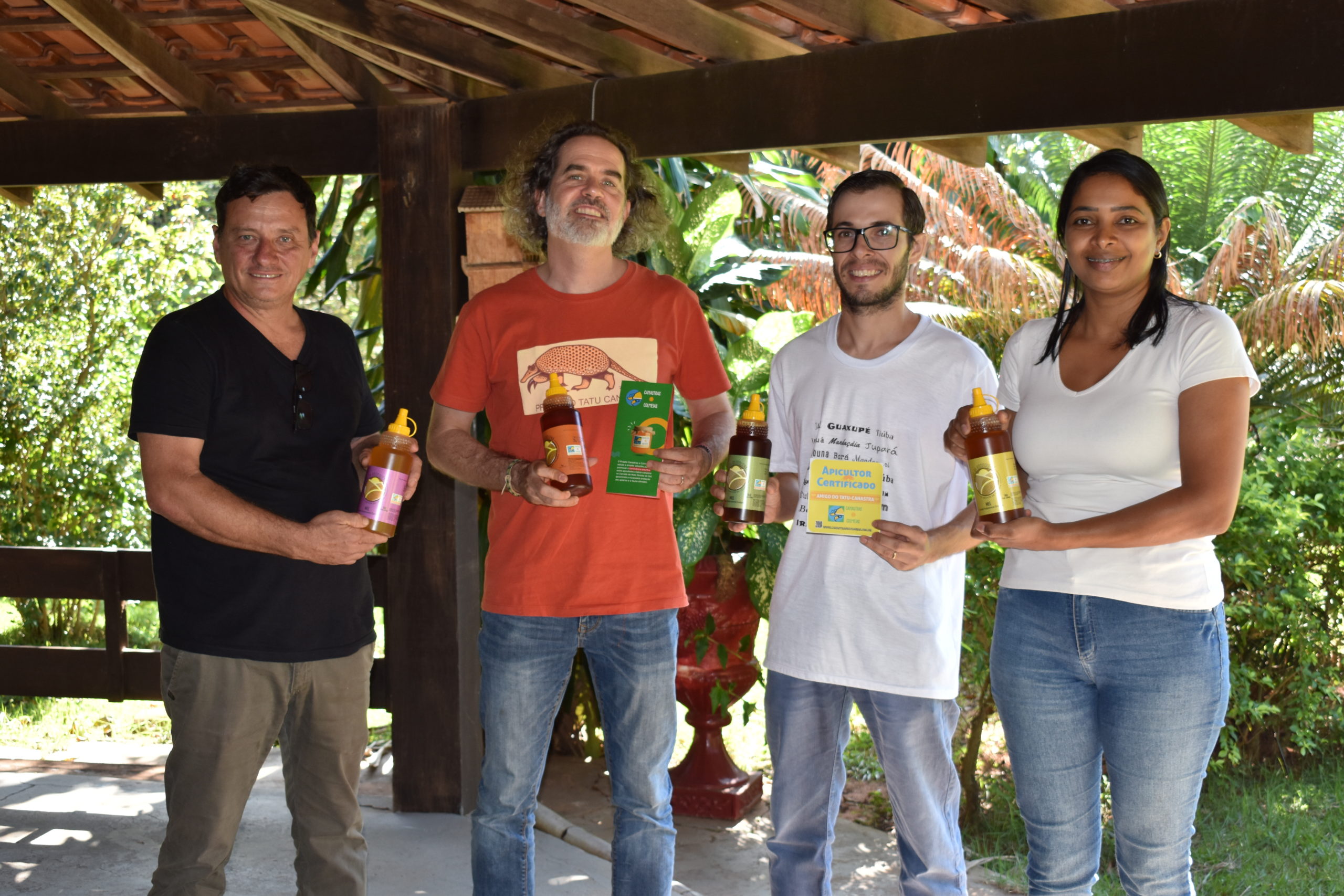
In addition to mitigating conflicts, the project began to recognize and support beekeepers who adopt sustainable practices, creating the Giant Armadillo-Friendly seal and the Rainhas (or “Queens”) Program, along with stimulating the creative economy through workshops and fairs. Today, it brings together approximately 100 certified beekeepers and already operates in four states—Mato Grosso do Sul, Goiás, Minas Gerais, and Pará—strengthening not only beekeeping, but also giant armadillo conservation. By choosing certified products, consumers help protect this biodiversity giant and encourage a production model that aligns environmental conservation and socioeconomic development.