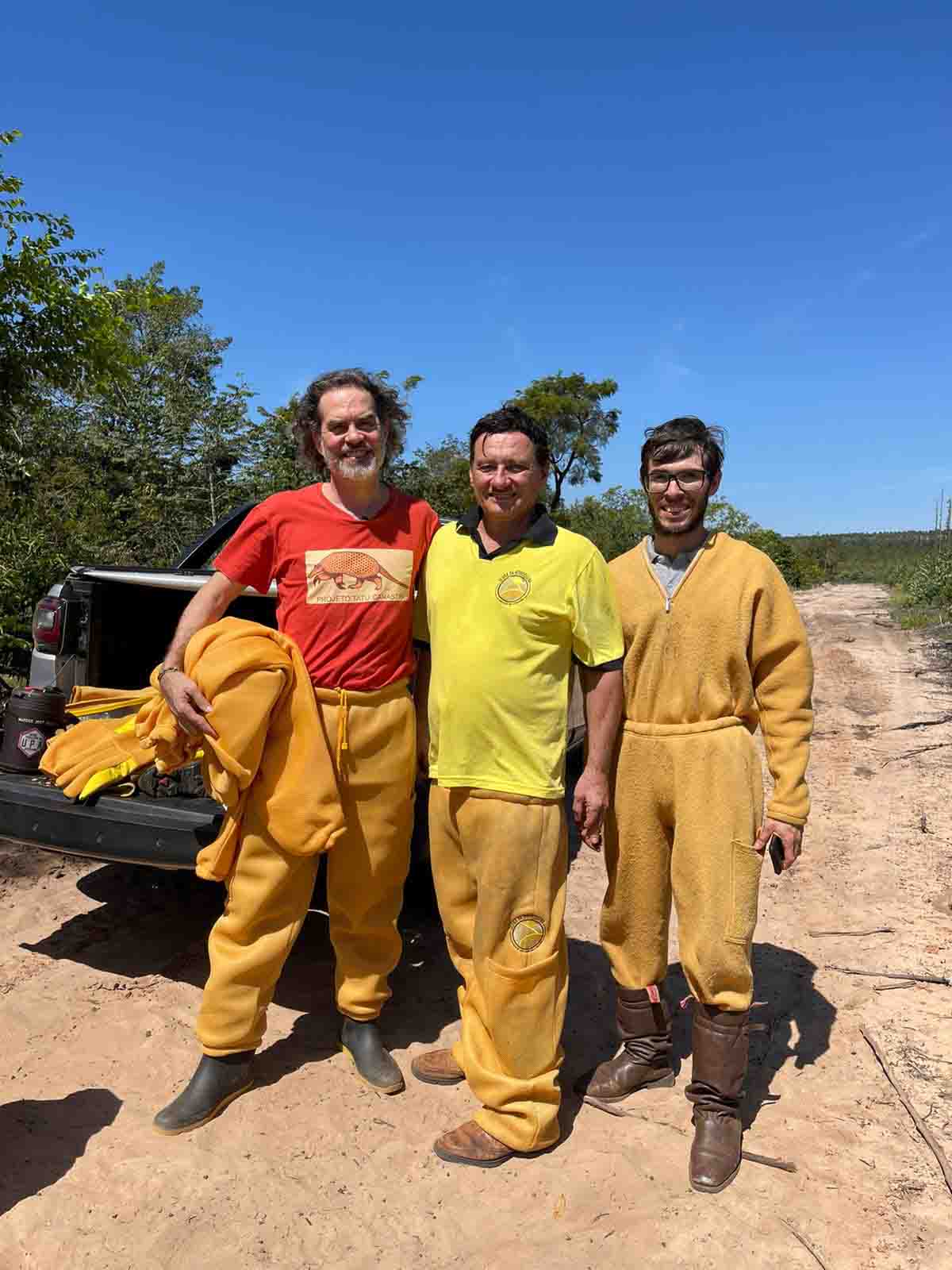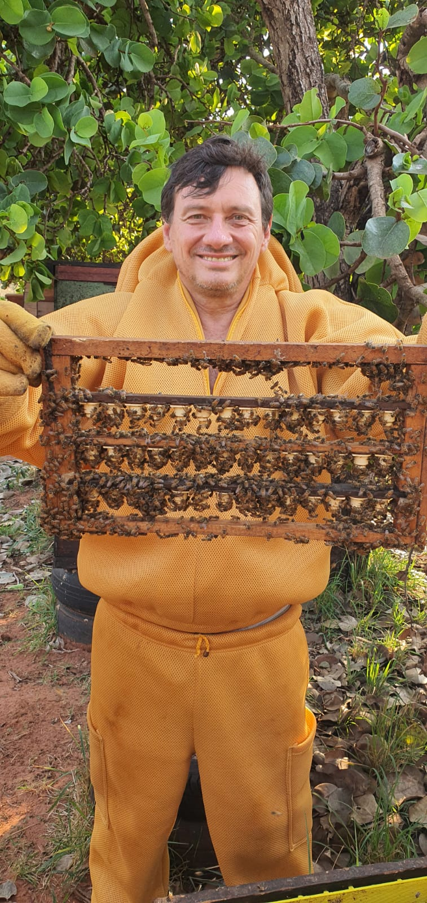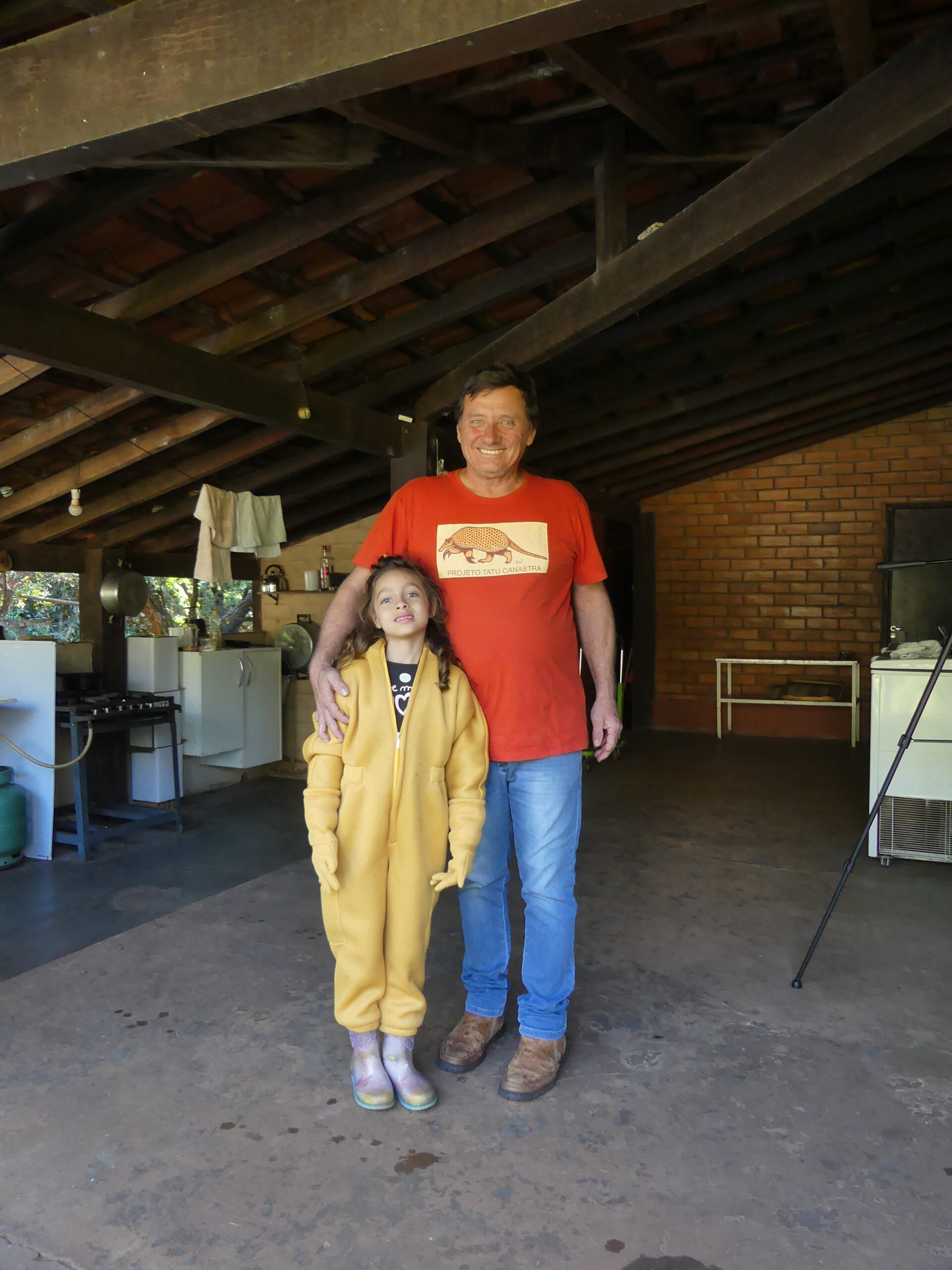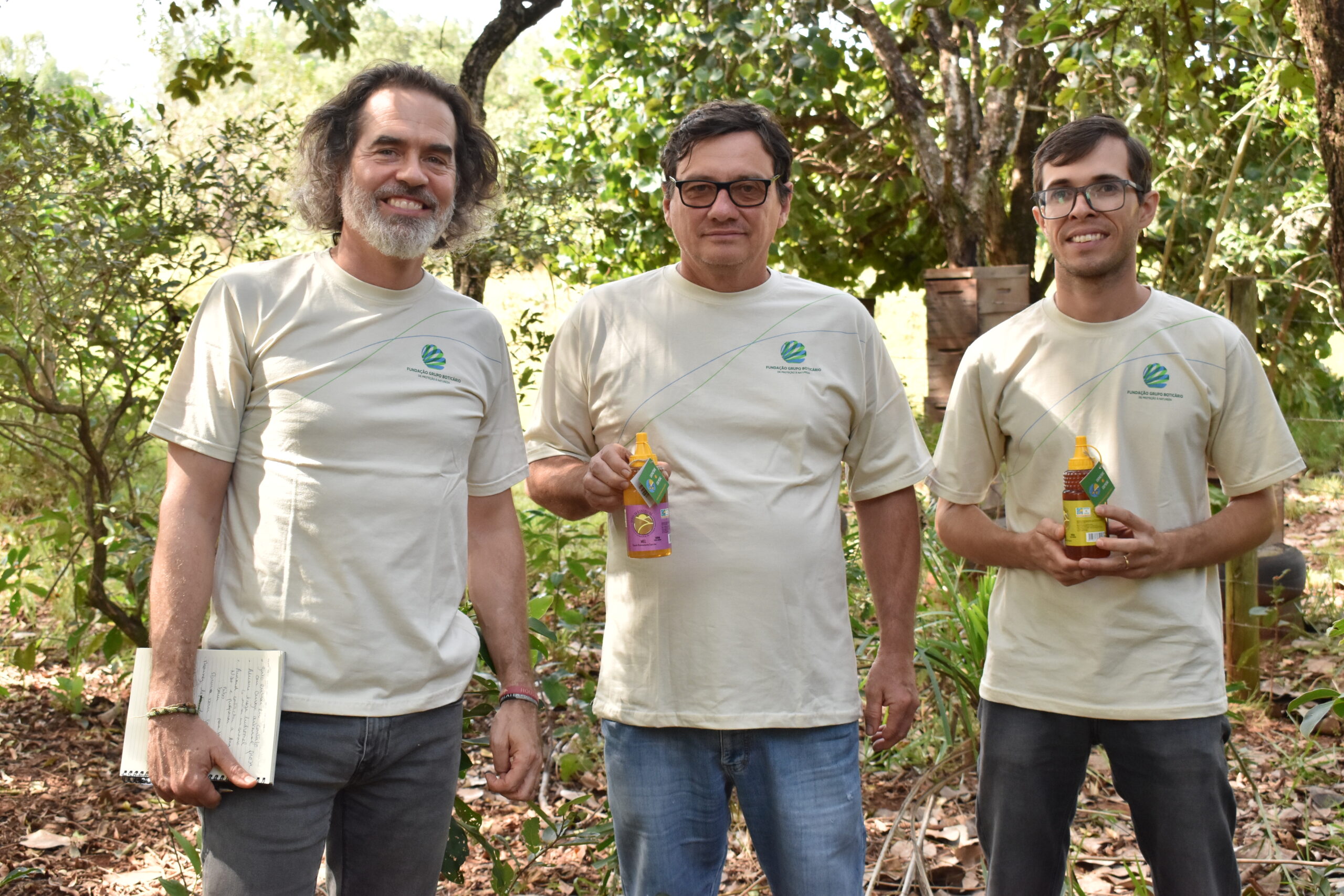
What does the world’s largest armadillo have to do with the honey market in Brazil and abroad? And what is the connection between a cave in Serra da Bodoquena (Brazil) and beekeeping? This all relates to the story of Adriano Adames de Souza, a honey producer with over thirty years of experience with bees. He is now a national leader in honey production and has become one of the main partners of the Armadillos & Honey project.
Adriano was born in Jardim, Mato Grosso do Sul, and began his career in tourism in the Serra da Bodoquena region, where he was a guide and cave diver. At the time, he worked at Buraco das Abelhas (or “Bee Hole” in English): a natural cave that bees, since they need to drink a lot of water to produce honey, visited during the dry season, a phenomenon that gave the cave its name. Tourists always asked about the bees and their honey. This interest fueled Adriano’s determination to work in beekeeping.
He started studying, became a professional, and today serves as a reference in hive productivity, as well as a reference in sustainability and preservation. With his decision to fly the Armadillos and Honey flag, he is now ICAS’s most longstanding partner in this endeavor.
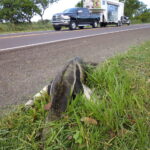
It’s been a long road: Adriano recalls that he once visited a farm where a giant armadillo had been captured and killed in retaliation for their lost hives—a single beehive can cost over two hundred reais (37 USD), and armadillos break them open to eat the larvae, causing enormous losses for honey producers. It’s a struggle for survival in which both parties involved can end up hurt: the armadillo, which breaks open beehives, not out of malice, but because it is a large animal that feeds almost exclusively on insects. The giant armadillo is the largest armadillo in the world, and in some places can weigh over 50 kg. This giant walks several kilometers a night in search of food, and in its wanderings, it may “stumble upon” an apiary, unaware that the beekeepers depend on the income from these hives. Adriano, however, with his roots in tourism and nature conservation, was dismayed by the animal’s death: “Since I started beekeeping, I haven’t even killed a snake,” he says. Later, when he suffered his own losses from the armadillo in a Cerrado region where he placed his beehives, he says a local farmer even asked why he didn’t just kill the animal, but Adriano was determined to find an alternative to coexist with the giant armadillo.
Giant armadillos knock over beehives, so to prevent this, Adriano fenced off the apiary with mesh, but the armadillo learned: it dug into the ground and passed under it. Adriano then took more drastic measures: he built a low wall to enclose the production area both above and below ground, and after that, the armadillo couldn’t get to the other side anymore. These efforts, however, aren’t cheap and require logistical effort. Many producers need to move their hives frequently, while others lack the resources to fence their apiaries in this way and need to innovate mitigation methods.
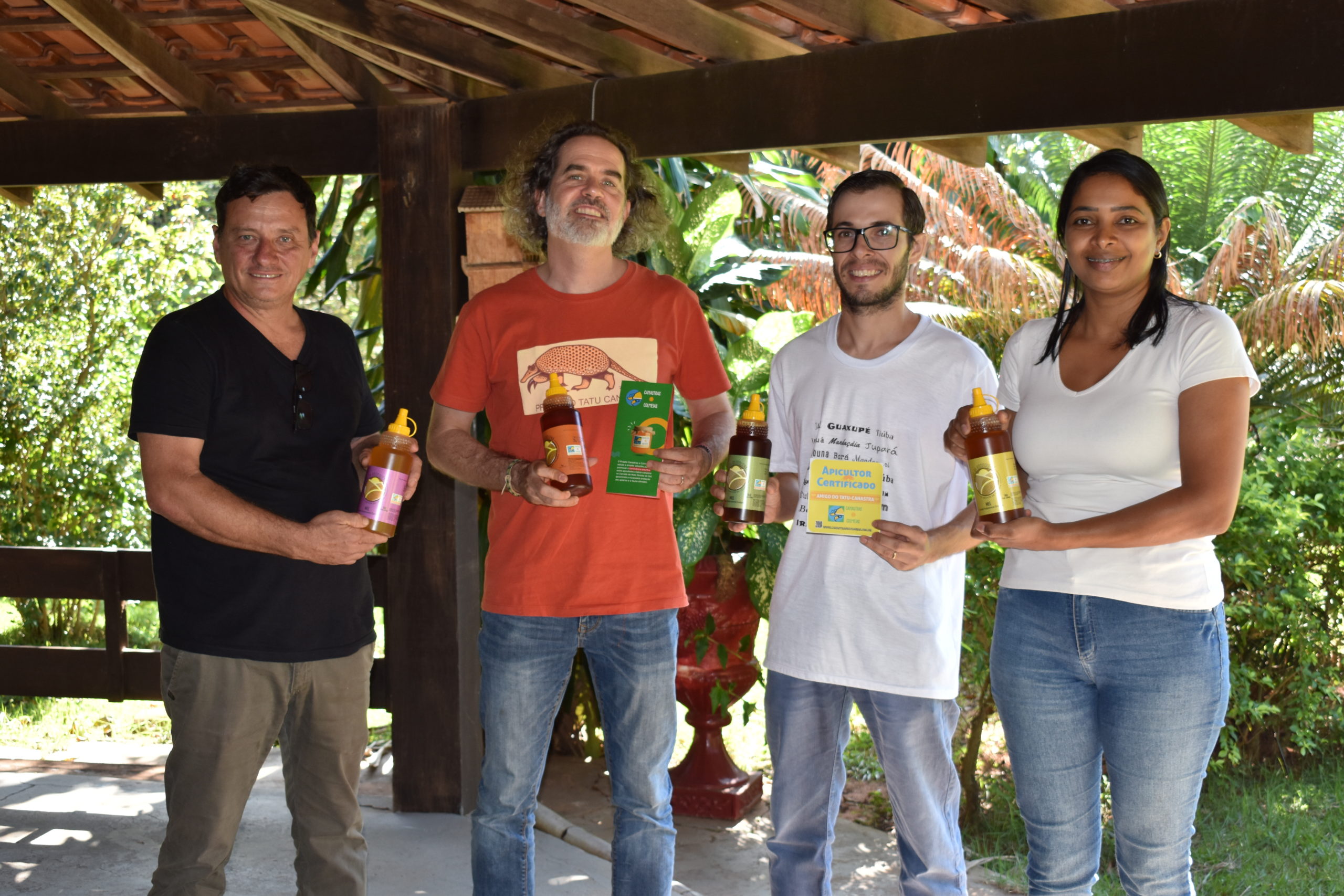
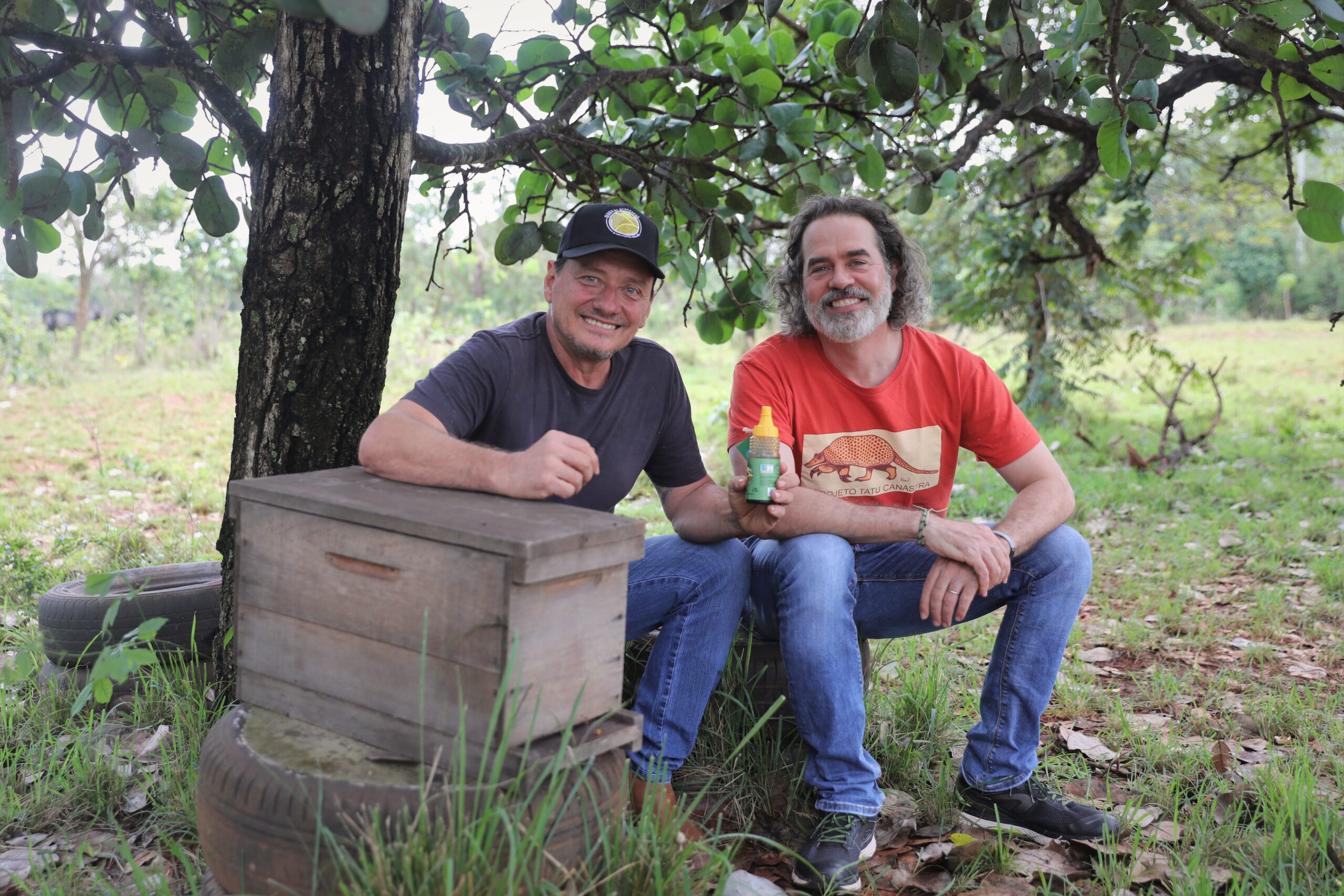
This is why Adriano, an Armadillos & Honey partner for over five years, has worked to ensure that coexistence between honey producers and giant armadillos is not only possible but beneficial for everyone. Through his honey warehouses, Adriano helps small producers reach a broader market, and the Armadillos & Honey sustainability seal helps Adriano and his partners reach specialized markets: “Nowadays, there are people willing to pay for the sake of conservation,” Adriano argues.
This beekeeper is also responsible for the Rainhas (or “Queens” in English) Project, which produces genetically selected queen bees and donates them to small-scale producers. The idea, according to Adriano, is to replace lost hives: with one queen, a beekeeper can split a hive and make two, thus mitigating potential losses to the armadillo. The most recent goal of the Rainhas Project is to expand to the state of Pará, where the armadillo is even larger: while in Mato Grosso do Sul the stands that elevate the beehives beyond the animal’s reach average 1.3 meters (about four feet) in height, in Pará they need to be over 1.5 meters (about five feet) tall.
“It’s not the way we want it; it’s the way it has to be,” he says, referring to the long journey of producing sustainable, certified honey that—perhaps in the near future—can reach international markets. But “any journey begins with the first step, no matter how long, it starts with the first step,” he asserts. Today, thanks to his professionalism and dedication, Adriano is a leading figure not only in the state of Mato Grosso do Sul, with his “Serra da Bodoquena” honey, but also throughout Brazil. He travels the country, participating in conferences and lectures where producers share technical and practical knowledge.
“Before, they paid me to give lectures. Today, I’m giving them for free to talk about the giant armadillo,” he recounts. And so, with a great deal of perseverance and professionalism, Adriano continues to grow and become an example of business and sustainability in the world of honey.